Introduction: The Middle East’s Strategic Role in Global Trade
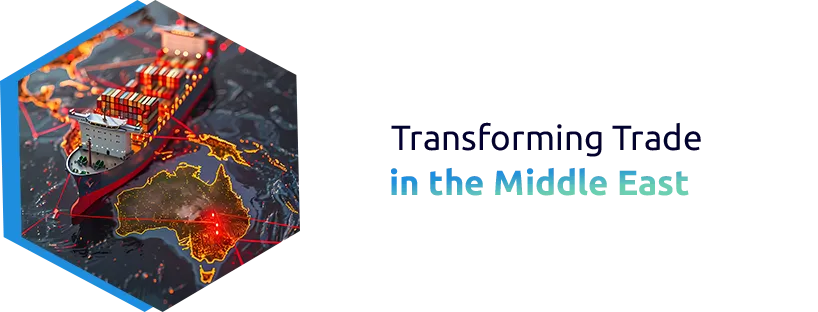
Ever watch a map of global shipping routes? The Middle East stands out as a busy crossroads—almost everything seems to pass through here. It’s not just a shortcut between continents, but it has become the heartbeat of international trade. Over the last decade, the region has poured resources into its ports, airports, and highways. The result? It’s now easier than ever to get aviation equipment, car parts, IT hardware, or medical devices where they need to go. For businesses, this means new markets are suddenly within reach, and the old headaches of shipping delays are fading fast.
How Middle East Logistics Hubs Simplify Equipment Transportation
Let’s be real, shipping valuable equipment used to feel like a gamble. Would it arrive on time? Would it get stuck in customs? Would it even arrive in one piece? Those worries are fading in the Middle East. New logistics hubs and free trade zones have changed the rules. These places are built for speed and reliability. Whether you’re sending a single server or an entire shipment of medical devices, the process is far less stressful. The paperwork is lighter, the communication is better, and your equipment is handled with real care.
What’s different now? For starters, logistics teams here actually get the needs of modern business. They use advanced tracking, climate-controlled storage, and have people who know how to handle sensitive shipments. You’re not just another number in the system—your cargo matters.
Which Industries Benefit the Most from Middle East Trade Networks?
The Middle East’s advanced logistics hubs and trade networks support a wide range of industries that rely on reliable cross-border transportation. Aviation companies move aircraft components more efficiently, while healthcare organizations benefit from faster delivery of medical equipment. The IT & telecom sectors use these networks to transport servers, networking devices, & data center infrastructure. Automotive manufacturers also rely on the region for the timely movement of parts and components, helping maintain efficient global supply chains
Important Hubs: The Place of Action
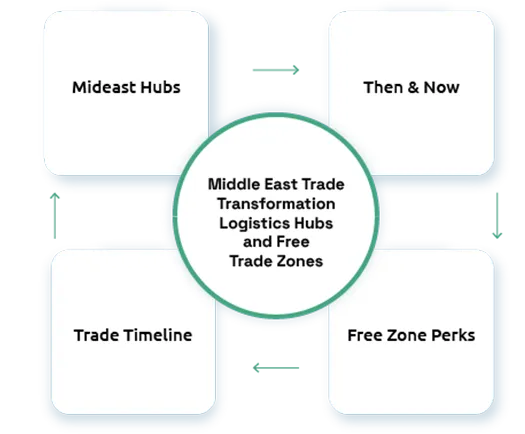
The Middle East has some destinations that have become legends in logistics. Port Jebel Ali in Dubai is one of the busiest ports in the world and is known as a fast and connection-based port. The Khalifa Zone of Abu Dhabi is another popular one, particularly among businesses whose requirements are complicated or those that engage in enormous shipments. Sharjah is another great choice when you are tight on the budget. The Hamriyah Free Zone in Sharjah is convenient, has good infrastructure, and has low prices.
Air cargo is an afterthought, too. The Dubai International Airport and Hamad International in Doha are among the airports you can rely on even when in urgent need. These interchange points are not mere dots on the map but the speeding engines of trade in the region and a wider perimeter.
Primary Service Benefits & Features
There is a game changer for the involved skill logistics team in the Middle East. You are provided a quick shipping service via sea, air, and land. Free trade zones imply lower taxes and lower paperwork, so there is something you can constantly do with your business. The warehouses are also new, well-secured, and climate-controlled, which is great if one has sensitive equipment.
You do not have to be left in the dark as well. Real-time tracking can inform you of everything about your shipment at each point. What about the staff? They do all the awkward stuff, from customs entry to safe loading. The conclusion is less stress, more control, and a better experience.
These advantages make the Middle East a strategic hub for global equipment movement. Businesses benefit from faster transit times and smoother cross-border operations. Expert logistics support reduces risks related to delays, damage, and compliance issues. As a result, companies can scale their operations with confidence and efficiency.
The Economic Impact: Visible Growth
It is not only large businesses that benefit from the emergence of logistics centers and free trade zones. It has been providing employment, generating investment, and assisting local businesses in expanding. Since increased demand for advanced equipment, local suppliers are acquiring new skills and working on superior technology. Emphasis on sustainability and digital solutions is making the Middle East a model for the world in terms of trade leadership.
In the case of companies, it implies more options, more favorable prices, and the possibility to enter a rapidly developing market. The advantages spill over and help small and big industries and manufacturers.
Conclusion
The Middle East is no longer a mere crossroads, as it has become a trading powerhouse. The region boasts world-class hubs with the best logistics and free trade zones, surpassing world records in speed, reliability, and business-friendly service. This revolution creates opportunities for businesses exporting aviation, automotive, IT, or medical equipment, and an additional economic boost and innovative inspiration to the local market. To companies, the benefits are simple: efficient customs, reduced expenses, and availability of state-of-the-art storage and transportation. The region is also concerned with digitalization and sustainability, ensuring that your shipments are in safe hands and served efficiently. Rules are becoming less complex, and professional assistance is approaching.
Going further, the adverse effects of technology acceptance in the Middle East, such as AI tracking, smart warehouses, and green logistics, will carry an even greater promise. The companies that join it now will be prepared to enter new markets, promptly adjust to customer demands, and outsmart their competitors. We are at One Union Solutions, as we understand the nooks and crannies of this landscape. Our role is to ensure that you enjoy the full potential of the dynamic trade environment in the Middle East by managing the flow of your equipment and maintaining your business at enhanced growth.
Did You Know?
Almost three-quarters of the Middle East’s data center power is concentrated in just three countries—the UAE, Saudi Arabia, and Turkey. That’s one reason the digital economy here is growing so fast.
FAQs
Why are Middle Eastern logistics hubs ideal for shipping equipment?
They offer advanced infrastructure, strategic locations, and fast customs processes, allowing equipment to move quickly and securely.
What are the benefits of free trade zones in the region?
Free trade zones provide tax incentives, reduced paperwork, and greater operational flexibility for businesses.
Can sensitive equipment be stored safely in these hubs?
Yes, major logistics hubs provide climate-controlled facilities and secure handling for fragile and high-value equipment.
How do Middle East logistics hubs simplify customs clearance?
Modern logistics hubs streamline customs procedures through digital documentation, experienced customs teams, & effective clearance processes, helping minimize shipment delays
Why are businesses choosing the Middle East for regional distribution?
Businesses select the Middle East for its key location, advanced logistics network, free trade zones, & effective connections to markets in Europe, Asia, & Africa. These advantages help improve supply chain efficiency & support faster regional logistics.