Artificial intelligence in the modernization of logistics
Artificial intelligence is no longer simply a futuristic speculation. It is already changing logistics & how it operates. It assists in speeding up the supply chains, refining shipping patterns, and controlling complaints smartly. Three-Stop Customs Clearance, tariff calculation, and importer duties are complex tasks executed more accurately using automation and predictive tools. This helps simplify businesses and track the changing regulations, such as Incoterms, or handle the delivery duty paid (DDP) shipments.
Improving Operational Efficiency through AI Automation
In logistical operations, speed, correctness, & compliance matter the most. Manual steps used to cause slowdowns & mistakes, such as wrong HS codes or mismanaged DAP shipping. Now, AI automates many processes. It sorts airway bills in real time and tracks customs duties efficiently. AI platforms also monitor importer of record numbers, filings, and customs broker paperwork. It reduces errors, saves time, & helps shipments move smoothly, and builds trust in compliance.
AI also supports predictive decision-making in logistics. By analyzing past shipment data and trade patterns, it can flag potential delays, compliance risks, or cost overruns before they occur. This allows logistics teams to take early action, improve planning, and maintain consistent delivery timelines while meeting regulatory requirements.
Predictive Analytics by AI to Make Better Decisions
Only good logistics are made through intelligent planning. Artificial intelligence enables predictive analytics to predict demand trends and shipping disruptions more accurately than anyone would have thought. Companies can plan rather than act after it takes place. Identifies tariff changes and assists in classifying products in accordance with harmonized tariff rules. The insights enhance the trade lanes, port congestion, and landing costs decisions. It is also helpful in providing an equilibrium between the exporter and importer roles and fulfilling the exporter of record obligations.
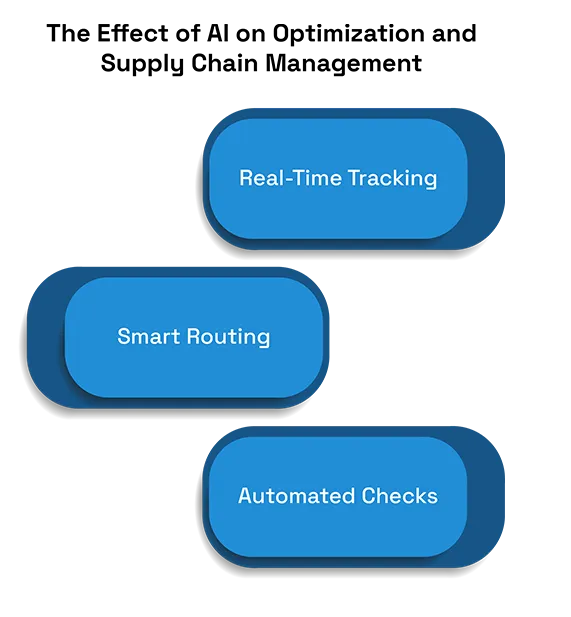
The Effect of AI on Optimization and Supply Chain Management
Supply chain processes can be complicated, particularly when export and import regulations are incorporated across nations. AI fills in those gaps by offering real-time tracking and smart routing. Whether it’s urgent aviation cargo or sensitive IT equipment like 3-phase power modules, AI closely monitors every stage. Automated checks for ECCN codes and digital filing of DDP forms reduce customs hold-ups. These improvements save money and make supply chains smarter and more efficient.
Revolutionizing Customer Experience through Personalized Services
Today’s customers want more than just delivery on time. They want clear communication and personalized service. AI delivers this with tailored dashboards, automated updates, and options to change shipments in real time. For example, it clarifies “what does importer mean” by estimating landed costs and compliance needs. AI also helps separate the importer of record duties from the exporter responsibilities. This improved transparency builds trust and boosts satisfaction with deliveries of aviation, IT, automobile, and medical equipment.
The Future of Logistics: Emerging Trends and Innovations in AI Technology
AI in logistics has only just begun. New technologies like route optimization, digital twins, and blockchain are making trade easier. Governments are updating rules around who qualifies as an importer and refining systems like the generalized system of preferences. As AI improves, it will help businesses, especially in developing countries, manage complicated tariffs and better understand importer and exporter roles. AI will also spot risks like demurrage fees, improve handling of less-than-truckload shipments, and simplify DAP incoterm compliance.
Market Insights
Recent studies show logistics is rapidly changing thanks to digital tools. AI is also projected to reduce operational expenses by about 15% by 2030. Government statistics also show increased requirements for smooth customs clearance, especially for high-technology equipment and sophisticated machine goods. AI’s growing role in analyzing importer and exporter trends is vital for countries wanting to reduce port delays and speed up clearance. This proves AI is no longer optional—it is key to efficient and compliant global logistics.
Embracing AI for a Competitive Edge in the Logistics Sector
Moving forward, AI is not only making the processes of logistics more seamless; it is transforming the manner in which international trade happens altogether. By making importer record compliance a breeze, AI brings visibility, compliance, and efficiency to supply chains by improving exporter record analytics. The combination of automation, foresight, and the individual approach toward customers can allow businesses to meet the global business standards and reduce risks and costs simultaneously. At One Union Solutions, we utilize an AI-driven logistics strategy as a leader in providing smarter, faster, and compliant solutions in aviation, automobile, medical, and IT equipment. This commitment enables clients to remain competitive in a high-paced market.
Did You Know,
Customs compliance systems using AI are reducing IT and aviation equipment shipments clearance by up to 30%, eliminating expensive delays.
FAQs
Q1: When is an Importer of Record required?
An Importer of Record is required whenever goods cross international borders.
They ensure all customs, tax, and regulatory rules are met.
Q2: What risks does an Importer of Record handle?
They manage risks related to incorrect documentation, duties, and compliance.
This helps prevent shipment delays, fines, or legal issues.
Q3: Can a third party act as the Importer of Record?
Yes, businesses can appoint a licensed third-party Importer of Record.
This is common when entering new or complex markets.
Q4: How does technology support Importer of Record compliance?
Technology improves accuracy by automating data checks and filings.
It also helps track regulations and reduce human errors.
Q5: What happens if the Importer of Record details are incorrect?
Incorrect details can lead to customs holds or penalties.
In severe cases, goods may be seized or returned.