Rising Healthcare Protectionism: A Growing Challenge for Global Medical Supply Chains
In recent years, global healthcare systems have faced unprecedented pressure from pandemics, geopolitical tensions, and widespread supply chain disruptions. These crises have exposed a critical reality no country is entirely self-sufficient when it comes to medical technologies and essential healthcare equipment. From advanced diagnostic devices to life-saving ventilators, nations depend heavily on interconnected global supply chains to meet their healthcare demands.
As a response to these vulnerabilities many governments have taken steps to secure access to medical supplies in their countries. They have imposed export restrictions, tariffs and stockpiled medical supplies during emergencies. These actions are meant to protect populations but they also cause problems in global markets. Many countries are now stockpiling supplies to ensure they have enough. These protective measures have become more common during times of crisis.
The move to healthcare protectionism is a problem for trade around the world. It is good that we do something about emergencies and when we do not have supplies. It also causes problems because things do not get to where they need to go on time. This makes it hard to know what will happen with trade between countries. It also puts pressure on healthcare industries that need to get medical technologies quickly. Healthcare protectionism is an issue because it affects the flow of goods and healthcare industries that rely on medical technologies.
Understanding Healthcare Protectionism in Global Trade
Healthcare protectionism refers to government actions that restrict the export or control the distribution of critical medical goods to prioritize domestic needs. In times of crisis or supply uncertainty, countries often implement measures such as export bans, tariffs, quotas, and licensing requirements to ensure sufficient availability of essential medical devices, and healthcare equipment within their borders. These restrictions are typically driven by concerns over domestic shortages, rising demand during emergencies, and political pressure to safeguard public health systems. While these policies can give some stability for a time in a country they also affect how goods move around the world. They do this by making it hard for other countries to get medical technologies, especially for countries that rely a lot on imports.
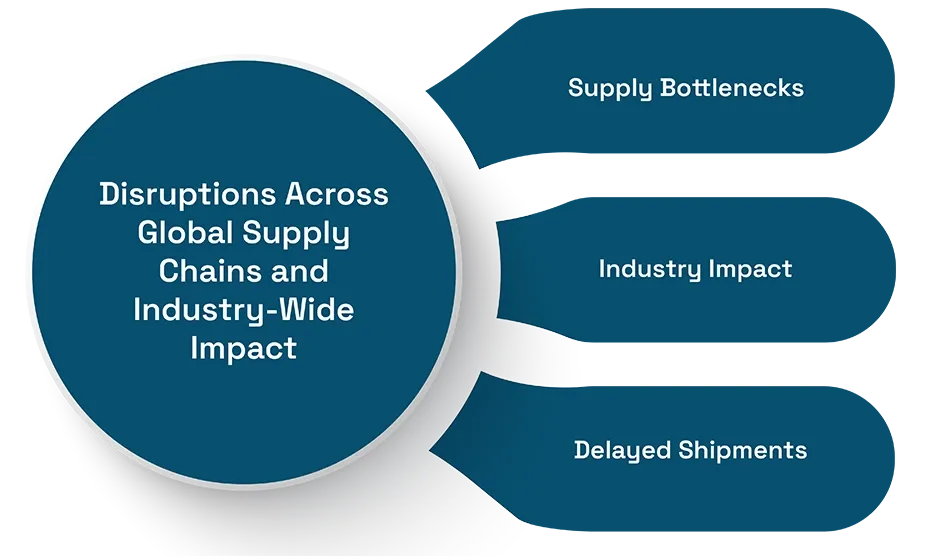
Disruptions Across Global Supply Chains and Industry-Wide Impact
Healthcare protectionism has really messed up the way medical supplies and things get to people around the world. This is because the systems we use to trade with each other are very connected. The healthcare protectionism issue shows us just how connected these systems really are. Healthcare protectionism is a problem for global supply chains.
Even countries with manufacturing abilities rely on imported parts such as semiconductors, sensors, and specialized medical electronics, making them vulnerable when export restrictions are imposed. Governments usually focus on their country’s needs first and this often causes delays in shipments. These delays create problems that slow down the movement of medical devices and equipment. At the time import-export businesses have to deal with more rules they need to follow and complicated paperwork, which makes import-export operations even harder. This makes it tough for import-export businesses to get things to their customers on time.
These disruptions extend across multiple industries. In the medical sector, restricted exports lead to shortages of essential devices, directly impacting patient care and healthcare systems. The IT industry has problems with health infrastructure because it can’t get the advanced parts it needs for connected medical technologies. The aviation industry, which is important for moving value medical shipments that are time-sensitive also faces challenges. These challenges are caused by regulations and problems with routing. They need to find ways to get the parts and move the shipments. Meanwhile, the automotive sector is still feeling the impact of semiconductor shortages. These problems show that we need to make supply chains stronger and more flexible. This is especially important, in a world where countries are becoming more protective of their trade.
Evolving Trade Policies and Regulatory Pressures in Medical Exports
Global healthcare protectionism has greatly changed how trade policies and regulatory frameworks control the movement of medical devices. Governments are now more focused on keeping their healthcare safe. They are changing trade policies to make sure they have enough medical devices. There are also requirements for licenses and occasional limits during emergencies.
This shift has resulted in increased scrutiny in cross-border movement, where shipments of essential medical equipment now undergo more detailed verification, documentation checks, and approval processes. For businesses that import and export goods new regulations create compliance problems. These rules keep changing so exporters and importers have to stay to date. Import export businesses need to be careful to avoid breaking these rules.
Managing product classification, adhering to country-specific guidelines, and ensuring accurate documentation have become essential to avoid delays and penalties. Companies are working hard to follow all the rules in a tricky world. They are using systems to make sure they are doing everything right. They are also talking to their trade partners more. People need to pay attention to what’s happening in their companies. This helps them to keep things running smoothly. Industries like medical and healthcare’re getting mixed up with other things, like aviation logistics and automotive technologies. So it is very important for companies to deal with rules and regulations properly. This is crucial for medical IT-enabled healthcare, aviation logistics and automotive technologies companies to keep trading with countries without any problems.

Conclusion
Healthcare protectionism is a problem. It shows that countries want to protect themselves. They also need to make sure everyone in the world has access to medical devices and life-saving medical equipment. When countries restrict exports and make policies it might make them feel safe for a little while. But to really be strong in the run Healthcare protectionism needs to be replaced with people working together being honest with each other and making sure Healthcare protectionism does not hurt the supply chains that connect everyone. This is because many healthcare systems around the world depend on buying and selling across borders. For companies that import export from countries this change shows how important it is for them to have supply chain plans that work well, follow the rules and can change when needed. Countries like these companies must be able to deal with problems and changes, in the healthcare systems and the import export business.
DID YOU KNOW
“Rising healthcare protectionism where countries prioritize domestic production of medical supplies, pharmaceuticals, and services over imports—has become a major concern as it often leads to higher costs and reduced access to care.”
FAQs
What is the most pressing health issue in your community?
One of the most pressing issues in rural Kenya is the lack of healthcare facilities and medical professionals. Many people must travel long distances to access medical care, which often means delayed treatment for critical conditions.
What factors influence the demand for health services?
Key drivers also include non-price barriers like transportation, location, waiting times, and quality of services. It is largely a derived demand, seeking health improvement rather than consumption for its own sake.
What are the 5 C’s of healthcare?
Compassion, communication, competence, confidence, and continuity are the core of nursing care principles and patient care standards. By grasping and applying these, healthcare teams can offer complete and effective care.
What are some common challenges faced by public health services in India?
The divide between urban and rural healthcare remains one of India’s biggest public health challenges.
Why are countries restricting exports of critical medical devices?
Countries impose export restrictions on critical medical devices to secure domestic supply during emergencies, manage shortages, and maintain healthcare system stability. However, these measures can disrupt global trade, delay access in other regions, and create challenges for businesses involved in cross-border supply chains.