
Overview
The aerospace industry is changing fast. Software is now just as important as the parts of aviation when it comes to how well the industry works. We use software for lots of things like controlling and navigating in time. The aerospace industry uses software to design the aviation industry too. As technology gets better, governments around the world are making it harder to export these sensitive systems. They want to keep their countries safe and make sure they have the technology. The aerospace industry and software are really important to security.
For companies that do business with countries, especially those in the IT, aviation, medical, and automotive sectors, this change means a new time for rules about international trade. When we talk about aviation software and systems that control flights it is not, like shipping IT parts. These things have a lot of rules to follow, like getting the licenses and controlling how data is sent so companies need to really understand how international trade works.
Aviation Software and Flight Control Systems
These systems are often developed through global collaboration, where different components are designed, tested, and integrated across multiple countries. This interconnected development model makes it essential for companies to adopt supply chain optimization strategies that ensure seamless coordination and compliance at every stage.
Aviation software is made up of lots of programs. These programs include things like systems that help manage flights, controls that can operate on their software that helps all the electronics in an aviation industry. They also include tools that can predict when maintenance is needed.
These technologies are really important. If something goes wrong, a small mistake can be a big problem and cost a lot of money. That is why businesses take steps to manage things properly. They keep track of what they have in stock. What orders they get. This helps them manage software licenses and updates and get systems to work together. Businesses need to do this in a way to manage software licenses and updates and system integrations. They need to do it this way so they can avoid problems and do not have to pay money. Software licenses and updates and system integrations are very important to businesses.
Export Restrictions on Aviation Software and Flight Control Systems
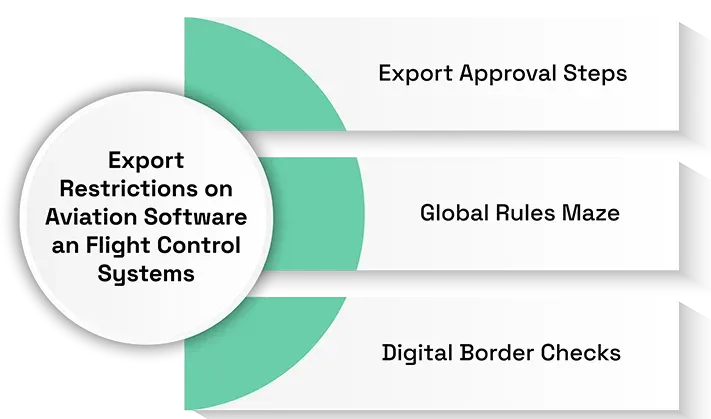
The rules for exporting aviation software and flight control systems are getting really tough in 2026. Governments think these technologies can be used for two things: for people and for the military. So when we export aviation software and flight control systems we usually need permission. We have to check who is using them and we have to follow a lot of rules. The rules for exporting aviation software and flight control systems are very strict.
One of the key challenges businesses face is managing compliance across different jurisdictions. Regulations may vary significantly between countries, making it essential to stay updated with evolving policies. This is where adopting the best trade compliance software for import export rules becomes crucial, as it helps organizations manage documentation, track regulatory changes, and minimize risks.
Additionally, the role of exporter of record and importer of record services becomes very important. They make sure that all legal responsibilities are met during -border transactions. Exporter of record and importer of record services help businesses handle paperwork and regulations easily.
Another layer of complexity arises from digital transfers. Unlike physical goods, aviation software can be transmitted electronically, which brings in additional scrutiny from regulatory authorities. Businesses must ensure that data transfers comply with international laws, cybersecurity standards, and export control regulations.
Emerging Compliance Challenges in Aerospace Software Trade
As export restrictions tighten, companies must navigate a new set of compliance challenges that go beyond traditional trade practices. One major issue is the classification of software updates and patches. Even minor updates to flight control systems may require regulatory approval before being shared across borders.
Moreover, collaboration between international teams is becoming more complex. Engineers and developers working in different countries must adhere to strict data-sharing protocols, which can impact project timelines and innovation cycles. This makes it essential for businesses to implement robust compliance frameworks that balance security with operational efficiency.
Another challenge is maintaining transparency and traceability in software distribution. Regulatory authorities are increasingly demanding detailed records of who accessed, modified, or transferred specific software components. This requires advanced tracking systems and well-defined internal processes.
For industries like automotive and medical, which are also integrating advanced software systems, these challenges are highly relevant. Lessons learned from aviation can help these sectors prepare for similar regulatory environments in the future.

Conclusion
There are rules about what aviation software and flight control systems can be exported. This is a change in how things are done in the aerospace trade. Aviation software is becoming an important part of how airplanes work. Because of this we need to make sure we have controls in place and that people follow the rules. The aviation software and flight control systems need to be regulated.
For import-export businesses operating across IT, aviation, medical, and automotive industries, adapting to these changes is essential. By leveraging international freight services where applicable, adopting advanced compliance tools, and utilizing exporter of record services and importer of record service, companies can effectively manage the complexities of this evolving landscape.
In the year 2026 and the years that follow, doing well in trade will not just depend on moving goods from one place to another but also on making sure technology is transferred in a secure and proper manner. Companies that take care of these issues ahead of time will be in a position to do well in the new area of aerospace regulation.
DID YOU KNOW
“AI and UAS export controls might be applicable to creating a system of export controls for AI-enabled UASs that balances competition with China and securely guided proliferation of AI-enabled UAS technologies.”
FAQs
Why are aviation software exports restricted?
Because they are considered sensitive technologies with potential military applications and national security implications.
Do software updates for flight systems require export approval?
Yes, even minor updates can fall under export control regulations depending on their functionality and destination.
How do companies ensure compliance with export restrictions?
They use advanced compliance tools, follow licensing requirements, and maintain strict documentation processes.
What risks do businesses face if they violate export regulations?
Penalties can include heavy fines, shipment delays, license revocation, and damage to business reputation.
Are other industries affected by similar software export controls?
Yes, sectors like automotive and medical technology are increasingly facing similar regulations due to digital integration.