Overview
The global automotive industry is becoming increasingly dependent on semiconductors as vehicles evolve into highly connected, software-driven machines. From advanced driver-assistance systems (ADAS) to electric vehicle (EV) power management, semiconductors are now at the core of modern automotive design. However, with growing geopolitical tensions and national security concerns, governments worldwide have introduced stricter export controls on semiconductor technologies.
These rules are changing the way the world trades and making things tough, for businesses that import and export things. For companies that work in information technology, aviation, medical and automotive areas it is really important to know how export rules impact the supply of semiconductors so that these companies can keep running and follow the rules.
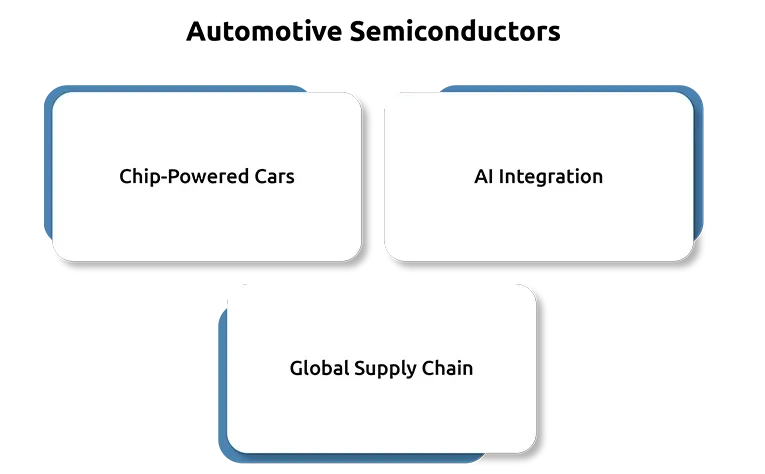
Automotive Semiconductors
Automotive semiconductors are specialized chips used in various vehicle systems, including engine control units, infotainment systems, safety features, and battery management systems in electric vehicles. Unlike consumer electronics, these chips must meet strict reliability and durability standards due to the demanding conditions in which vehicles operate.
The increasing complexity of vehicles has led to a surge in semiconductor demand. Modern cars can contain thousands of chips, each playing a critical role in performance and safety. This growing reliance has made the automotive sector highly sensitive to disruptions in semiconductor supply.
Additionally, the integration of artificial intelligence, connectivity, and autonomous driving technologies has further increased the need for high-performance chips. As a result, the semiconductor supply chain has become more globalized, involving multiple countries for design, fabrication, testing, and distribution.
Export Controls on Automotive Semiconductors
Export controls on semiconductors are rules made by governments to limit the sharing of technologies with certain countries or groups. These controls are often worried about keeping it safe and protecting the ideas that make semiconductors. Export controls on semiconductors also help countries stay competitive in the technology world.
In recent years, major semiconductor-producing nations have tightened restrictions on the export of advanced chips and manufacturing equipment. While these controls are primarily aimed at high-end computing and defense-related technologies, they also impact automotive semiconductors due to overlapping manufacturing processes and shared supply chains.
For import and export businesses this makes things really complicated. Import and export businesses have to make sure they are doing everything with the rules that are always changing. When import and export businesses are sending semiconductor parts across borders they have to do a lot of paperwork, get the licenses and work closely with the people who make the rules.
Moreover, export controls can also cause problems for production facilities. This change does not just make it more expensive to do business but also makes it really hard for them to plan for the future with the export controls. The export controls are an issue because they make things uncertain for companies and that is why the export controls are causing problems.

Impact on Vehicle Production
The effect of export controls on vehicle production is really big. One of the things that happens is that supplies get disrupted. When vehicle manufacturers do not have access to the semiconductor components they need they can have problems with their production schedules. This can even cause them to stop production for a while. Export controls can cause a lot of problems for vehicle production.
These disruptions can have a cascading effect across the entire supply chain. Suppliers, manufacturers and distributors all have to change how they work because of shortages and delays. This can cause higher costs and less production and supply chain disruptions can lead to longer lead times.
The automotive companies are making a change in sourcing strategies. Automotive companies are increasingly diversifying their supplier base to reduce dependency on specific regions. The goal is to make their supply chain stronger. The automotive companies want to be able to get the semiconductors they need even if there are problems, in parts of the world.
Export controls have an impact on the automotive sector when it comes to new ideas. If companies do not have access to semiconductor technologies it will be harder for them to develop new vehicles, especially the ones that can drive themselves and the electric cars. On the other hand export controls can actually help businesses to come up with new ideas and invest in different technologies. Export controls can influence innovation in the sector in different ways.
For businesses that do import and export work they need to be ready for changes that happen. Using software for import export rules is a good idea because it helps with following the rules and regulations. This way businesses can manage all the rules. Make sure they have a steady supply of products by keeping track of their inventory and orders for import and export work.
Conclusion
Export controls on automotive semiconductors are bringing both problems and opportunities for businesses. As vehicles become more technologically advanced, a stable supply chain cannot be overstated. Companies working in IT, aviation, medical and automotive staying on top of regulatory changes and supply chain problems is really important. They need to focus on following rules, diversifying sourcing strategies and using good management tools.
In 2026 and beyond adapting to export controls. Keeping supply chains strong will be crucial for success in the global automotive market.
DID YOU KNOW
“India imports over 80 percent of its requirements from the dominant global supplier.”
FAQs
1. What are automotive semiconductors?
They are specialized chips used in vehicles for functions like safety systems, engine control, infotainment, and EV battery management.
3. Why are export controls imposed on semiconductors?
Governments restrict semiconductor exports to protect national security, control advanced technology, and maintain economic competitiveness.
4. How do export controls affect vehicle production?
They can disrupt chip supply, causing production delays, increased costs, and reduced vehicle output.
5. What challenges do import-export businesses face?
They must navigate complex regulations, licensing requirements, and shifting supply chains while ensuring compliance.
5. How are automotive companies adapting to these controls?
Companies are diversifying suppliers, investing in local chip production, and improving supply chain resilience strategies.