Overview
Global trade has become mainly unpredictable due to frequent tariff revisions, changing trade agreements, and strong enforcement of customs regulations. For exporters working in highly regulated industries such as IT hardware, aviation components, medical devices, and automotive parts, these changes can affect pricing, delivery schedule, and approval planning. In this trade, DDP (Delivered Duty Paid) shipping is gaining momentum as exporters look for ways to protect their clients from sudden tariff increases while having supply chain stability.
What Is DDP Shipping and Why Does It Matter to Gains Momentum as Exporters?
Understanding DDP Under Incoterms
Delivered Duty Paid is one of the recognized Incoterms that places maximum responsibility on the seller. Under DDP shipping, the exporter manages international freight services, customs clearance, import duties, and local delivery to the buyer’s location. This difference is with terms such as DAP or DAPs, where the buyer remains responsible for duties and taxes.
Why DDP Matters in Today’s Trade Environment
As tariffs change and categorizations under the HS code or HTS Harmonized Tariff Schedule change, buyers increasingly prefer predictable landed costs. Delivered Duty Paid provides that predictability by combining duties, taxes, and logistics into a single price, making it mainly attractive for difficult, high-value shipments.
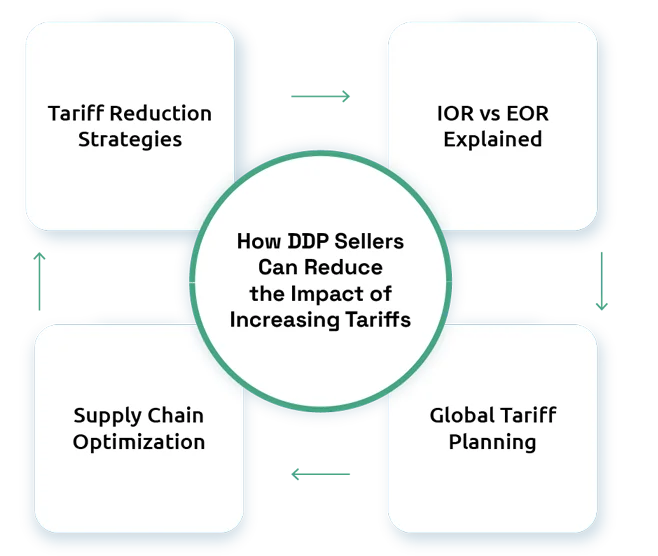
How DDP Sellers Can Reduce the Impact of Increasing Tariffs
Using Classification and Trade Programs
Accurate product classification plays a crucial role in managing tariff exposure. Exporters who correctly apply HS codes and evaluate eligibility under trade programs such as the generalized system of preferences (GSP) can reduce duty dependabilities where applicable. While GSP benefits vary by country and product, they remain a useful planning consideration.
Using Importer and Exporter of Record Services
Many exporters depend on the Importer of Record Service and the exporter of record services to confirm agreement across multiple administrative agencies. These services help manage documentation, duty calculations, and regulatory approvals specifically important in medical, aviation, and automotive shipments, where issues can lead to delays or penalties.
Supply Chain and Cost Optimization
DDP sellers frequently combined supply chain optimization and inventory and order management systems to estimate tariff issues and adjust sourcing or routing strategies. This proactive approach helps absorb cost changes without disrupting delivery responsibilities.
Why Exporters Use DDP Shipping for Protection from Sudden Tariff Hikes
Protecting Buyers from Volatility
One of the main reasons exporters use DDP is to protect buyers from unexpected duty increases. By assuming responsibility for customs duties and clearance, exporters provide an easy buying experience and reduce pressure for customers unfamiliar with international shipping terms.
Increasing Competitiveness in Regulated Industries
In industries like IT, aviation, medical, and automotive, delays or approval failures can stop production lines. DDP shipping, supported by an experienced Customs Broker chain and premium delivery service options, allows exporters to differentiate themselves through dependability and regulatory approval.
Simplifying Customs and Logistics
DDP logistics, customs clearance, and delivery under one responsible supplier. This simplified method reduces work combinations and improves clarity across international logistics work.
The Future of DDP Shipping after Tariff Hikes
Growth Driven by Compliance and Convenience
As customs authorities improve execution and tariffs remain changing, DDP shipping is expected to grow more in global trade. Exporters providing end-to-end international freight services, combined with strong approval systems, will be better positioned to support global customers.
Integration with Digital Trade Solutions
Future DDP models will increasingly depend on digital tools for tariff calculation, documentation management, and shipment tracking. This integration supports faster decision-making and greater flexibility in global supply chains.

Conclusion
DDP shipping is no longer just a premium option; it is becoming a major necessity for exporters guding tariff volatility and regulatory complexity. For businesses in IT, aviation, medical, and automotive sectors, DDP provides cost certainty, approval support, and stronger customer relationships. As global trade continues to develop, exporters who invest in strong logistics, customs expertise, and an importer of record services will be best equipped to manage risk and sustain growth.
DID YOU KNOW?
For businesses transporting high-value goods, also provides commercial DDP services for items valued at over$800 (680 Euros).
FAQs:
1. What is DDP shipping in international trade?
DDP (Delivered Duty Paid) shipping is an Incoterm where the seller takes full responsibility for transportation, customs clearance, import duties, taxes, and final delivery to the buyer’s location.
2. Why is DDP shipping becoming more popular among exporters?
DDP shipping is gaining popularity because it offers predictable landed costs, reduces tariff-related risks for buyers, and simplifies compliance in a constantly changing global trade environment.
3. How does DDP shipping protect buyers from sudden tariff hikes?
Under DDP, the exporter absorbs customs duties and tariff changes, shielding buyers from unexpected cost increases and ensuring a smoother purchasing experience.
4. Which industries benefit the most from DDP shipping?
Industries such as IT hardware, aviation components, medical devices, and automotive parts benefit the most due to strict regulatory requirements and high sensitivity to delays.
5. How do Importer of Record services support DDP shipping?
Importer of Record services help manage customs documentation, duty calculations, and regulatory compliance, making DDP shipping more efficient and reducing the risk of penalties or shipment delays.