The Growing Digital Divide in International Logistics Operations
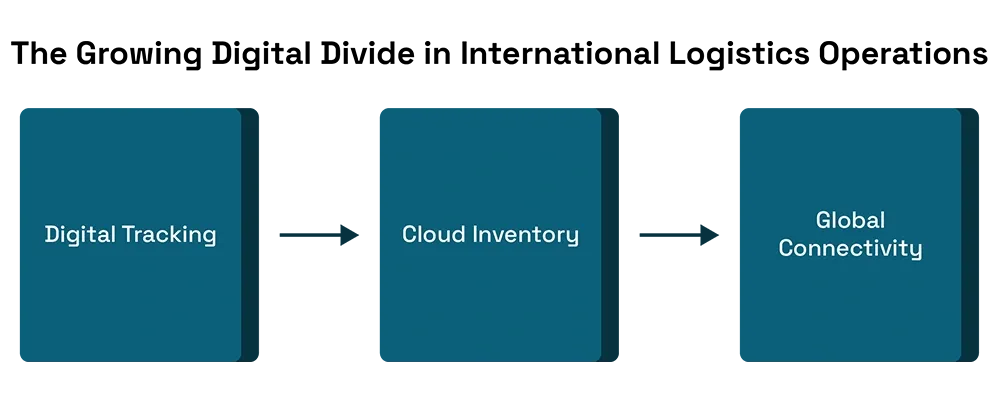
The growth of trade systems has really changed how global businesses handle imports and exports. Technology like automated shipment tracking and cloud-based inventory management is now key to logistics and international freight services. Many businesses now use systems to track shipments and manage orders. Big companies are spending a lot of money on systems that can handle data in time and tools that use artificial intelligence to make their supply chains better. Smaller companies that move goods from one place to another and countries that are still growing do things the old way. They use paper to keep track of things. This is a problem because it makes it hard to get things through customs and to know where things are when they are being shipped. When people are moving things around the world it is really tough for them to work together. This is an issue for logistics operators and customs clearance. Logistics operators have a time doing their job.
The impact of this gap is especially visible in industries such as IT, aviation, medical equipment, and automotive manufacturing, where timely delivery and accurate tracking are critical. Trade disruptions, port congestion, semiconductor shortages, and fluctuating transportation capacity have increased the demand for real-time logistics visibility and faster decision-making. Businesses that do not have digital systems in place often have problems. They get delayed and they have to deal with compliance issues. They do not work as well as they should when they are moving goods from one country to another. International trade is using more data these days. So companies need to make sure they have digital connectivity and they need to bring their supply chain processes up to date if they want to stay competitive in the global logistics environment.
Understanding the Digital Divide in International Logistics
The difference in logistics operations is that some businesses have really good computer systems and can do things easily while others are still doing things manually. The digital divide in logistics operations is a big problem because it is the gap between businesses that have good digital tools and those that do not have these digital tools. This divide can be understood across three major layers: infrastructure gaps, technology adoption gaps, and skills and training gaps. Many regions still struggle with poor internet connectivity, limited port digitization, and lack of cloud-based systems, making global logistics coordination difficult. In addition, several import-export businesses continue relying on manual paperwork and limited automation in customs procedures, which slows down Customs clearance and creates delays in shipment processing. The challenge becomes even greater when companies attempt to integrate multi-country trade systems with different compliance requirements, HS code classifications, HTS harmonized tariff Schedule regulations, and Incoterms standards. Without proper digital tools, businesses also face difficulties in Supply chain optimization, Inventory and order management, and managing International freight services efficiently.
These problems directly affect industries like automotive, where getting cars made on time depends on getting semiconductors delivered on schedule; aviation, where tracking parts in real-time is crucial; medical equipment logistics, where delays can hurt healthcare; and IT hardware deployments that need global supply chains to work smoothly. The automotive industry for instance feels the pinch when semiconductors are late. As global trade keeps changing, fixing this tech gap is vital for making logistics networks work better and be more visible. Bounce back from setbacks.
How Digital Inefficiencies Disrupt Global Supply Chains
Global trade networks are still having a lot of problems because of inefficiencies. These problems are causing issues with how things run and with money. When logistics providers and suppliers and freight partners use systems or platforms that do not work well together businesses have to deal with shipments being late. They also have a time figuring out how much inventory they will need and they can not always see where their shipments are. These disruptions often cause production to slow down. This results in storage costs and missed delivery deadlines. This is especially true for industries, like automotive, aviation, medical equipment and IT infrastructure. In addition, ineffective Inventory and order management can lead to stock shortages or overstocking, both of which directly impact profitability.
Weak digital coordination is a problem. It can cause a lot of issues during Customs clearance. For example if the paperwork is not correct or if people do not communicate on time it can cause shipments to be held up. This can also lead to penalties from regulators. To avoid these problems many organizations are buying the software to help them follow import and export rules. They are also trying to make their supply chain better by tracking things in time, making reports automatically and using one system to manage all their logistics. This way they can manage their supply chain easily. They are doing this by using trade compliance software for import export rules and by improving supply chain optimization.
Strengthening Compliance Through Digital Cross-Border Coordination
As international trade operations become more digitally connected, businesses must also improve compliance efficiency across multiple countries and regulatory systems. Electronic trade documentation is really important for getting shipments moving quickly. It helps reduce delays, makes sure shipments are accurate and speeds up the customs process. Companies that ship goods over the world need to make sure they classify their products correctly. They do this by using the HS code and HTS harmonized tariff schedule. They also have to follow changing trade regulations and documentation standards.
Standardized systems and globally accepted Incoterms like DAP and DAPs make it easier for suppliers, freight partners and importers to work together by spelling out who is responsible for delivery. Trade programs such as the system of preferences or GSP need accurate documentation and regulatory compliance to get the most out of duty benefits and avoid compliance risks. When businesses combine digitalization with regulatory management they can make their international logistics operations more agile, secure and efficient.

Building a Roadmap for Digital Transformation in Global Logistics
To close the gap in trade businesses need to make some changes. They have to come up with a plan to make things better. This plan should help them see what is going on, work smarter and talk to countries more easily. International trade operations need to be improved. Businesses should use technology like cloud-based platforms and automated tracking systems. They should also use AI to look at numbers and figures. This helps companies manage shipments effectively. It also helps them grow on the run.
Partnering with technology-enabled logistics providers can further strengthen operational flexibility and improve customs clearance efficiency across multiple regions. Companies involved in automotive, aviation, medical, and IT sectors can also use trade management platforms. These platforms bring together inventory and order management talking to suppliers watching shipments and following trade rules in one place. When companies work closely with suppliers and shipping partners they can build a network. Integrated trade management platforms help companies, in the aviation sector, the medical sector and the IT sector to do things better. This happens because when suppliers and freight partners team up it makes the whole supply chain more reliable. It helps businesses make decisions, which helps them deal with problems quickly. They can cut down on delays as a result plus helps them improve how well their whole supply chain works.
Conclusion
Bridging the divide in international logistics operations is crucial for businesses that want to remain competitive and grow over time in global trade. As supply chains become more connected, companies can no longer rely on systems or paper documents, nor can they have any idea where their shipments are. Using technology to get trade rules and working well with suppliers, freight partners, and customs people is becoming very important for success in international logistics operations. For businesses, in IT, aviation, medical and automotive a connected logistics system helps make decisions faster, manage inventory and orders better customs more smoothly and optimize supply chains more effectively with digital technologies.
Companies can do a job of handling problems that come up by using smarter ways of moving things around and digital tools that can grow with them. This helps them provide services for shipping things across the border. Organizations can build an import-export business that will be competitive in the future. The import-export operation will be ready, for what’s coming. This is important because the world is becoming more digital every day and import-export operations need to be digital.
DID YOU KNOW
“Bridging the digital divide in international logistics requires overcoming disparities in technology, infrastructure, and digital literacy.”
FAQs
1. How does the digital divide affect Small and Medium-Sized Enterprises (SMEs) in global trade?
While 97% of internet-enabled MSMEs participate in exports, only 2% to 28% of traditional, unconnected businesses do. The divide limits smaller firms from accessing real-time shipment tracking, automated customs clearances, and international e-commerce platforms, leaving them at a massive competitive disadvantage
2. What strategies are governments and organizations using to bridge this gap?
To prevent peripheral regions from being marginalized, governments and international bodies focus on four main pillars Infrastructure , Digital Public Infrastructure (DPI) , Workforce Upskilling and Financial Incentives .
3. Why is digital literacy as important as physical connectivity?
Having access to a smartphone or the internet is only the first step. The divide is also an “experience gap”. Users must have the technical and socio-emotional skills to utilize advanced digital trade networks effectively. Without training, populations are left out of modern, digital-first supply chain operations and high-tech warehousing jobs
4. What are the main causes of the digital divide in logistics?
High implementation costs are one of the causes of the digital divide in logistics are the main causes of the digital divide.
5. How does this divide impact global supply chains?
- Operational Inefficiencies: Many countries with economies use automated systems to manage freight but companies in developing countries still use manual spreadsheets. This causes problems like wasted time, repeated work and mistakes.
- Lack of Visibility: The use of technologies makes it hard to track packages as they move across borders. This leads to delayed reactions to problems, like port congestion or customs delays.