Why Traditional Trade Documentation Is Slowing Global Trade
Global trade operations still rely heavily on paper-based documentation, manual approvals, and disconnected verification systems. For businesses involved in import export businesses, this creates significant delays during customs clearance and cross-border cargo movement. Shipping documents such as invoices, certificates, bills of lading, and compliance records often pass through multiple stakeholders, including exporters, freight forwarders, customs authorities, and importers.
Because each party may use different systems, document duplication and data mismatches become common, increasing the risk of shipment delays, compliance issues, and operational inefficiencies. These challenges are particularly critical for industries such as automotive, aviation, medical equipment, and IT infrastructure, where delayed shipments can directly impact production schedules and business continuity.
The international freight services are getting really complicated. This is showing us that the old ways of doing paperwork are not good enough. When businesses have to check everything by hand it takes a long time to get things through borders. This makes ports really busy. It gives businesses a chance to fake documents or change them in bad ways. In the world we live in today, where things are moving fast, businesses need to be able to see what is going on with their supplies and they need to be able to check trade records quickly so they can keep everything running smoothly.
This is where blockchain-based trade documentation is really taking off. Blockchain is not some new thing that businesses are talking about. It is a system that’s safe and easy to see what is going on. This is where businesses who are allowed to see trade records can look at them at the time. Blockchain technology is helping companies around the world by making trade easier and faster. It does this by getting rid of delays that happen when businesses have to fill out paperwork and by making sure that everyone is following the rules. This means that companies can get their products across borders quickly and without as many problems. Blockchain-based trade documentation is making things better for businesses.
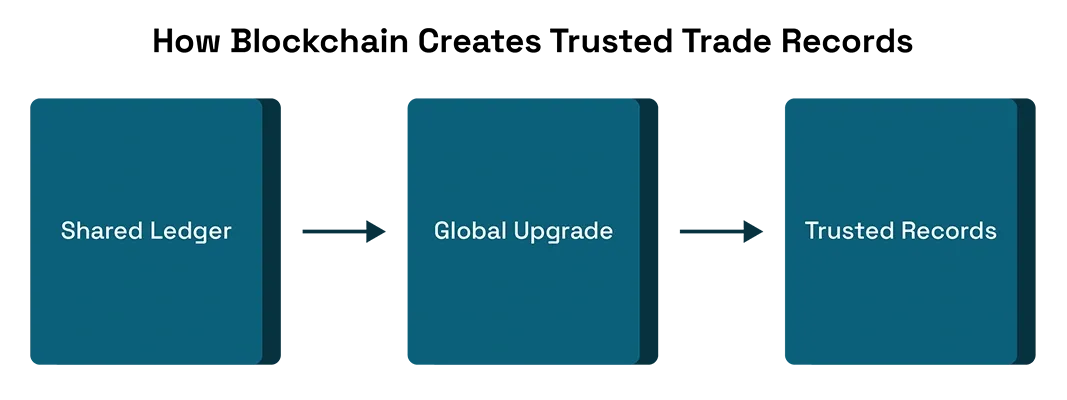
How Blockchain Creates Trusted Trade Records
Blockchain based digital trade documentation is transforming the way global trade participants manage and verify shipment information. Instead of relying on disconnected paper records and manual approvals, blockchain works as a shared digital ledger where customs authorities, freight forwarders, exporters, importers, and logistics providers can securely access the same verified data in real time. This system makes records that can’t be changed easily. This helps to lower the risk of fraud and mistakes in documents, during transactions. Smart contracts also help to make trade operations smoother. They do this by starting approvals and checking if everything is okay when certain conditions are met.
International freight services are getting more complicated. This shows that the old ways of doing paperwork are not good enough. When businesses have to check documents by hand it takes a long time to get things done at border crossings. This causes problems at ports. Makes it easier for businesses to cheat or change documents in bad ways.
From Manual Verification to Instant Border Validation
Blockchain technology is transforming global trade operations by replacing slow manual documentation processes with secure, real-time digital verification systems. Through blockchain customs can validate invoices, shipment records, certificates and cargo details instantly. They do not need to get lots of paperwork. This makes customs clearance faster and also reduces delays at ports, airports and border checkpoints. Customs authorities use blockchain to check invoices with that shipment records and certificates are also checked.
In industries such as automotive, aviation, medical equipment, and IT hardware transportation, where shipment timing and accuracy are critical, blockchain enables faster cargo release and stronger coordination between traders, freight providers, and customs agencies.
The technology helps to reduce the risk of businesses changing documents in a way or cheating by making digital records that are very hard to change. When you use this technology with systems that automatically handle trades, manage inventory and orders and make supply chains work better, blockchain helps to make international shipping services more open and honest.
Improving Transparency and Compliance Across Borders
Blockchain-based trade documentation is helping global businesses reduce compliance risks by creating secure, tamper-proof digital records that improve transparency across the entire supply chain. In traditional import export operations, forged certificates, duplicate invoices, and inconsistent shipment records can lead to customs delays, financial penalties, and regulatory disputes. With blockchain technology, every transaction and document update is permanently recorded, making it easier for customs authorities, freight providers, and trading partners to verify shipment authenticity in real time.
This helps get customs documents right. It also makes trade documentation better managed and tracked for compliance in countries. Businesses can keep their HS code classification consistent and also keep references to HTS tariff schedules and Incoterms details accurate. This reduces mistakes when goods are processed across borders. This accuracy helps with customs documentation and trade documentation management.
Companies are using the software to follow import and export rules. This software is really important for keeping track of products. It helps keep everything safe and makes sure businesses can see where shipments are. It also helps with paperwork for imports and exports across automotive, aviation, medical, and IT supply chains.
Conclusion
Trade is getting easier because of Blockchain technology. It is changing the way businesses do things when they import and export. This technology is replacing the way of doing things with paper. Now businesses use computers to check documents. It is a lot safer and more honest. The whole system of getting equipment from one place to another around the world is working better because of Blockchain technology and real-time document validation and faster border clearance and all that. Blockchain technology is really helping the supply chain.
Industries such as automotive, aviation, medical equipment, and IT infrastructure can really benefit from being able to see what is going on, having problems with rules and working better with other countries. So blockchain is not an idea that businesses are trying out, it is a real solution that works for import export businesses. Import export businesses want to make things easier, at customs and make logistics operations better and manage trade compliance better.
DID YOU KNOW
“Digital Certificates of Origin, electronic Bills of Lading (e-BL), and invoices cannot be forged or manipulated, ensuring high data integrity. ”
FAQs
How does blockchain actually speed up border clearance?
Digital data is tamper-proof and shared in real-time, customs agencies can vet shipments before they arrive at the port.
What are the main benefits for traders and customs?
Documents cannot be forged or secretly altered once recorded, vastly reducing the risk of document-based fraud.
What are the main problems with traditional trade documentation?
Global trade usually depends on paper like Bills of Lading and Letters of Credit. These papers have to be sent across borders. This is a problem because it causes delays when papers are sent by manual courier. There is also a risk that these papers will get lost or someone will forge them.
What is the role of smart contracts in trade documentation?
Smart contracts are programs that run on their own. They are stored on a ledger called the blockchain. Smart contracts help to make sure that all conditions are met before moving.
Why is blockchain becoming important in international trade documentation?
Blockchain is becoming really important in trade documentation. This is because blockchain creates trade records that cannot be changed. These records are very clear and easy to see. They help stop businesses from cheating with documents.