In today’s interconnected global economy, companies frequently ship goods across borders to meet the demands of international markets. However, the process isn’t as simple as moving products from one country to another — each nation has its own customs clearance procedures, tax regulations, and import documentation requirements. To navigate these complexities efficiently, businesses depend on an Importer of Record (IOR) — a trusted entity responsible for ensuring trade compliance, managing customs documentation, and overseeing all legal import obligations. Partnering with an experienced IOR provider like One Union Solutions helps businesses simplify global logistics, reduce customs delays, and ensure smooth in-transit handling of their shipments under DDP (Delivered Duty Paid) terms. To investigate these complexities, associations much of the time rely upon an Importer of Record (IOR) to manage their legal responsibilities.
Importance
The IOR Number plays a critical role in streamlining the import process. Here’s how it helps:
- Simplifies Customs Procedures: By giving a remarkable identifier to the merchant, the IOR Number velocities up the traditional clearance process, resulting in quicker arrival of merchandise. It ensures that the importing entity is properly recorded, reducing delays caused by identity verification or incomplete documentation.
- Ensures Compliance: The IOR Number ties the responsibility for compliance with local laws to a specific entity. This guarantees that merchants meet every lawful requirement, including installment of obligations and charges, and adherence to safe and quality principles. A substantial IOR Number is fundamental for smooth transactions.
- Reduces Customs Delays: With an exact IOR Number, traditional officials can undoubtedly confirm the merchant’s qualifications and guarantee the appropriate documentation is set up. This decreases the probability of customs deferrals, fines, or shipments being held up because of desk work issues.
Main Responsibilities of an Importer of Record (IOR)
An IOR guarantees your goods clear customs quickly while sure everything follows the local rules exactly as it should. Having an IOR is essential for keeping your supply chain moving and making sure you stay on the right side of the law. It allows companies to focus on their core business without getting stuck in customs paperwork.
Compliance
Compliance is a primary duty of the IOR, as customs regulations vary widely across countries. To meet these standards, an IOR must ensure that each product has an accurate Harmonized System (HS) Code.
Documentation and Reporting
We manage all necessary paperwork to make the customs process as smooth as possible.That includes everything from billing forms to shipping receipts. We take responsibility to get every detail right before the goods reach our destination, so you aren’t stuck with surprise fees or watching your shipment fall behind schedule.
Tax and Duties Management
The IOR dealing with import taxes and tariffs can be a major problem, especially when rates change. We manage the entire process of calculating and paying your duties upfront ahead of time. Make sure the right DDP (delivery duty paid )terms are applied so you don’t have to deal with surprise costs later on. In short, we take care of the payments so your shipment passes through customs without getting stopped for money reasons.
Supporting Import Compliance with Importer of Record Services
Following import rules is important for smooth international shipment. Importer of Record (IOR) services help companies in completing the import process, preparing the required documents, & allowing fast customs clearance. This improves global trade, reduces delays, avoids high costs, and makes sure that goods reach securely and on time. It also helps companies in following to local rules in other countries. This reduces the risk of customs issues or shipment delays. Businesses may import products with confidence and keep their operations operating successfully if they receive reliable IOR support.
Supporting Import Compliance with Importer of Record Services
Following import rules is important for smooth international shipment. Importer of Record (IOR) services help companies in completing the import process, preparing the required documents, & allowing fast customs clearance. This improves global trade, reduces delays, avoids high costs, and makes sure that goods reach securely and on time. It also helps companies in following to local rules in other countries. This reduces the risk of customs issues or shipment delays. Businesses may import products with confidence and keep their operations operating successfully if they receive reliable IOR support.
Role of IOR in High-Value Global Imports
An IOR plays a key role in managing valuable global shipments by ensuring full compliance with customs rules. It handles all import documentation, tax responsibility, & legal requirements needed for hassle-free clearance. The IOR helps reduce delays & prevents shipment holds by ensuring accurate grouping & paperwork. It also supports industries like IT, medical equipment, & aviation where compliance & accuracy are complex. It provides safe cross-border trade operations.
Importer of Record (IOR) services for global trade compliance
Importer of Record (IOR) services help businesses with handling import rules, import documents, and clearance processes. The IOR makes sure goods use the correct HS Code classification, pay taxes, and follow all legal requirements. These services help businesses avoid customs delays and provide smooth international shipping. IOR services are commonly used by industries like IT, medical, aviation, and automotive to make sure fast and safe delivery of goods. Businesses can focus on growing their global operations and reducing cross-border trade issues by using IOR support rather than worrying about complicated import rules.
Industries That Rely on Importer of Record Services
Importer of Record (IOR) administrations are fundamental for different businesses that depend on the smooth, agreeable, and savvy development of merchandise across borders. These services ensure that imported goods meet regulatory standards, complete all necessary documentation, and fulfill tax obligations, making IOR critical for sectors with strict compliance requirements. Here’s how key industries benefit from IOR services:
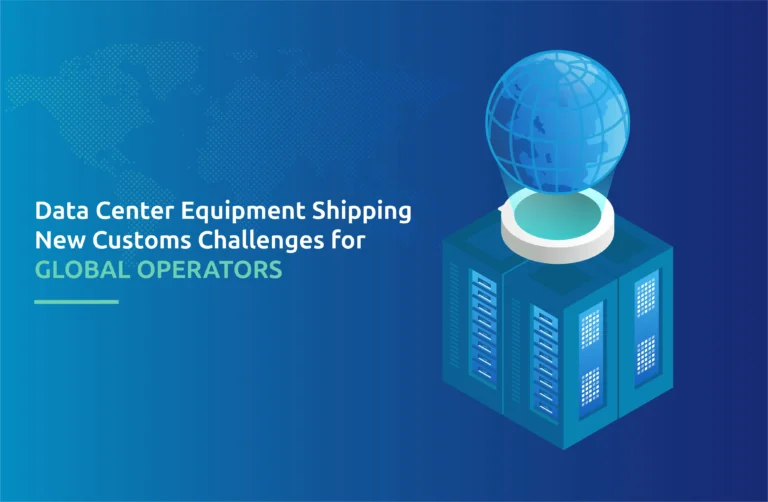
IT and Data Center Equipment
The IT and data center industry frequently imports high-value equipment such as servers, storage systems, and networking devices to support global business operations. With stringent regulations and rapid technological advancements, managing the import of IT equipment can be complex.
Medical Equipment
Medical equipment imports require severe adherence to guidelines because of their effect on general well-being. The Importer of Record is fundamental for overseeing consistency with clinical gadget guidelines, including wellbeing norms, certificates, and enlistment necessities in the objective country.
Aviation
The aviation business depends on IOR administrations for the import of airplane parts, maintenance tools, and security hardware, where consistency and practicality are basic. Flight imports are represented by unambiguous administrative bodies, like the Federal Aviation Administration (FAA) in the United States and the European Union Aviation Safety Agency (EASA) in Europe.
Automobile
Automakers and providers rely upon IOR administrations to import parts, hardware, and, surprisingly, completely collected vehicles. These imports are subject to specific environmental, safety, and quality standards in each destination country.
Conclusion
Picking the right Importer of Record (IOR) supplier can have a huge effect on how easily and consistently your business explores global trade. With the intricacies of customs guidelines, charge commitments, and documentation necessities, cooperating with a carefully prepared IOR supplier like One Union Solutions brings priceless advantages.
Did You Know
Importer of Record (IOR) addresses a core challenge in supply chain operations: how to efficiently coordinate the flow of products from source to destination while managing cost, time, and risk
FAQs
1. What documents are required for Importer of Record (IOR) services?
IOR services typically require commercial invoices, packing lists, shipping documents, and import licenses depending on the destination country. These documents ensure smooth customs clearance and legal compliance.
2. Why is an Importer of Record important in international trade?
An Importer of Record is important because it ensures goods comply with customs laws, pay correct duties, and enter the country legally. It helps avoid delays, penalties, and shipment rejection.
3. Which industries use Importer of Record (IOR) services the most?
Industries like IT, healthcare, aviation, and automotive rely heavily on IOR services. These sectors often deal with high-value and regulated equipment that requires strict compliance.
4. What happens if there is no Importer of Record for a shipment?
Without an Importer of Record, shipments can be delayed, held at customs, or even returned. It can also lead to fines and legal issues due to non-compliance with import regulations.
5. How do IOR services support business growth?
IOR services make importing easier, reduce compliance risks, and help businesses expand into new international markets.