Introduction
In 2026, global data center expansion will be quicker than ever before. More businesses are using cloud computing, AI, edge computing, and digital services, resulting in higher needs for new data centers in different countries. Companies are growing into new markets to improve service speed, reduce delays, and fulfill increasing customer demand. Build a data center in another country, however, requires more than just installing servers and IT hardware. Before equipment may be imported into the country, businesses must follow to import compliance, local customs rules, and trade compliance rules. Missing documents, wrong HS codes, or changing import regulations may cause customs delays, extra costs, and project problems. With import laws become increase strict in many countries, businesses must understand the compliance process before shipping IT equipment globally. Careful planning reduces delays, avoids unwanted costs, and makes sure that global data center projects work on time.
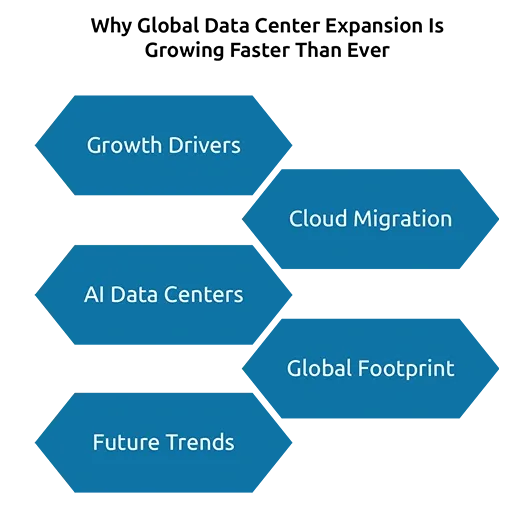
Why Global Data Center Expansion Is Growing Faster Than Ever
Businesses around the nation are growing and investing in global data center growth to support the growing demand for digital services. In 2026, businesses that depend on fast, secure, and reliable data processing will require strong digital infrastructure. One of the main reasons of this growth is the increased use of cloud computing. More businesses are moving their data and software to the cloud, increasing demand for modern data centers. The rise of AI data centers is also supporting growth. AI equipment require high-end servers and storage systems because they need to handle large amounts of data fast and effectively. Edge computing is expanding as companies develop smaller data centers closer to users. This increases speed and allows real-time applications. Many businesses are also entering new markets by building data centers in different countries to better support local customers and helps business growth.
Key Equipment Required for Modern Data Centers
To make sure that digital services work properly, modern data centers use many types of data center equipment. In 2026, businesses will require reliable IT equipment prepared for handling large amounts of data, supporting cloud platforms, and handling growing AI workloads. Servers are the main parts of a data center. They handle software, store data, and handle business systems. Storage systems keep important data secure and easy to access when needed. Networking equipment, such as network switches and routers, connect servers and storage devices, allowing data to move data quickly over the network. Server racks serve to arrange and protect IT equipment and also reducing maintenance. Data centers also rely on UPS devices to supply extra power during outage. Cooling equipment keeps servers and other devices at the correct temperature, avoiding heating and maintain stable performance.
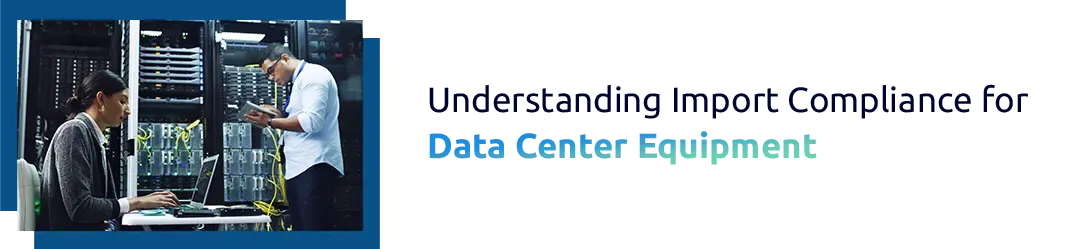
Understanding Import Compliance for Data Center Equipment
Import compliance requires following all of the legal requirements for shipping data center equipment into another country. To avoid delays and charges, each shipment have to follow with local customs regulations and trade compliance standards. Each country has a different rules for import, so companies must prepare the required import documents before shipping. Documents required by local officials include the commercial bills, packing list, bill of lading or air waybill, HS code data, and import permits. During customs clearance, officials may check the shipment & its documents to make sure that it follows local rules. The delivery may be delayed if important details are missing or incorrect. Importers may also be required to pay customs and taxes before the products can be released. Following import compliance regulations allows businesses to complete customs clearance more quickly and deliver data center equipment on time.
Common Import Compliance Challenges During Global Data Center Expansion
When companies grow into new countries, they usually face different import challenges when shipping data center equipment. Every country has its own regulation compliance and customs processes, which affects international trade. One typical difficulty is that import laws differ between countries. A shipment that is allowed in one market may require more authorization or documents in another. Incorrect HS codes and missing documents may cause issues during the import procedure. Another issue is delays in customs clearance. Customs can delay shipments for document checks or checks, causing data center installation to be delayed. Businesses could also face unexpected duty and tax costs if goods are not correctly classified.
How Importer of Record (IOR) Services Simplify Global Data Center Expansion
Importer of Record (IOR) services help companies in importing data center equipment while following to local import laws. The IOR serves as the legal importer & is in charge of key import tasks. IOR services handle import documents, help with duty & tax payments, and make sure global trade complies with local laws. They also provide customs support, which helps goods clear customs faster & reduces the chance of delays or other import issues. This gives businesses more security when moving IT hardware across borders. It also helps to keep data center projects on track & supports smooth global growth.
Conclusion
As global data center expansion increases, businesses want a smooth import process to keep projects on track. Following import and local customs rules helps reduce delays, extra charges, and shipment problems. Importing data center equipment into different countries is made easier with proper planning and Importer of Record (IOR) services. This allows businesses to grow with confidence and complete data center projects more smoothly.
Did you know
The total data center market generated $416.09 billion in revenue in 2024 and is forecast to climb past $620 billion by 2029, according to Statista Market Insights.
FAQ
How can businesses reduce import delays for data center projects?
Businesses can prepare the correct documents, use the right HS codes, understand local import rules, & work with experienced Importer of Record (IOR) service providers.
Why is import compliance important for data center equipment?
Import compliance helps businesses follow local import rules, complete customs clearance, & avoid shipment delays or extra costs.
Why do import rules change from one country to another?
Every country has its own customs laws, taxes, & import requirements. Businesses must follow the rules of the country where the equipment is being imported.
Why are HS codes important for importing data center equipment?
HS codes help customs identify products correctly. Using the right HS code supports smooth customs clearance and correct duty & tax calculations.
How do IOR services support international data center projects?
IOR services help businesses import IT hardware into different countries while following local import laws & customs requirements, making global expansion easier.