Introduction
The rapid growth of artificial intelligence, cloud computing, edge computing, & digital innovation is driving important investments in data center systems worldwide. Businesses are expanding into new global markets to support cloud services, AI workloads, enterprise applications, and high-performance computing (HPC). However, importing servers, networking hardware, storage systems, and other critical IT equipment involves more than shipping. Every country has unique customs regulations, documentation requirements, duties, taxes, & product compliance standards.
Any mistake in customs paperwork, HS code ,regulatory documentation can delay shipments, increase costs, and disrupt deployment schedules. IOR services simplify these challenges by managing the legal import process & make sure every shipment complies with destination-country rules. This allows organizations to deploy a global data center system effectively while minimizing compliance risks & customs delays.
Why are Importer of Record IOR Services Essential for Global Data Center Expansion?
Global data center projects require the movement of valuable equipment such as AI servers, GPU systems, networking devices, storage arrays, telecom hardware, & power architecture across borders. Since every country follows different import regulations, customs procedures, & documentation standards, handling global shipments can become highly complex.
Importer of Record IOR services remove this complexity by taking legal responsibility for the import process. The IOR manages customs documentation, verifies customs compliance, manages import declarations, & supports customs clearance. This helps businesses avoid shipment delays, reduce compliance risks, & complete global deployments without building up a local importing entity.
What Is an Importer of Record (IOR)?
An Importer of Record is the legal entity responsible for make sure imported goods follow with all customs laws & import regulations in the importing country. The IOR manages customs documentation, verifies product classification, coordinates declarations, & make sure all applicable duties, taxes, & regulatory requirements are fulfilled before goods enter the country.
For global data center projects, IOR services enable organizations to import IT infrastructure into countries where they do not have a registered legal entity. Instead of managing complex customs procedures internally, businesses can rely on an experienced IOR provider to simplify compliance and accelerate project deployment.
Key Challenges of Importing Data Center Equipment Internationally
Importing business IT equipment involves the required customs & regulatory requirements. High-performance servers, AI hardware, networking equipment, storage systems, & telecom devices frequently require accurate customs documentation, correct HS code classification, product certifications, & country-specific approvals.
An Organization may also face shifting import rules, different tax systems, customs checks, import permits requirements, & export rules. Without proper planning, these issues can guide to shipment delays, extra storage charges, higher logistics costs, or customs penalties. Working with an expert IOR provider helps businesses overcome these challenges while keeping full compliance through the import process.
Compliance Requirements for International Data Center Imports
Every destination country has different import regulations for technology equipment. Businesses must prepare accurate commercial invoices, packing lists, customs declarations, HS code classifications, & certificates of origin where required. Some countries also require product approvals, telecommunications approvals,import permits before customs clearance.
Meeting these requirements before shipment helps reduce customs delays, avoid penalties, & make sure equipment is released quickly upon arrival.
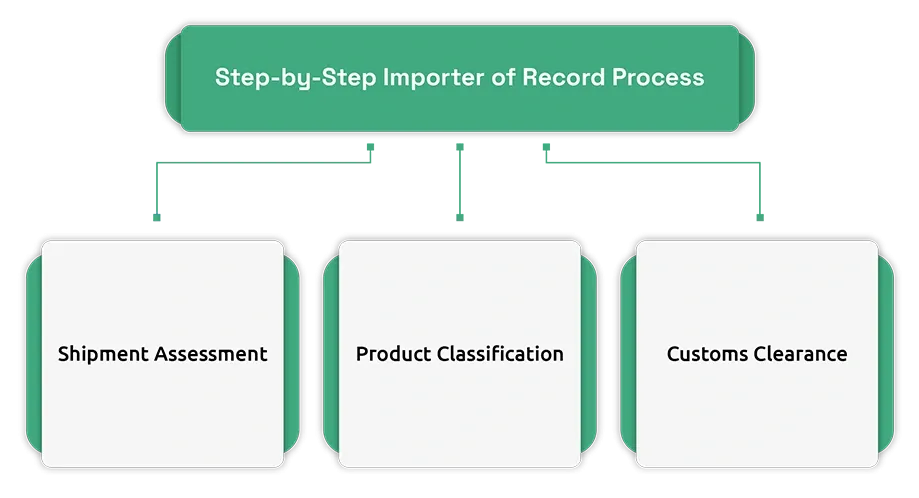
Step-by-Step Importer of Record Process
Step 1 – Shipment Assessment
The IOR reviews the shipment, importer country regulations, product requirements, & import requirements before shipping begins.
Step 2 – Documentation Preparation
trade invoices, packing lists, technical documents, & customs paperwork are prepared and verified for accuracy.
Step 3 – Product Classification
Each product receives the correct HS code to determine duties, taxes, & regulatory requirements while reducing customs risks.
Step 4 – Compliance Verification
The IOR confirms that all documentation meets import-country regulations & secures any required permits or certifications.
Step 5 – Customs Clearance
The shipment is provided to customs authorities, import declarations are completed, & duties are managed where applicable.
Step 6 – Final Delivery
After customs clearance, equipment is shipping securely to the destination data center for installation.
Data Center Equipment That often Requires IOR Services
Importer of Record services support the global movement of AI servers, GPU systems, enterprise storage, networking switches, routers, firewalls, telecom equipment, server racks, UPS systems, PDUs, fibre optic equipment, cooling systems, backup appliances, & edge computing hardware. These products often require specialized customs handling because of their high value & country-specific regulatory requirements.
Country-Specific Compliance for Global Data Center Expansion
Import regulations vary important from one country to another, making global data center deployments increasingly complex. European countries often require CE compliance & environmental standards, while many Middle Eastern nations require telecom approvals before networking equipment can be imported. Several Asia-Pacific countries have unique customs procedures & product documentation requirements, whereas Latin American markets may include additional import documentation & tax rules. Businesses growing worldwide must understand these country-specific requirements to avoid customs delays, shipment holds, & unnecessary compliance risks. Working with an experienced IOR provider helps make sure every shipment meets local rules before arriving at its destination.

Why Choose One Union Solutions for Global Data Center Imports?
One Union Solutions provides complete Importer of Record services that simplify global data center deployments. Our expertise handles customs documentation, HS code classification, regulatory compliance, import declarations, & duty control while making sure every shipment follow with import-country rules. Whether importing AI servers, networking equipment, or telecom hardware, we help companies reduce customs delays, lower compliance risks, & maintain project timelines. With strong experience supporting cloud providers, AI companies, business IT deployments, & global technology projects, One Union Solutions delivers reliable end-to-end logistics solutions that support businesses to improve confidence globally.
Conclusion
Global data center growth requires more than advanced technology—it depends on reliable logistics, customs expertise, & regulatory compliance. Importing servers, AI hardware, networking equipment, storage systems, & supporting systems across cross borders includes varying customs laws, documentation standards, & country-specific import requirements.
Importer of Record services simplify this process by managing legal import duties, make sure compliance, & handling customs clearance from origin to destination.
Did You Know?
Global merchandise trade has exceeded 24 trillion USD in recent WTO reports, driven by expanding global supply chains, rising cross-border demand, and increased participation of developing and developed economies in international trade.
Frequently Asked Questions
What is an Importer of Record for data center equipment?
An Importer of Record is the legal entity responsible for make sure imported data center equipment complies with customs rules, documentation requirements, duties, taxes, & import-country import laws before customs clearance.
Why do global data center projects require IOR services?
Global data center projects frequently involve importing equipment into countries where organizations do not have a registered legal entity. IOR services manage customs compliance, documentation, & legal import responsibilities, allowing faster & compliant deployments.
Can businesses import AI servers & networking equipment without a local entity?
Yes. Businesses can import AI servers, GPU systems, networking hardware, storage equipment, & other IT systems through an experienced Importer of Record provider without creating a local importing company in many countries.
What documents are required to import data center equipment internationally?
Typical import documents include trade invoices, packing lists, customs declarations, HS code segments, permits of origin, product details, & country-specific approvals or import permits.
How do Importer of Record services reduce customs delays?
IOR providers prepare accurate documentation, checks compliance before shipment, handle customs declarations, organized duties & taxes, & work directly with customs rules. This reduces documentation errors, reduced shipment holds, & helps data center equipment arrive at destination on time.