Introduction
A data centre’s setup largely depends on getting critical equipment to the site on time. Still, this process has many hurdles, mainly related to the clearance of goods and the correct paperwork. If these obstacles arise, delays, more expenditures & missing deadlines can seriously impede the progress of a data centre project. Proper documentation ensures the equipment arrives according to the schedule and the project moves forward smoothly.
If your import documentation is effective, you can avoid many holdups. It helps a company comply with laws and international standards, reduces the risk of errors, and makes customs clearance faster. Since data centres play a bigger role in many areas, properly handling equipment import is necessary for swift and easy deployment.
The Importance of Streamlined Documentation in Data Center Deployment
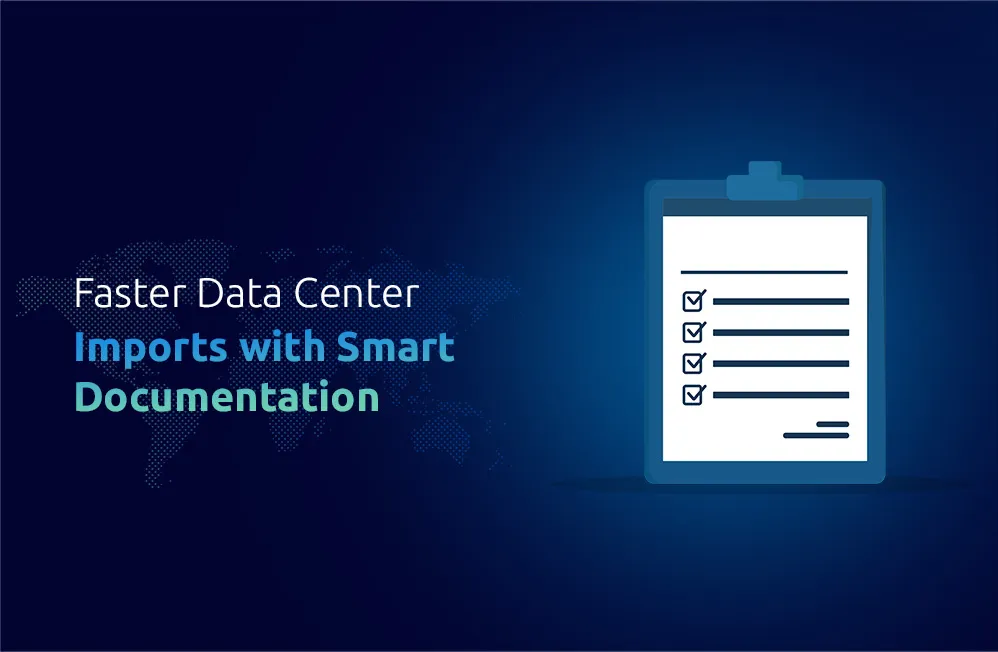
Data centres must start on time, so their necessary equipment must be imported without experiencing delays. Importing goods needs the preparation of many documents, including commercial invoices, packing lists, certificates of origin & product compliance certificates. All documents must be written and given to customs properly to ensure the process runs smoothly.
Clear and prompt documentation helps to limit errors, incomplete paperwork, and misunderstandings with customs personnel. Businesses can achieve quicker clearance and save on costs if they simplify their documentation process. A good approach allows businesses to speed up the delivery of vital equipment. Hence, their data centres begin operation as planned.
A well-organized system for documentation makes it easier to complete imports, and businesses can avoid unexpected penalties if everything is done correctly. Suppose the documentation is completed promptly and with no errors. In that case, the company can avoid problems with regulators and keep costs down. Effective documentation is necessary for the smooth deployment of data centers, confirming on-time import and agreement with global trade guidelines. Using blockchain in the supply chain increases clarity and security in document verification, reducing issues and delays. Working with experts who understand the Exporter of Record service confirms that all import responsibilities, including regulatory approval and customs clearance, are handled accurately. Also, combining freight logistics services supports effective logistics and coordination, allowing organizations to achieve faster data center setup and improved project ROI.
A Real-World Case Study: Overcoming Import Obstacles with Documentation Excellence
A global technology company encountered several difficulties expanding its data centre because the imports for the project were often behind schedule. It took so long due to the confusing document control. The logistics team left out inaccurate forms and documents, creating many holds at the customs station.
The company managed these challenges by revamping its approach to import documentation. The first step was to partner with a professional logistics provider specializing in data centre imports, ensuring all required documents were in place & accurately completed. They also simplified their internal procedures to ensure that all stakeholders, from suppliers to customs brokers, were aligned on documentation requirements. The company significantly reduced customs clearance times by improving the coordination of paperwork. Shipments that once took weeks to clear were processed in just a few days, allowing the company to stay on schedule with its data centre deployment. The streamlined documentation process also helped avoid costly storage fees, as the equipment was quickly cleared and delivered on time.
This case study highlights how effective documentation can address the important hurdles commonly faced during data centre deployment projects. By optimizing the paperwork process, the company ensured faster imports, reducing delays and enabling a smoother, more efficient deployment.
Key Documentation Strategies to Accelerate Your Data Center Imports
Businesses looking to expedite their data center equipment imports should consider implementing the following key documentation strategies:
Plan Documentation Early: Begin the documentation process early to ensure all necessary forms are filled out and submitted in advance. By starting early, businesses can address any issues before the equipment arrives at customs, & reduce delays.
Partner with Experienced Experts: Work with professionals who import data centre equipment. Many of our frequent customers have had one of our experts teach them the process and have had their personal ISP called during the permit application process, which led to the permit having to be taken back to the ISP and an even longer waiting period! Collaborating with these specialists can increase compliance, reduce paperwork mistakes, and get you through the import process quicker.
Ensure Accurate Classification of Goods: Proper Classification: The correct classification of equipment, assigned with an accurate Harmonized System (HS) code, is crucial for calculating the proper duties and taxes. In some cases, misclassification can delay orders and miscalculate import fees.
Use Digital Tools for Document Management: Take full advantage of digital documentation management platforms to optimize and automate the documentation workflow. These programs can enable companies to check their paperwork’s status, ensure everything is submitted promptly, and avoid human error.
Stay Updated on Import Regulations: Customs rules & tariff classifications change constantly. Ensuring global trade documents are updated as new rules are issued will help customs clearance move faster.
By adopting these strategies, businesses can simplify their import process, reduce customs delays, and speed up data centre deployment.

Following good documentation guidelines speeds up the process of bringing data centre equipment in and helps things run smoothly during deployment. Automating paperwork helps companies handle processes faster, with fewer expenses and more smoothly. At One Union Solutions, we optimize import documents so businesses can complete their data centre projects on time and within budget.
Did You Know?
According to the World Bank’s Logistics Performance Index, countries with streamlined customs procedures have reduced clearance times by 20-30%.
.
FAQs
Q. What effect does documentation have on data centre imports?
Ans: This will allow faster customs clearance, reducing delays and accelerating the deployment of data centres.
Q. What documents are needed to import data centre equipment?
Ans: Standard documents include commercial invoices, packing lists, Certificates of Origin, Import Licenses, and Compliance certification.
Q: How can technology be used to support the documentation process?
Ans: Technology facilitates document management automation, minimizing human error and accelerating customs clearance with active tracking.
Q. What are some common problems you see with importing documentation?
Ans: The most common problems are incorrect tariff classification, missing or incomplete paperwork, and not adhering to guideline updates.
A. Why is the preparation of import documents in advance important?
Ans: Early preparation facilitates early submission, minimizes the risk of delays, and ensures that all the documentation meets international requirements.