Introduction
Every business uses IT equipment such as servers, laptops, desktops, storage devices, network equipment, & other technology devices. Some of this equipment becomes outdated, needs repairs, needs upgrades, or is no longer needed. Shipping these devices back from offices, customer locations, or data centers is known as reverse logistics.
Unlike regular shipping, reverse logistics is about collecting used IT equipment back safely. The equipment may be sent to a repair center, warehouse, recycling facility, or disposal site. Careful management helps prevent damage, protects important business data, & keeps valuable IT assets in good condition for repair, reuse, or recycling.
What Is Reverse Logistics for IT Hardware?
In traditional supply chains, logistics focuses on the forward movement of goods from manufacturers to distribution centers, then onward to retailers & customers. But once a product reaches the end user, what happens next? That’s where reverse logistics comes into play.
Reverse logistics, also known as reverse supply chain, return logistics, or reverse distribution, manages the flow of products from customers back through the supply chain for returns, repairs, refurbishing, recycling, or responsible disposal. It essentially reverses the direction of product movement, ensuring that returned or end-of-life goods are processed easily & sustainably.
Understanding Reverse Logistics for Enterprise IT Hardware
Reverse logistics for enterprise IT hardware is when you move things like servers & laptops back to where they were made. This can be to get them fixed or to recycle them. You are sending them back to the businesses who made them or to a place that can fix them or recycle them. This is different from when you get these things, & they are sent to you. When companies that work around the world do this, it really helps them get some money back from old hardware that they do not use anymore. It also helps minimize waste from electronics & makes it easier to keep track of what they have. It helps companies do what they are supposed to do. If a company has a plan for reverse logistics, they can make their technology last longer & stay out of trouble while also saving money & working well.
The Growing Need for Reverse Logistics in Enterprise IT Hardware
Updated businesses depend heavily on enterprise IT hardware, including servers, networking devices, storage systems, laptops, & data center equipment, to support daily operations & digital transformation initiatives. As technology develops rapidly, organizations frequently upgrade, replace, relocate, or whole IT assets to manage performance, security, & competitiveness. This growing cycle of deployment & replacement has increased the importance of IT hardware lifecycle management, making it essential for companies to track, handle, & recover assets easily throughout their operational lifespan.
To deal with these movements of assets, companies need a plan for reverse logistics that makes sense. This is different from the way of doing logistics, which is about getting products to the people who use them. Reverse logistics is about fixing, renewing, sending back out, recycling, or getting rid of equipment. When companies have a plan for reverse logistics, they can lower the costs of running their operations, get more value from their assets make sure they are following the rules and help the environment at the same time.
Technology-Driven Reverse Logistics for Greater Visibility and Control
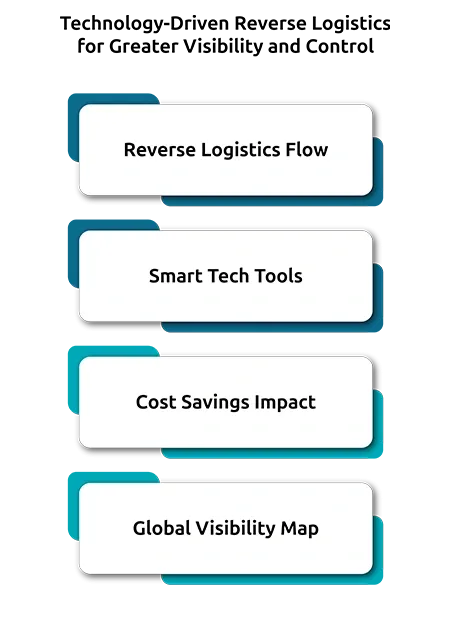
Technology is really important for making logistics operations better. It helps us see what is going on get things right, and get things done faster when people return things. We can use tools to track the equipment that people send back, like computers and see where it is all the time. This means we are less likely to lose things, and we can keep track of who has what. We can also use systems that help us keep track of all our equipment, see what needs to be fixed and figure out where we can use things again. We can do all of this from different places.
So companies can see what is going on in their supply chain. This means they can find the problems and make things better. They can even pick the routes for transportation. Companies can make decisions because they have the right information to support supply chain optimization. These new technologies help companies in a way. They can save money on operations. They can also get back more of their assets. This makes the whole process of logistics work better for industries like IT, aviation, medical and automotive industries. Supply chain optimization is really important for these companies.
Why Reverse Logistics Is Essential for Global Enterprises
For companies all around the world reverse logistics is a lot more than just handling things that people send back. It is a careful plan that helps these companies work better and be more successful in the long run. When companies fix, renovate or find uses for old computers and other very valuable things they can save a lot of money on buying new things and getting rid of old things, which helps them save money overall. Reverse logistics is very important for companies because it helps with logistics and makes these companies better, at reverse logistics.
So the company needs to protect business information. This is done by handling, moving and getting rid of devices with data on them in a way. The main thing is that a good reverse logistics plan helps businesses get the value from old equipment. They do this by making the equipment and getting value from things that are not used anymore.

Conclusion
Reverse logistics has become an important part of handle enterprise IT hardware. As businesses regularly upgrade, relocate, repair, & whole technology assets, having a trustable reverse logistics process helps ensure equipment is returned safely & manage efficiently. From secure transportation & asset recovery to refurbishment, recycling, & responsible disposal, every step plays a role in minimizing costs & securing valuable resources.
Did you know?
The global reverse logistics market was estimated at USD 872.6 billion in 2025. The market is expected to grow from USD 936 billion in 2026 to USD 1.75 trillion in 2035, at a CAGR of 7.3%, according to the latest report published by Global Market Insights Inc.
FAQ
What is reverse logistics for enterprise IT hardware?
Reverse logistics for enterprise IT hardware is the process of moving IT equipment such as servers, laptops, networking devices, and storage systems from offices, customer sites, or data centers back to repair, refurbishment, recycling, or disposal facilities. It helps businesses recover value from used equipment while ensuring secure handling.
Why is reverse logistics important for businesses?
Reverse logistics helps businesses reduce costs, recover reusable IT assets, protect sensitive data, improve asset tracking, and comply with environmental regulations. It also supports sustainability by reducing electronic waste through refurbishment and recycling.
What types of IT equipment can be managed through reverse logistics?
Reverse logistics services can handle a wide range of enterprise IT assets, including servers, desktops, laptops, storage systems, networking equipment, telecom devices, data center hardware, and other electronic equipment.
How does reverse logistics improve data security?
Before IT equipment is repaired, reused, or recycled, certified data erasure or physical data destruction is performed to remove sensitive business information. This helps protect confidential data and ensures compliance with security and privacy regulations.
How does reverse logistics support sustainability?
Reverse logistics extends the life of IT equipment through repair and refurbishment, promotes the reuse of valuable hardware, and ensures responsible recycling of electronic waste. This reduces landfill waste, conserves resources, and helps businesses achieve their environmental sustainability goals.