The Growing Complexity of Cross-Border IT Equipment Shipping
As companies grow and set up their computer systems in countries moving computer equipment around has become a very important part of how they work worldwide. This equipment includes things like servers and storage systems. Also networking hardware and the equipment used in data centers. Companies are relying more and more on shipping this equipment across borders to help with putting cloud systems in place upgrading technology and expanding their businesses. Shipping computer equipment from one country to another is not just, about picking it up in one place and dropping it off in another. There are a lot of rules and regulations to follow. Companies have to deal with things like filling out the right paperwork classifying their products correctly and following the import rules of each country.
Compliance errors can cause problems even if they are small. These errors can make customs take a time to process things and companies might have to pay penalties they do not expect. Sometimes shipments just get held up. This can mess up important projects. For companies operating in the IT, aviation, medical, and automotive industries, these delays can really hurt their schedules. They might not be able to make things when they need to. They might not be able to get things to their customers on time.
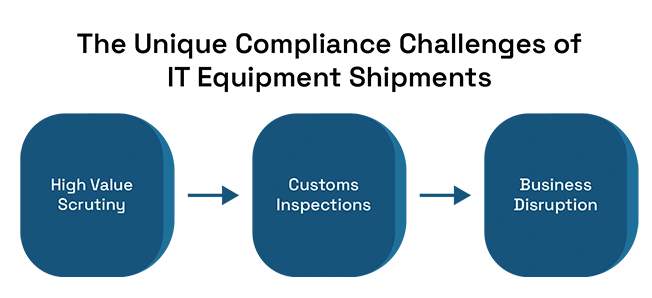
The Unique Compliance Challenges of IT Equipment Shipments
IT equipment is subject to greater compliance scrutiny because it often contains advanced technologies, sensitive electronic components, encrypted software, wireless communication capabilities, and high-value hardware that may fall under specific import and export regulations. Unlike standard commercial goods, products such as servers, storage systems, networking devices, and data center equipment frequently require detailed technical specifications, accurate product classification, and additional supporting documentation before they can cross international borders.
The businesses really look at these shipments to make sure the products are worth what they say they are and that they meet the technology rules of the country they are going to and that they follow all the trade rules. This means that even small mistakes, on the paperwork or forgetting to do something that is required can cause the shipment to be late and customs will inspect it and it will cost more and it will disrupt the work of the business.
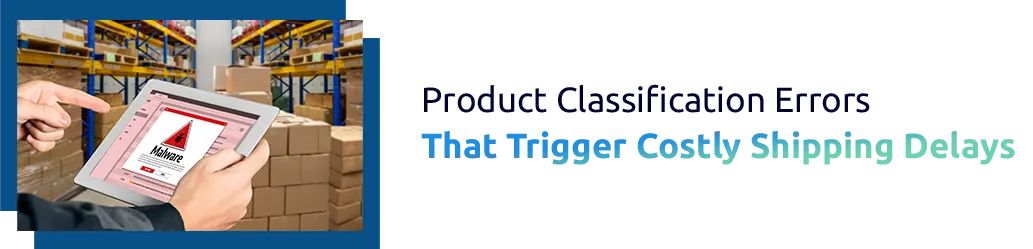
Product Classification Errors That Trigger Costly Shipping Delays
When shipping computer equipment a common mistake is not classifying products correctly and lacking necessary documents. Items like servers, storage devices, networking equipment and data center hardware have regulations. These rules determine the taxes you pay and the procedures to follow for importing them into the country. You must classify servers and storage devices correctly. Also networking equipment and data center hardware have their set of rules. Following these rules ensures shipping of computer equipment.
If you do not describe the products correctly or you use the code for them or you leave out important technical details your shipment might get inspected and held up at customs and this can cost you a lot of money. Documentation mistakes can really cause problems. They can slow down technology projects and make them take longer than they should. This can also increase the cost of running the business. To avoid these problems, companies should make sure that the paperwork for import and export, like invoices and lists of what’s being sent, is correct.
Creating a Compliance-First Shipping Framework
A compliance-first approach to shipping helps businesses find and fix issues before goods enter the global supply chain. This means making compliance a part of every step in planning a shipment. It starts with classifying products and valuing them correctly. Then it moves on to packaging, transportation and getting customs ready. By doing compliance companies can avoid problems down the line. It helps ensure that everything runs smoothly from start to finish.
When companies use documentation and optimize their supply chain they can really make a big difference. This is because they can also manage their inventory and orders in a way and they have people who know a lot about customs. They also use technology to follow all the rules. This helps companies see where their shipments are it helps them get through customs quickly and it makes sure that important equipment gets to where it needs to go without any problems.
Conclusion
Cross-border IT equipment shipping is not about moving products from one country to another. It needs an approach to rules, paperwork accuracy and knowing regulations. Mistakes like product classification, errors in valuation and incomplete paperwork can cause delays, penalties and problems for important business operations. For companies in IT, aviation, medical and automotive sectors having strong compliance practices helps in: Smoother customs clearance, Better supply chain optimization, Improved shipment reliability. This helps businesses to expand with confidence, in their IT equipment shipping.
DID YOU KNOW
“Data privacy refers to the appropriate handling, processing, storage, and usage of personal information, particularly in ways that respect individuals’ rights and freedoms in the digital environment.”
FAQs
Why is my IT equipment stuck at customs?
The main reason for delays is paperwork. Customs authorities need descriptions, on your Commercial Invoice. Incomplete documentation causes hold-ups.
What are HS codes, and why do they matter?
The Harmonized System (HS) code is an internationally standardized system of numbers used to classify traded products. Misclassifying IT equipment can lead to incorrect duty payments or penalties for underpayment.
Do I need an Importer of Record (IOR)?
You need an Importer of Record unless you have a company in the country where you are sending things that can act as the Importer of Record. The Importer of Record is in charge of making sure that the things you are sending into the country follow all the laws.
Are there special rules for shipping laptops and servers?
Yes. Laptops and servers have lithium-ion batteries. These batteries are considered hazardous. So there are rules for shipping them. You must follow shipping laws. You also need to put labels on the box.
What are the rules for used or refurbished IT assets?
Countries have rules for IT equipment. These rules are, about waste and the environment. You may need to show proof that data has been erased. You may also need to prove that the equipment is not waste that is banned.