Overview
Importing networking devices to Mexico involves navigating strict customs regulations, tariffs, and efficient logistics. This blog highlights the key aspects businesses need to understand for smooth imports. From Mexican import laws and documentation to tariff management and selecting the best freight forwarding options, this guide covers the fundamentals for successful import operations of networking equipment.
Mexican Import Regulations for Networking Devices
Strict import policies in Mexico strive to protect the country’s consumers and preserve market integrity. The network equipment must be categorized appropriately using the Harmonized System (HS) or the Harmonized Tariff Schedule (HTS). This classification determines tariffs and standards of compliance. Most of the devices must be certified by Norma Oficial Mexicana (NOM), which ensures safety and quality. Though there are exemptions for U.S. and Canadian goods under the mutual recognition agreement, other countries require complete adherence to import requirements. To avoid delays and penalties at customs, the importer must be registered with the Mexican tax authorities, and a valid RFC tax ID must be supplied to make the process efficient and effective.

Customs Duties and Tariff Management
Most of the imported networking devices will attract an aggregate tariff and value-added tax (VAT) of 19% since January 2025. The tariffs depend on the origin of the device & trade agreements such as the US-Mexico-Canada Agreement (USMCA) or the Generalized System of Preferences (GSP). The correct tariff classification through HS codes and full importation documentation guarantees the correct calculation of duties and avoids bad surprises. The licensed customs broker has a crucial role because they take the importer through customs declaration and comply with regulatory changes in Mexico.
Freight Forwarding and Shipping Terms
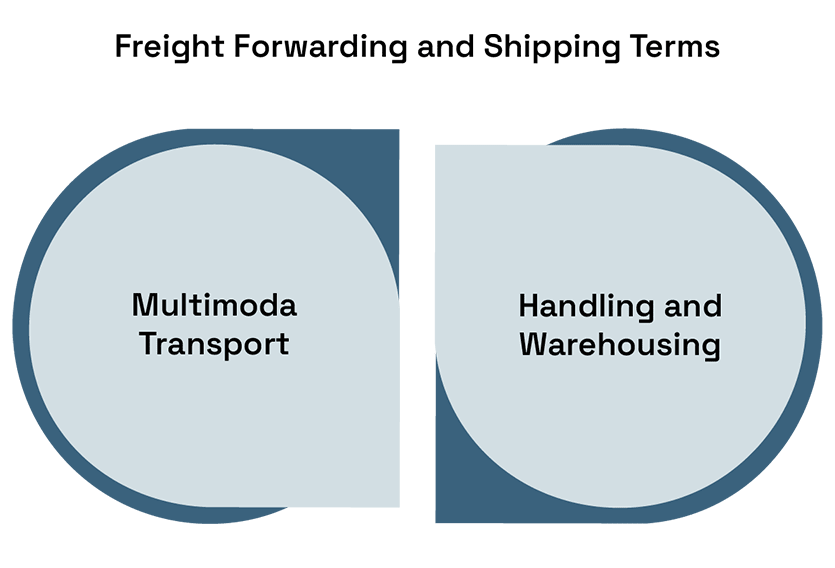
The transfer of networking equipment across borders effectively depends on the services of freight forwarding experts. Multimodal transport- air, sea, and land- is synchronized to provide optimal cost and delivery speed. By using Delivery Duty Paid (DDP) terms, the importing duties and clearance are transferred to the seller, making the delivery procedure easier and the workload of the buyer smaller. Freight forwarder oversees the process of handling and warehousing, as well as compliance paperwork, to ensure that the goods are received in a safe and untouched state and on time.
Major Import Hubs in Mexico
Key cities serve as major import hubs, facilitating the distribution of networking devices throughout Mexico and beyond. Nuevo Laredo is the primary land gateway into Mexico from the United States, known for its extensive customs facilities and quick processing. Colton, California, handles significant freight volumes destined for Mexico via rail and road. Dayton, New Jersey, and Jamestown, New York, are major U.S. logistics hubs that function as forwarding points for networking equipment inbound to Mexico. These hubs provide sophisticated infrastructure, warehousing, and logistics services supporting efficient import operations.
Integrated Warehouse management & white glove delivery services of networking devices in Mexico
The warehousing industry in Mexico is fast developing, as sophisticated Warehouse Management Systems (WMS) are becoming a standard practice. They automate inventory tracking, facilitate order fulfillment, follow the bonded warehouse rules, offer secure storage, and have better control over sensitive networking hardware. WMS also speeds up the delivery times and customs clearance by linking with transportation logistics.
Meanwhile, white glove delivery service offers special care to delicate and precious networking equipment. Specialized packaging, real-time shipment tracking, and professional on-site delivery are only some services that minimize the risk of damage and ensure that goods will be received in their working condition. White glove logistics and advanced warehouse management easily have a dependable solution that secures networking equipment during the importation stage, which offers efficiency and comfort to businesses in the country importing to Mexico.
Navigating Import Compliance Changes in Mexico
The import laws in Mexico are constantly changing due to trade policy reforms and more frequent monitoring. New developments incorporate the increased documentation requirements, required electronic invoicing, and increased enforcement of tariffs.
Compliance means frequently renewing import documents and certifications and applying trade compliance expertise to anticipate the alterations. With the example of the importer of networking devices, the key to ensuring constant supply chains is being aware of these changing rules and avoiding costly customs detentions or penalties.
The Advantages of Cross-Border Logistics
Due to its proximity to the North American markets, Mexico is emerging as one of the preferred locations to import IT equipment, including networking devices. It helps companies in reducing shipping durations, enhancing communication, and working more effectively. Mexico also provides skilled labor, decreased prices, and a favorable business climate, so it is smart to establish companies with advanced technical equipment locally. The benefits enable the businesses to save time and money & address the client’s needs in a shorter period.
Conclusion
Importing networking devices into Mexico requires a strategic grasp of regulatory compliance, tariffs, logistics, and supply chain management. Precise HS code classification, NOM certification, and strong collaboration with customs broker and freight forwarder under DDP terms are essential to success. At One Union Solutions, we provide tailored, comprehensive import services designed for Mexico’s unique regulatory environment. Our expertise in customs clearance, warehousing, and white glove delivery ensures your networking devices arrive securely and timely. With our global network and local insight, importing becomes simple, reliable, and business-focused.
Did You Know,
Mexico’s warehouse management systems market is expected to grow by over 26% annually through 2033, driven by digital logistics and e-commerce expansion.
FAQ’s
What certifications are mandatory for network device imports in Mexico?
Most require NOM certification; exceptions include products from the U.S. and Canada under mutual recognition.
How are tariffs applied to networking devices?
Tariffs plus VAT usually total around 19%, varying by tariff codes and country of origin.
What does the DDP shipping term imply for the importer?
DDP makes the seller responsible for all import duties and customs clearance for smooth delivery.
Who can legally act as Importer of Record in Mexico?
Only entities with an RFC tax ID and physical address in Mexico can fulfill IOR duties.
Does white glove delivery include setup services?
Yes, white glove services offer unpacking, installation, and careful handling onsite.