The Growing Need for Raw Materials in the EV Industry
The electric vehicle (EV) market is quickly growing across multiple nations. Electric vehicles are more in demand since they provide a cleaner way of transport. Many countries are also supporting people to buy electric vehicles in order to reduce carbon emissions and reach net-zero goals. The need for important raw materials increases as the need of EVs built rises. These materials are required for the production of batteries and energy storage systems. Without them, it is difficult to create EV batteries and maintain the fast-growing electric vehicle market.
This has started a global race for raw materials. Countries and companies are working to secure enough supplies and build stronger battery supply chains to follow future EV demand.
How the Global Electric Vehicle Market Is Changing Transport Method
More people choose electric vehicles for daily travel, the global electric vehicle market is growing fast. Increasing EV sales are increasing demand for electric vehicles while also helping reduce carbon emissions.
Many nations are supporting EV carrying by providing charging stations and financing clean transportation programs. More people are buying electric vehicles because they are simple to use and cost less to use. This growth is changing the vehicle industry. To fulfill increasing demand, many automotive companies are increasing up EV production. Electric vehicles are becoming more common, and improve EV technology, battery performance, and driving range increases. As more people use EVs, transportation across the globe changes, providing them new opportunities in the automotive industry and battery supply chains.
Innovations Reducing Dependence on Critical Raw Materials
Businesses are looking for different ways to reduce the demand of important raw materials as the electric vehicle market grows. Modern battery technology improves battery performance, energy storage, and efficiency. Companies are creating new battery solutions that use parts more efficiently and add to the growing need for EV production. These changes can help reduce stress on raw material supply chains and make battery development more easier. Battery recycling is also becoming an important part of the EV business. Used batteries can be handled to recover important battery parts, which are then reuse in new battery production. This helps to reduce need for new activities. By mix battery technology, recycling, and smooth use of products, this industry can improve supply chains and support electric vehicle future growth.
Strategies for Building Resilient EV Supply Chains
Companies are focusing on developing strong and stable EV supply chains as demand for them grows. One important method is to change supply sources, which means using various supplier networks rather than depend on one provider. This helps to reduce risk and maintain an even supply chain. Businesses are increasingly use local sourcing methods and creating long-term supply chain partnerships with suppliers. This makes sure there is a constant and secure supply of important supplies required for EV production and battery production. At the same time, many countries are increasing their local industrial activities. This includes producing batteries locally, developing processing facilities, and increasing supply chain localization. These methods help reduce depend on imports while also improving overall supply chain strength. The EV industry may create a more reliable and safe system for future growth by improving sourcing methods, improving supplier networks, and local production.

Future Outlook: EV Growth and Raw Material Challenge by 2030
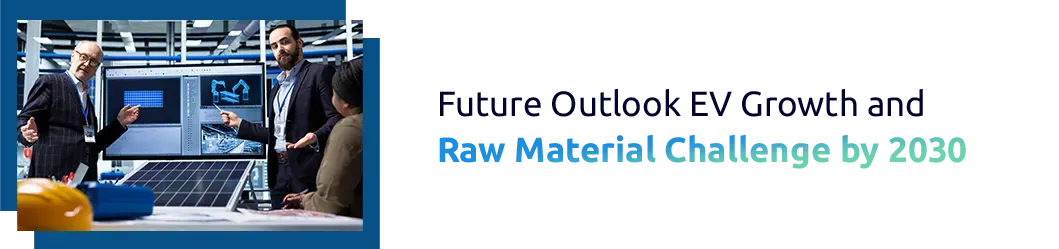
By 2030, the electric vehicle (EV) market is going to develop quickly, as will EV production. This will result in high demand for basic raw materials, and there may be supply shortages because supply does not completely match demand. Global market trends show strong EV adoption, however limited raw material availability can put stress on the supply chain. To manage this, One Union Solutions combines better sourcing, recycling, and modern technology in one system to improve supply. At the same time, new material-efficient batteries and new resources alternatives are being developed to use fewer resources and improve performance. These changes will help the EV industry grow in a more stable and sustainable way in the future.
Conclusion
The electric vehicle boom is growing fast, increasing demand for important raw materials. As more people choose EVs, strong battery supply networks become important. To make sure smooth and reliable production, supply chains must be secure and reliable. To support this growth, new ideas, battery recycling, and safe sourcing are important. These help reduce the stress on limited resources and make the system more balanced. A One Union Solutions method, which includes better planning, recycling, and modern technology, can help in handling demand and supply. The race for raw materials will impact the future of electric vehicles by making it more sustainable and reliable.
Did you know
EV demand for battery raw materials is expected to increase by 500%–700% by 2030 as electric vehicle sales grow worldwide.
FAQ
Why do electric vehicles need critical raw materials?
EVs need critical raw materials to store energy and power the vehicle properly. These materials help the battery work efficiently and support better driving range and performance.
Will new battery technology reduce the need for these materials?
Yes. New battery technologies like LFP and solid-state batteries can reduce the use of some limited materials and improve battery performance.
What are the main supply chain problems for EV raw materials?
The main problems are limited mining, political issues between countries, environmental concerns, and lack of processing capacity.
Why are EV batteries highly dependent on raw materials?
Because these materials are needed to store energy and help the vehicle run longer and perform better.
How does One Union Solutions help EV supply chains?
One Union Solutions supports smooth global shipping, customs handling, and international movement of raw materials used in electric vehicle production.