The Rise of Green Trade Barriers: What Global Industries Need to Know
Global trade is entering a global shift trade where environmental rules and sustainability requirements are becoming key factors in cross-border commerce. Governments across the world are introducing carbon regulations, stricter environmental standards, and stronger reporting systems to promote responsible trade practices. These evolving policies are creating new compliance challenges for businesses, commonly known as green trade barriers.
For industries dealing with medical equipment, IT infrastructure, telecom equipment, automotive components, & aviation technologies, insight into these changing rules has become important. Companies that are unable to adapt may experience customs delays, higher operating expenses, and disruptions to international freight forwarding operations.
Why Are Green Trade Barriers Increasing?
Countries are adopting environmental regulations to encourage lower emissions and support environmentally responsible production practices. Regulations related to carbon footprint reporting, recyclable materials, energy efficiency, & supply chain clarity are becoming increasingly important.
As a result, importers and exporters are required to address not only conventional customs procedures but also evolving environmental compliance requirements.
Can Sustainability Regulations Delay International Shipments?
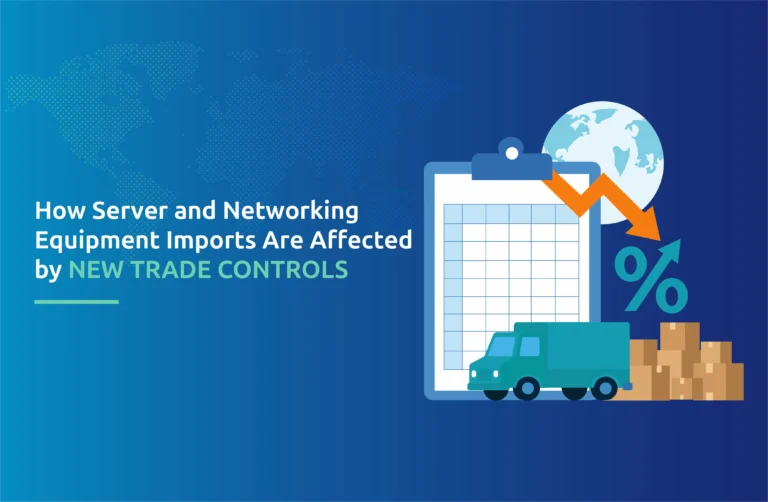
Yes. Increasing green compliance requirements can directly affect customs clearance procedures & add new layers to import & export documentation. Companies shipping valuable products in the medical equipment, aviation, IT, & data center sectors may experience delays if shipments do not meet or carbon reporting duties. In some markets, buyers are also demanding sustainable packaging & greater supply chain transparency, making regulatory compliance more complex than ever. Businesses are therefore utilizing green logistics practices, utilizing in-transit warehousing services, & enhancing freight forwarding operations to maintain shipment efficiency. In addition, Delivered Duty Paid (DDP) services and effective customs clearance procedures help businesses minimize trade risks and ensure the smooth cross-border transportation of specialized equipment.
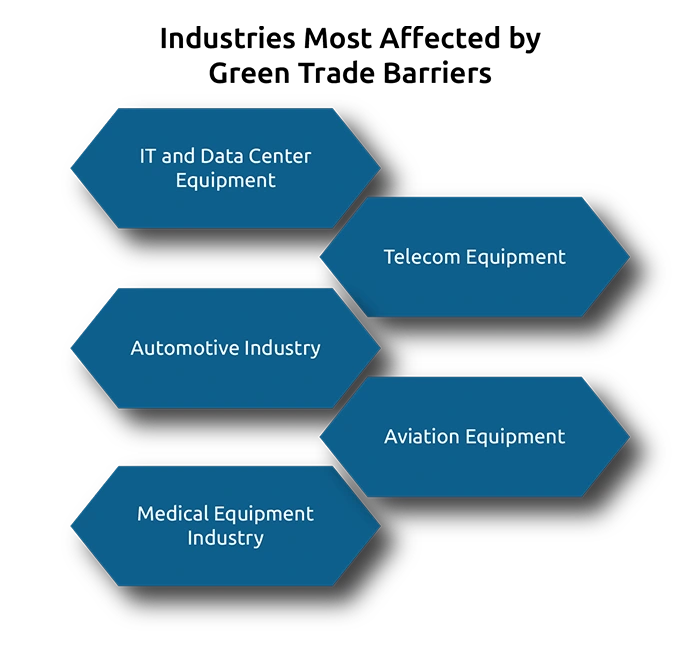
Industries Most Affected by Green Trade Barriers
Medical Equipment Industry
Medical equipment producers must comply with environmental rules while maintaining strict quality standards. Additional environmental documentation can affect international shipping schedules and import procedures.
IT and Data Center Equipment
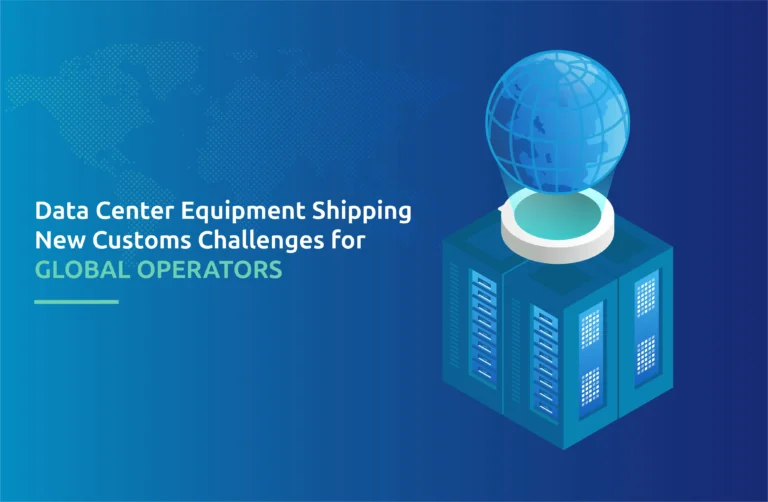
The growing demand for energy-efficient technologies has increased regulatory monitoring. Companies exporting servers, networking devices, & semiconductor-related products must address evolving sustainability requirements.
Telecom Equipment
Telecommunications systems often contain specialized electronic components. Green rules related to material sourcing & product lifecycle management are becoming increasingly important.
Automotive Industry
The Automotive industry is facing stricter carbon reduction targets & environmental compliance requirements. Supply chain optimization & compliance management are now important for maintaining seamless trade.
Aviation Equipment
Aviation supply chains rely on highly specialized parts & strong regulatory standards. Green compliance rules are adding another layer of complexity to global logistics operations
Emerging Green Trade Risks for Exporters
In addition to mechanisms such as CBAM, evolving environmental trade requirements are creating new challenges for exporters worldwide. Several importing countries are incorporating environmental considerations into tariff structures, import duties, and future market access requirements, leading to higher compliance costs and increased demand for supply chain optimization. Businesses that depend on traditional production methods or conventional sourcing strategies may face difficulties related to carbon reporting, energy efficiency, and environmental certifications. Exporters may also experience delays as importers increasingly prefer low-emission suppliers & seek greater clarity throughout the supply chain, including Delivered Duty Paid DDP services, shipment management, & environmentally responsible packaging. These developments highlight a shift from price competition toward compliance-based qualification in global trade.
How Green Trade Barriers Are Reshaping Global Supply Chains
Green trade challenges are changing the way companies manage international supply chains. Businesses are increasingly focusing on supplier growth, energy-efficient packaging, & greater clarity across freight forwarding operations to meet changing compliance requirements. Regulatory compliance is becoming a strong requirement rather than an optional practice, specifically for industries dealing with medical equipment, IT infrastructure, telecom systems, automotive components, & aviation technologies. As environmental responsibility standards continue to develop, companies that invest in customs expertise, supply chain optimization, & effective logistics approaches are better placed to minimize delays & maintain their footprint in global markets.
How Companies Are Adapting
To address these challenges, companies are increasingly expanding their supply chains to reduce reliance on a single region. Businesses are also investing in digital technologies such as logistics management software, real-time shipment tracking, & digitizing freight forwarding systems to improve visibility & working productivity.
At the same time, experienced freight forwarding services are becoming more valuable in helping organizations navigate changing rules and minimize delays. Many companies are also depending on Importer of Record & Exporter of Record services to manage regulatory duties & enables smoother customs clearance. Furthermore, Delivered Duty Paid solutions are helping businesses simplify global transactions by managing duties, taxes, & customs duties, overall improving cost stability & improving the customer experience.
Building Resilient Supply Chains
As environmental rules continue to develop, companies are focusing on building stronger supply chains to minimize delays & maintain operational effectiveness. By combining freight forwarding, customs clearance services, warehousing & delivery solutions, & supply chain improvement approaches, businesses can improve adaptability & respond more efficiently to regulatory changes. Additionally, real-time shipment tracking & data-driven decision-making enable organizations to improve visibility, reduce delays, & ensure the smooth movement of high-value goods across global markets.

Conclusion
The rise in green trade barriers is transforming global commerce & creating new regulatory challenges for specialized industries. Businesses operating in medical equipment, IT, telecom, automotive, & aviation sectors must actively adapt to shifting environmental regulations. With the right customs expertise, freight forwarding solutions, Importer of Record (IOR) services, & Delivered Duty Paid DDP approaches, companies can overcome regulatory challenges & maintain effective global trade activities. As environmental compliance continues to develop, organizations that invest in robust supply chains & compliance readiness will be better positioned for long-term success with One Union Solutions.
Did You Know?
In 2026, the Carbon Border Adjustment Mechanism (CBAM) will require importers to pay for the embedded carbon emissions of selected goods entering the European Union, making environmental compliance a key part of global trade
FAQ
What are green trade barriers in international trade?
Green trade barriers refer to environmental and adherence requirements introduced by governments that can impact imports, exports, & the customs process. These calculations are designed to reduce emissions, support eco-friendly production methods, & improve clarity across global supply chains.
Which industries are most affected by green trade barriers?
Medical equipment, IT hardware, telecom infrastructure, automotive components, & aviation equipment sectors are among the most affected. These industries often deal with complex supply chains, strong quality standards, & cross-border logistics, making them more critical to changing environmental rules & documentation requirements.
How do green trade barriers impact customs clearance?
Additional documentation requirements, carbon reporting requirements, & compliance checks may increase customs processing time. In some cases, shipments may face delays if they do not fully meet regulatory standards in the endpoint country.
Why are Importer of Record IOR services becoming more important?
IOR services are becoming important as they help businesses manage regulatory responsibilities in foreign markets. They simplify cross-border trade by managing compliance, import documentation, & customs clearance, ensuring smoother global operations & reduced operational load.
Can Delivered Duty Paid DDP solutions help reduce trade complexity?
Yes. DDP services simplify global shipping by handling duties, taxes, customs clearance, & final delivery on behalf of the exporters. This helps businesses improve cost reliability, reduce trade risks, & makes sure a smoother experience for global buyers.