Why Large Hardware Deployments Need an Import Strategy Large data center deployments can involve hundreds of SKUs with different classifications, values, specifications and destination requirements. GPU servers may also require…
A failed server, network switch, storage unit, or other IT network can create a second customs challenge after the original purchase. When equipment is replaced under warranty or returned through…
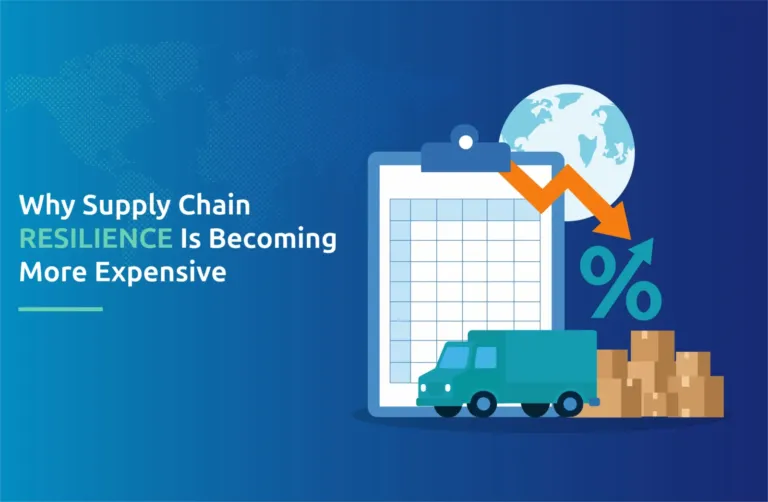
Overview Switching suppliers can look like a simple business decision. A company may find a better price, improved product quality, faster production, or a supplier closer to its target market….
Introduction Redundancy in the supply chain relates to having backup plans in case the main supply route is stopped. These could be more services, backup suppliers, extra stock, & different…
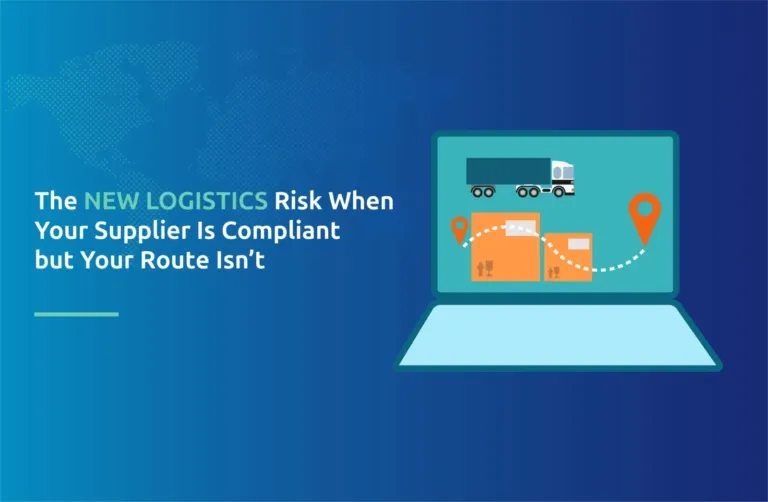
A supplier can follow all the rules & still have a shipment delayed because of the route it takes. Today, international shipments often pass through some countries before reaching the…
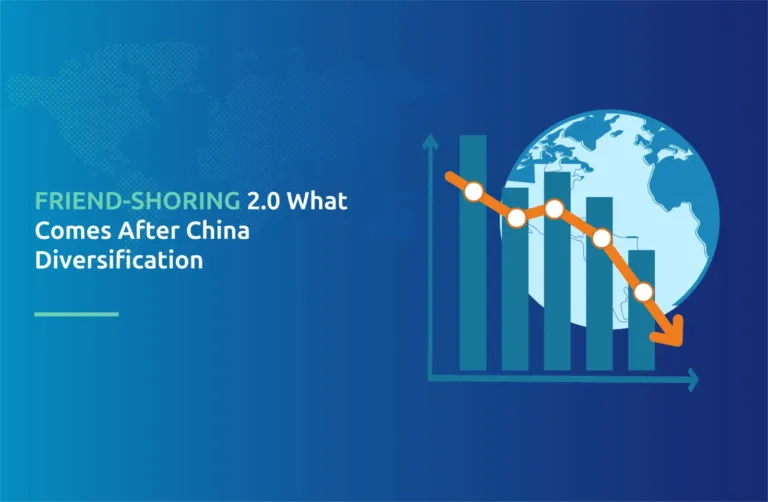
Overview For years, companies used China Plus One to minimize reliance on a single production base. The plan was practical: keep essential capacity in China while adding production or buying…
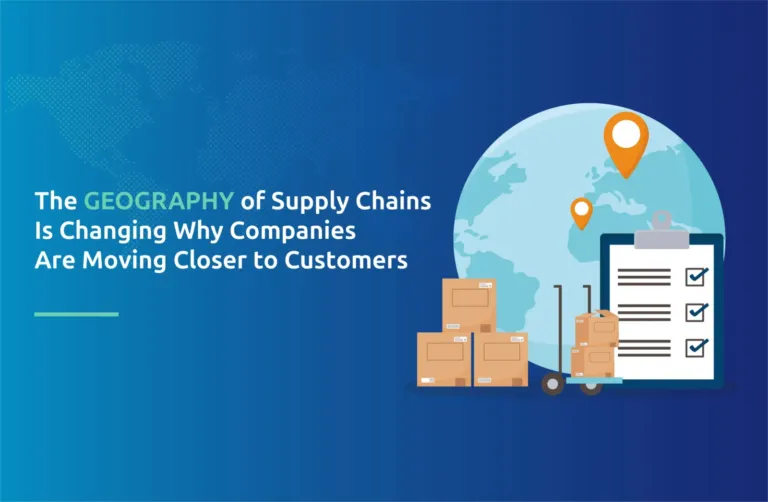
Introduction Supply chains are changing as companies consider where they source, manufacture, and store goods. Businesses are being moved into flexible networks by political issues, tariffs, trade risk, transportation delays,…
Supply chains have changed mainly in recent years. Many companies focused mainly on minimizing costs. In order to send goods fast and effectively, they used established shipping routes, kept inventories…
Introduction Delays in customs can happen before to a shipment reaching at the border. Clearance problems may result from the wrong HS code, a missing document, an incorrect customs value,…
Introduction The race to build advanced computing network is no longer only about securing powerful processors. Increasingly, the bigger challenge is finding enough electricity to operate the facilities that house…
A product no longer has to be made in just one country. Today, a single piece of business equipment can pass through some countries before reaching its final location. Components…
Introduction Battery-powered products are becoming part of almost every modern supply chain. Laptops, medical equipment, industrial tools, electric vehicles products, data-logging devices, consumer electronics, & many other products now depend…