Introduction
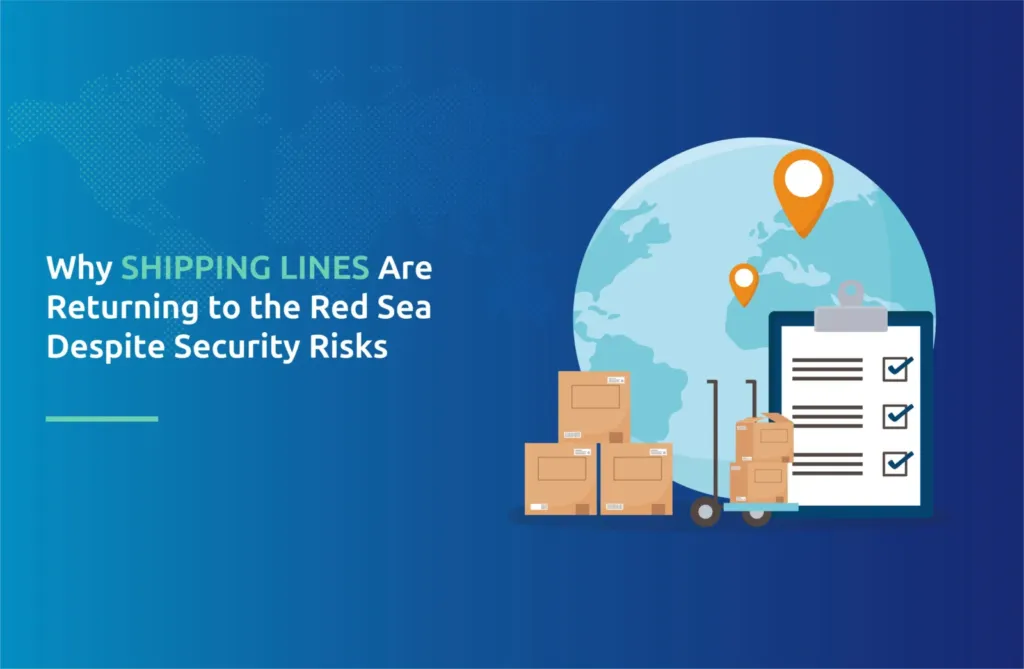
Shipping lines had changed multiple ships away from the Red Sea shipping route because of attacks and safety issues, making operations difficult. Because the route can offer reduced travel times and help control ship capacity and network traffic, certain carriers are returning specific services via the Red Sea and Suez Canal. Red Sea security risks haven’t, however, going away. Therefore, before changing their shipping routes, carriers balance security, travel time, shipping capacity, and operating costs. The travels is not completely secure only because you are going back to the Red Sea.
Why Did Shipping Lines Move Away From the Red Sea?
Houthi Attacks Changed Red Sea Shipping
Attacks on commercial goods created serious safety concerns in the Red Sea. Shipping companies had to consider risks to ships, crews and cargo. Many carriers therefore stopped using the Suez Canal route and looked for safer alternatives.
Why Carriers Started Using the Cape of Good Hope
Around the southern African Cape of Good Hope, many container shipping companies started delivering ships. This increased the travel distance but helped them avoid the Bab el- Mandeb area.
The Cost of Longer Shipping Routes
The longer route means more sailing days, higher fuel use and greater pressure on ship capacity. It can also affect arrival schedules, container availability and freight costs.
Why Are Shipping Lines Returning to the Red Sea?
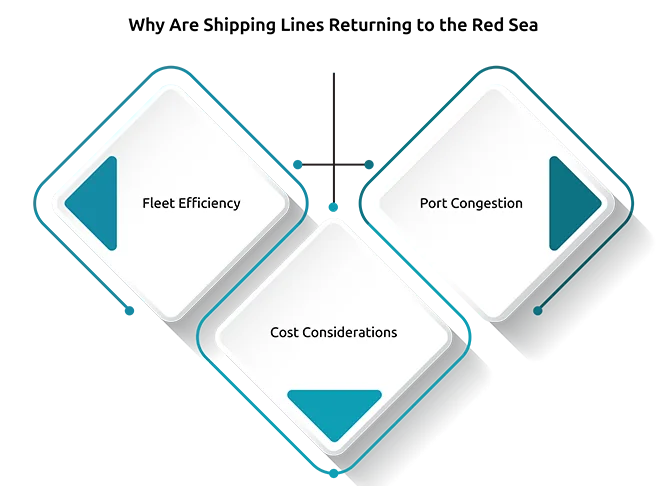
For ships travelling between Asia and Europe, the Suez Canal route is nearly quicker than crossing the Cape of Good Hope. A faster route can help carriers make better use of their ships and reduce travel time. Longer voyages around Africa keep ship at sea for more days, which can reduce available container capacity across shipping networks. Port congestion is also adding pressure to global shipping operations. When ships and containers spend more time moving between ports, schedules can become harder to manage. Using the shorter Red Sea shipping route can help carriers improve shipping rotations, manage fleet use and maintain service schedules where conditions allow.
Shipping lines are also making route decisions based on current conditions rather than treating the return as permanent. They may consider Red Sea security, ship movements, port conditions, operating costs and network needs before sending a service through the Suez Canal.
Is the Red Sea Safe for Commercial Shipping Again?
There remain safety risks even when some shipping companies returned to the Red Sea. Security conditions are affected by sudden shifts, and the Bab el-Mandeb Canal remains an important and sensitive shipping point. Decisions over Red Sea shipping remain affected by Houthi activity and larger regional issues. Based on its ship, crew, cargo, and operating goals, every ship can also evaluate travel in a different way.
Risks can include attacks on ships, drone threats, and concerns about crew and cargo safety. Regional military activity can also change the situation without much notice. For this reason, carriers continue to monitor current security information and may change their shipping routes when conditions require it.
How Security Risk Is Changing Shipping Route Decisions
Shipping companies are keeping their route planning flexible because conditions in the Red Sea can change. They may use the Suez Canal when conditions allow and return to the Cape of Good Hope if risks increase. The return is also happening in stages. The company have added some services through Suez instead of moving their full networks back at once.
Before choosing a route, carriers consider the ship, cargo, destination, crew safety, insurance and current security information. This means different carriers may take different approaches to Red Sea transit.

What Does the Red Sea Return Mean for Global Supply Chains?
Due to the longer Cape of Good Hope route, a return to the Suez Canal route can reduce the transit time between Asia and Europe. This may also change where ships and containers are available across different trade lanes. Businesses could see changes in ship schedules, port calls, arrival dates, container availability and transshipment plans.
For importers, the route used by a carrier should not be treated as fixed. Red Sea shipping conditions can change during a shipment, so companies should keep some flexibility in delivery plans and monitor carrier updates.
How the Red Sea Situation Can Affect Freight Planning
Changes in the Red Sea shipping route can affect more than the sailing time. Businesses may need extra time in their plans, check container availability and keep alternative ports or routes ready. Inventory levels and customs planning should also match possible changes in arrival dates and delivery schedules.
For IT equipment, data-center equipment, aviation parts and other time-sensitive cargo, even a route change can affect installation dates or critical spare parts. Companies handling project cargo should therefore leave enough time between the expected arrival and the final deadline.
Conclusion – Why Shipping Lines Are Returning to the Red Sea
Because it gives a faster route between Asia & Europe, the Suez Canal route is still important. Ship pressure, fuel usage, and travel time can all increase with the longer Cape of Good Hope route. These factors are encouraging some carriers to restart selected Red Sea services. However, security concerns remain, so shipping companies continue to watch conditions and adjust routes when needed.
Did you Know
The Red Sea–Suez corridor handles ~10–15% of global trade, making it one of the world’s most critical shipping arteries.
FAQ
Why are some shipping lines returning to the Red Sea?
Going around Africa would take more time than using the Suez Canal. By using it, carriers can handle ships and containers more effectively and reduce ship times.
Why does the Cape of Good Hope route affect ship capacity?
The longer journey keeps ship at sea for more days. This can reduce the number of ships available for other services.
Which shipments may need extra planning during Red Sea disruptions?
Time-sensitive cargo such as IT equipment, data-center hardware, aviation parts and critical spare parts may need more delivery-time flexibility.
Why do carriers return to selected Red Sea services instead of all services?
A gradual return allows carriers to review individual routes and current security conditions before making wider network changes.
Can the Red Sea situation affect Asia–Europe shipments?
Yes. Changes between Suez and the Cape of Good Hope can affect transit times, vessel schedules and container planning on Asia–Europe routes.