Introduction
Reverse logistics can be defined as handling the returns and equipment that move in the opposite direction of the supply chain, as compared to the normal direction of products. Reverse logistics have been used in IT/data center management, aviation, automobile, and healthcare equipment management. The management of returns and recovery of the assets is cost-efficient, monitored, and timely, which is aimed at being optimized with efficient reverse logistics supply chain management.
The increasing relevance of reverse logistics in the airfreight sector for specialized equipment is significant.
As the world has become e-commerce and global trade-oriented, it is now important to manage returns for complex equipment like avionics, data servers, medical equipment, and auto parts. Airports and air freight centers worldwide are evolving their approach to reverse logistics, as they must not only manage equipment returns but also improve the speed and efficiency of this process to enhance customer satisfaction. With the integration of time-sensitive deliveries becoming the new standard, reverse supply chain agility in air transportation provides business continuity and the availability of equipment.

Major advantages of streamlining reverse logistics for Businesses
Optimization of reverse logistics minimizes expenditure in storage and disposal of the equipment by recovering stock in inventory and recycling used equipment. It also promotes sustainability by reducing the waste and carbon footprint associated with unnecessary manufacturing cycles. Furthermore, efficient reverse logistics will improve the process of tracking the assets and minimize the equipment downtime in both the IT/data center and healthcare facilities, since it will be easier to repair and redistribute the equipment promptly.
Opportunities and threats in Air freight and Solutions in Reverse Logistics.
Reverse logistics for air freight face challenges such as a complicated return system, high transportation costs, and international regulations. Specialized equipment requires special care and a lot of coordination between warehouses, customs, and air transport providers. To cope with these issues, it is necessary to have integrated logistics management, advanced tracking systems, and the powerful use of customs duty to facilitate returns without delays.
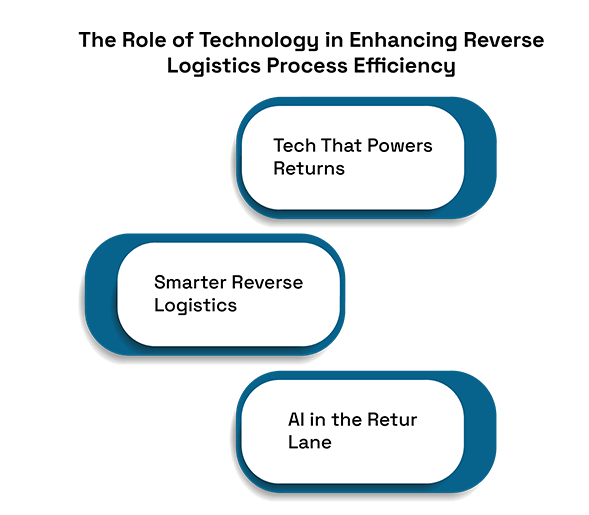
The Technology in Reverse Logistics Process Efficiency
Technologies such as AI and machine learning can be utilized to perform predictive analytics that improve the forecasting of product returns and optimize the routing of shipment returns. The use of automated logistics software enhances last-mile and warehousing, decreasing the time of handling sensitive medical devices and aviation equipment. The modern warehouse management systems (WMS) provide consolidation and safe storage; the state of the assets is preserved throughout the process of reverse logistics.
The environmental impact and sustainability of a good reverse logistics strategy
The reverse supply chain provides green logistics solutions that minimize the waste disposed of in landfills by facilitating the refurbishment and recycling of the worn-out or damaged equipment. Air freight practices that are sustainable aim at minimizing emissions through efficient routes and freight management. The inclusion of sustainable reverse logistics will balance operational efficiency & environmental concern, which is beneficial to both businesses and society.
A market intelligence point of view on equipment, air freight, and reverse logistics
According to the latest market study, the air freight sector will grow tremendously because of the enhanced cross-border trade in advanced equipment in the IT/data centers, automobiles, healthcare, and aviation sectors. Airports are still improving infrastructure and integrating high-tech cargo management to process forward as well as reverse returns smoothly to deal with supply chain disruptions across the world. Such developments highlight the importance of reverse logistics in ensuring that the supply chain is agile and resilient.
Conclusion
Reverse logistics is the second future of optimized delivery, about specialized equipment. At One Union Solutions, we specialize in providing complete logistics solutions, and we are bent on using the new technology and green activity to enhance the reverse supply chain management. The concentration ensures a reliable supply of equipment, reduces costs, advances environmental goals, and enhances delivery systems to meet the future.
Did You Know,
In 2024, world airports took a total of over $124 million tons of air cargo, and the rate of increase over the previous year was 8.4 percent. This growth is particularly marked by higher exports of these types of special-purpose equipment segments, such as aviation and healthcare, that can be attributed to the need to have rapid and reliable air freight services.
FAQ’s
What is reverse logistics with air freight?
The air freight reverse logistics is used to handle the return, remake, and redistribution of specialized equipment such as IT/data center equipment, airplane components, automobile components, and medical equipment via the supply chain.
What is the significance of reverse logistics for IT and healthcare equipment?
It increases equipment availability by accelerating returns and repair times and minimizes waste and the supply chain, which is important for sensitive and more valuable devices.
What is the effect of technology on enhancing reverse logistics?
The AI is used to predict returns and optimize routes, and logistics programs and drones accelerate processing and delivery, ensuring the quality and safety of equipment.
What are the problems with reversing logistics for specific equipment?
The process may be slowed by complex return procedures, customs requirements, and expensive transportation fees. The way to overcome them is to ensure effective coordination and management of duties.
What is the contribution of reverse logistics to sustainability?
The reverse logistics help in green supply chain operations by encouraging equipment reuse, refurbishment, and recycling, which reduces landfill waste and carbon emissions.
Does reverse logistics lower the total supply chain expenses?
Yes, through maximization of returns and recovery of assets, businesses save on storage, disposal, and the costs of purchasing new equipment.