Why AI Infrastructure Projects Depend on Global Trade Compliance
Artificial intelligence is driving a new era of digital transformation, prompting organizations across industries to invest heavily in AI-ready infrastructure. From hyperscale data centers and cloud platforms to edge computing facilities, the demand for high-performance AI servers, GPUs, storage systems, and networking equipment continues to rise. As businesses expand AI capabilities worldwide, these advanced hardware components are increasingly being shipped across international borders to support new infrastructure projects.
When you are setting up an intelligence infrastructure it is not just about getting the latest technology. You also have to think about getting the equipment from one country to another. This means you have to follow a lot of rules and regulations about importing things and you have to do a lot of paperwork. Each country has its rules, for trading with other countries and if you do not follow these rules it can cause a lot of problems and delays. That is where a service called Importer of Record comes in. This service helps make sure that you are following all the rules and that you can get your intelligence equipment through customs without any problems. Artificial intelligence hardware can be moved from one country to another without any issues.
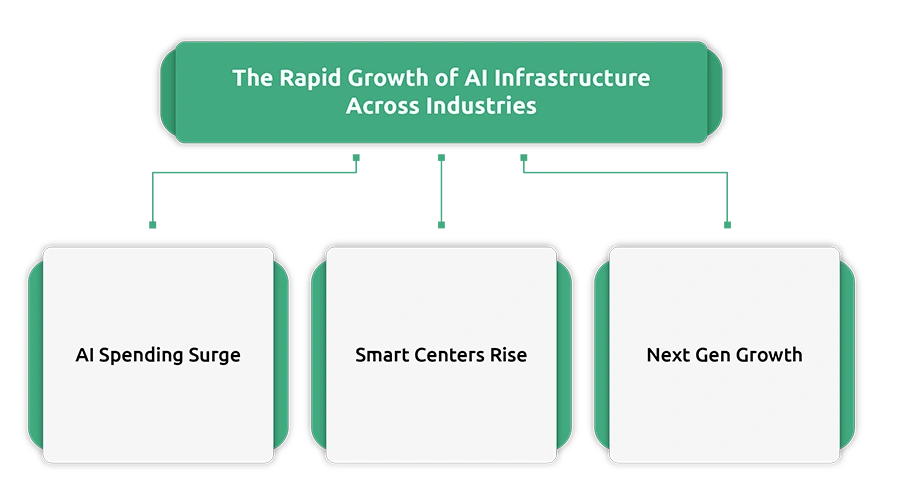
The Rapid Growth of AI Infrastructure Across Industries
The use of intelligence is becoming really popular and this is making companies invest a lot of money in artificial intelligence infrastructure all over the world. Companies are making artificial intelligence data centers with strong computers, good storage systems and networking solutions that can be used by many people at the same time to help with machine learning, generative artificial intelligence and looking at data in real time. At the time Edge artificial intelligence is making data processing faster by putting the intelligence where the data is made which reduces the time it takes to get the information and makes things work better. Companies are using intelligence in many industries, IT and data center, automobile, and aviation to predict when things might go wrong and make their operations better.
How Importer of Record Services Support AI Infrastructure Deployments
An Importer of Record Service is really important for making sure that artificial intelligence infrastructure projects go well when they cross country borders. When we talk about intelligence servers, groups of graphics cards, storage systems and networking equipment they often have to deal with very strict rules about what can be brought into a country. The Importer of Record Service takes care of this by getting the necessary papers to bring things into the country making sure all the documents are correct and following all the customs rules. The Importer of Record Service also handles the fees that have to be paid when things are brought into the country takes care of taxes and acts like a representative in countries where the company that is bringing things in does not have a local office. Importer of Record Service helps organizations get their artificial intelligence infrastructure up and running quickly while reducing the risks of something going wrong extra costs that were not planned for and downtime for projects.
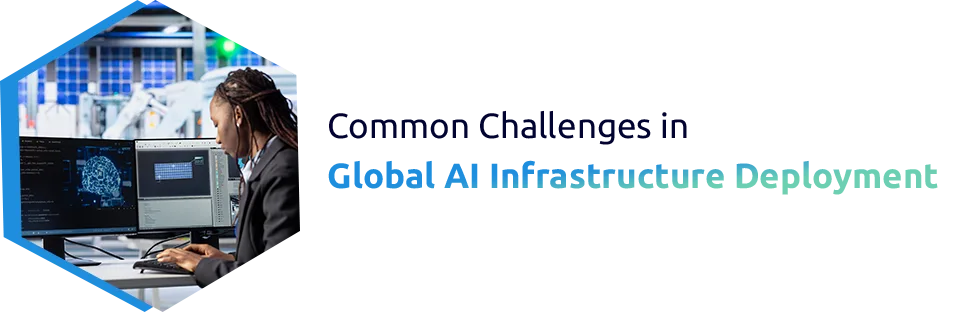
Common Challenges in Global AI Infrastructure Deployment
Deploying AI infrastructure in countries is not just about moving servers and networking equipment. Organizations often face problems like HS code classification, customs delays missing import licenses and changing regulatory requirements. These issues can disrupt project timelines. When AI hardware is shipped to countries, compliance risks increase. Each country has its import regulations and documentation standards. In addition poor coordination of warehousing and inventory management can cause equipment damage, misplaced shipments or installation delays. To solve these problems businesses need international freight services and supply chain optimization strategies. These strategies ensure that AI servers, GPUs, storage systems and networking equipment move smoothly from origin, to destination.
Conclusion
AI infrastructure projects are getting bigger, spreading across the world. To be successful these projects need more than powerful computers. They also need to be able to work with other countries and follow all the rules. When you are bringing in AI servers and other equipment from countries you have to deal with a lot of things. You have to handle all the paperwork get things cleared by Customs and make sure you are following all the rules for trading with countries. Every step of the way you have to plan carefully. A special service that helps with importing can make a difference. This service can help companies overcome problems with importing make sure they are following all the rules and keep their projects on track.
DID YOU KNOW
“The infrastructure industry faces unprecedented pressures in the coming decades, including climate change, urban expansion, economic uncertainty, labor shortages and supply chain disruptions. ”
FAQs
Q: What makes AI infrastructure hardware different from standard IT?
A: AI deployments rely on massive clusters of advanced components, such as high-value GPU servers, dense storage systems, and specialized networking cables. These technologies are subject to rigorous serial number tracking, high-value customs valuation, and strict destination-country regulatory reviews.
Q: Why can’t I use a standard IOR provider for my AI servers?
A: Standard IT IOR providers generally handle a few local markets and lack the multi-country capacity, direct entity registrations, and in-house Bureau of Industry and Security (BIS) compliance expertise required for multi-nation AI data center rollouts. Furthermore, shipping delays for AI processors can disrupt multi-million dollar data center deployment timelines.
Q: How do specialized IOR services minimize supply chain risks?
A: Specialized providers mitigate risk by ensuring rapid customs clearance, properly classifying high-tech hardware under correct HS codes, handling local tax and duty payments, and preventing legal entanglements or expensive fines from customs authorities.
Q: Does specialized IOR planning speed up time-to-market?
A: Yes. Pre-departure compliance, accurate documentation, and established relationships with international customs authorities can reduce data center hardware release times by more than 50%, allowing organizations to deploy and scale computational resources much faster.
Q: Why do AI infrastructure projects require specialized Importer of Record (IOR) services?
AI infrastructure projects often involve importing high-value equipment such as GPU clusters, AI servers, storage systems, and networking hardware into multiple countries. These shipments must comply with local import regulations, HS code classifications, Customs clearance requirements, and applicable Incoterms.