DDP Shipping Solutions in Japan: Simplifying Global Trade
Japan is a deal in Asia when it comes to technology and money. Lots of companies want to do business in Japan. If you are exporting you need to get them to Japan in a way that’s easy and follows the rules. You also want to know how much it will cost. That is where Delivery Duty Paid shipping comes in. It helps the people selling these things take care of getting them to the buyer in Japan. They handle the shipping and all the costs until it gets to where the buyer wants it to go. Japan is a place to sell things like this because it is so good with technology and money. Delivery Duty Paid shipping is very helpful, for companies that sell to Japan.
International trade is getting bigger and bigger. Businesses want to make sure they have logistics that they can clear customs easily and that they follow all the rules. This helps them avoid problems and delays. DDP shipping makes it easier for people to buy things from countries. It reduces the paperwork that buyers have to do and helps them see what is happening with their shipment. If you are sending something that’s very important or very valuable it is a good idea to work with a logistics company that has a lot of experience. This is especially true if you want to sell things in Japan. It will help you get into the market easily and make sure your supply chain is strong and follows all the rules. DDP shipping and logistics are very important, for businesses that want to work with Japan and other countries.
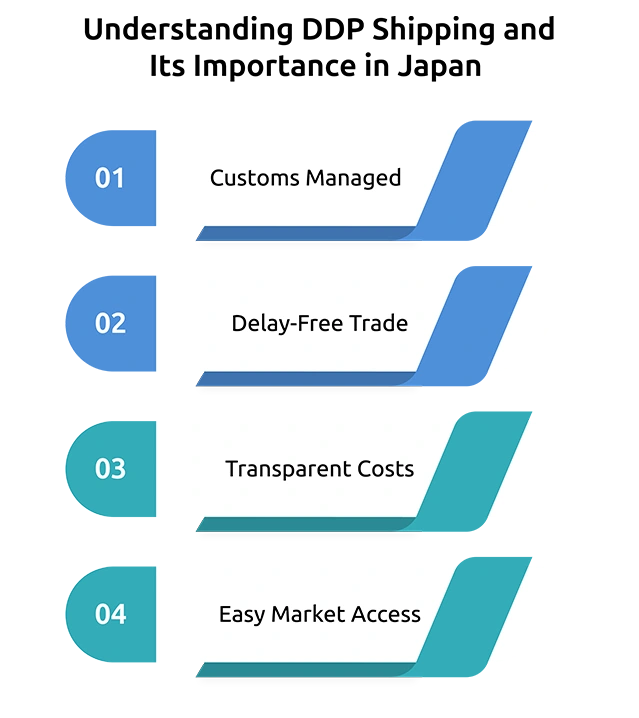
Understanding DDP Shipping and Its Importance in Japan
Delivery Duty Paid (DDP) is a shipping term, Under DDP the seller handles everything to get goods to the buyers destination. This includes paying for freight, insurance, import duties, taxes and clearing customs. DDP makes it easier for buyers in Japan, Japan has customs rules and paperwork. With DDP the seller takes care of all import duties and taxes, this means the buyer does not have to deal with these costs and processes. DDP is different from Delivery At Place (DAP). DDP ensures all import formalities are done before the goods reach the customer. By choosing DDP businesses can avoid delays at customs. Customers in Japan get an clear import experience.
Understanding Japan’s Import Documentation and Customs Clearance Under DDP
When you buy something from a seller under a Delivery Duty Paid agreement the seller has to take care of everything to get the goods into Japan. This means the seller has to fill out all the import paperwork pay the duties and taxes that are owed and make sure the goods get through Customs without any problems before they get to you. For every shipment that comes into Japan the seller has to use the HS code. The Customs people use these codes to figure out how duty to charge and what rules the shipment has to follow. They should also find out if the generalized system of preferences applies to the things they are importing. This system can give them tariffs on some imports. When the Customs people check a shipment they look at the details of the shipment what the products are and the paperwork that comes with it. They want to make sure everything is okay, under import rules. If the seller does not classify the products correctly or does not have all the paperwork it can cause a lot of problems. The shipment might be. The seller might have to pay more duties or penalties. The shipment could even be held up.
Why Importer of Record (IOR) Services Are Essential for DDP Shipments to Japan
For companies shipping goods to Japan under Delivery Duty Paid (DDP) terms meeting local legal importer requirements can be a big challenge. Japanese customs regulations require a recognized importer to take responsibility for import compliance, duties, taxes and customs clearance. An experienced Importer of Record partner makes sure all import documents are correct regulatory requirements are. Shipments go through customs without delays or penalties. When you combine this with exporter of record services and reliable international freight services businesses get a shipping solution that makes cross-border operations easier and reduces compliance risks. This approach is especially valuable for companies importing high-value IT equipment, aviation components, medical devices and automotive parts where on-time delivery and regulatory accuracy’re crucial to keeping a smooth global supply chain.

Conclusion
Expanding into the market is a big task. It is not about picking the right way to ship things. The Japanese market requires planning and making sure you follow all the rules. You also need to have a system in place to handle the movement of goods. DDP Shipping Solutions in Japan make it easier to bring things into the country. These solutions let sellers take care of duties, taxes and Customs clearance. This makes things easier for the people buying the products. When you use DDP Shipping Solutions in Japan along with an Importer of Record Service businesses can feel safe when dealing with Japans import rules. The Importer of Record Service helps businesses get the HS code classification and meet all the requirements for Incoterms.
For companies in IT, aviation, medical and automotive sectors working with providers that offer exporter of record services, international freight services and supply chain optimization adds more value. By using inventory and order management systems and the best trade compliance software for import and export rules businesses can see whats happening in their supply chain follow regulations and make global shipments smoother. This approach helps companies in these sectors to have control over their global shipments. A planned supply chain also helps businesses to respond quickly to changes in demand. They need to make sure that their supply chain is reliable and efficient. By partnering with the providers and using the right systems and software businesses can achieve this.
DID YOU KNOW
“Japan is one of the world’s largest importers of high-tech equipment, medical devices, automotive components, and aerospace products. ”
FAQs
Who acts as the Importer of Record (IOR) under DDP?
The seller is the one who has to act as the Importer of Record under DDP. This means the seller has to handle all the customs clearances. The seller can also ask someone like a logistics partner to do this job for them.
Are import duties and taxes included in DDP?
Yes it does. The seller has to pay for all the customs duties. These duties are different for kinds of products. The seller also has to pay the Japan Consumption Tax, which’s 10 percent. The seller is completely responsible, for paying all these costs.
What are the latest rules on low-value goods?
Japan has implemented critical tax reforms, meaning the previous JCT exemption for shipments valued at ¥10,000 or less has been abolished. Every single import, regardless of how small its value, is now subject to the 10% JCT. Furthermore, the old “60% rule” (which discounted the taxable value of personal imports) is no longer valid, and goods are now taxed at their full 100% value.
How does the JCT “Qualified Invoice” system affect B2B shipments?
To keep your B2B Japanese clients happy, the seller must be a registered JCT taxpayer and provide a Qualified Invoice. If you are not registered, your Japanese corporate clients cannot claim tax credits on the JCT you pass on to them, effectively making your goods 10% more expensive for them to buy.
Do Free Trade Agreements (FTAs) reduce DDP costs?
Yes. Japan has established Economic Partnership Agreements (EPAs) and CEPA (e.g., with India, Australia, and ASEAN nations). If your goods qualify and you have the correct Rules of Origin documentation, import duties can be significantly reduced or completely eliminated, saving money on your overall landed cost.