Introduction
Trade liberalization has become one of the major operators changing the modern import and export business landscape. Developing economies are increasingly opening their borders to global trade, growing smoother customs clearance support, tariff reduction, and simplified import export registration procedures. This policy change increases competitiveness, integrates developing countries into the global supply chain services, and expands access to technology and investment. Also, it exposes local industries to global competition, which may bring both opportunities and challenges for importer-exporter organizations globally.
What Is Trade Liberalization?
Trade liberalization refers to the process of removing trade barriers such as tariffs, quotas, and restrictions to encourage the free flow of goods and services across borders. Governments adopt this approach to reviving economic growth, improving export possibilities, and strengthening international export regulations. It frequently works with trade agreements that promote reduced HTS harmonized tariff Schedule rates and improved transparency in customs processes. For businesses involved in import and export, trade liberalization simplifies agreement procedures, promotes effective logistics, and reduces the total cost of DDP shipping. These measures make it easier for organizations to expand operations globally while confirming adherence to Incoterms and regulatory systems such as HS Code categorization and the generalized system of preferences (GSP).
How does trade liberalization benefit emerging economies?
It helps increase exports, attract foreign investment, create jobs, and improve access to global markets, which supports economic growth. In addition, it allows countries to import better technology and machinery, which improves production quality and efficiency. Businesses get more opportunities to expand internationally, while consumers benefit from a wider variety of goods at lower prices. Over time, it also encourages competition, which pushes local industries to improve and become more competitive in the global market.
Understanding Trade Liberalization
Emerging economies frequently pursue trade liberalization to varied exports, attract global investment, and strengthen their local production capacity. With the support of Importer of Record (IOR) services and Export customs brokerage, organizations can guide difficult documentation and import regulations more effectively. Trade liberalization guidelines are supported by international agreements and organizations that aim to create a level playing field for all nations. Businesses looking for comprehensive import-export support benefit from simplified border procedures, better importer of record services, and improved agreements under trade facilitation systems. Also, both exporters and importers trading improved efficiency and reduced delays in global trade.
This also helps businesses expand into new international markets with fewer barriers. Improved trade systems make global operations smoother and more cost-effective. Overall, it supports long-term growth and strengthens participation in global trade.
Benefits and Disadvantages of Trade Liberalization
The major advantage of trade liberalization depends on increased market access. For emerging economies, it increases export capacity and promotes industrial growth. Reduced tariffs under the generalized system of preferences encourage trade participation and global investment. Liberalization also lowers transaction costs by simplifying customs clearance support and aligning processes with global standards such as the HTS Harmonized Tariff Schedule and HS Code regulations. Also, there are possible risks. The removal of trade issues can expose local industries to international competition, making it harder for smaller producers to compete. Insufficient infrastructure and minimal entry to the economy can reduce the benefits for local businesses. Also, without proper tracking, the benefits may favor larger corporations, leaving smaller importer-exporter businesses struggling to adapt to new market dynamics.
Simple View on Trade Liberalization and Growth
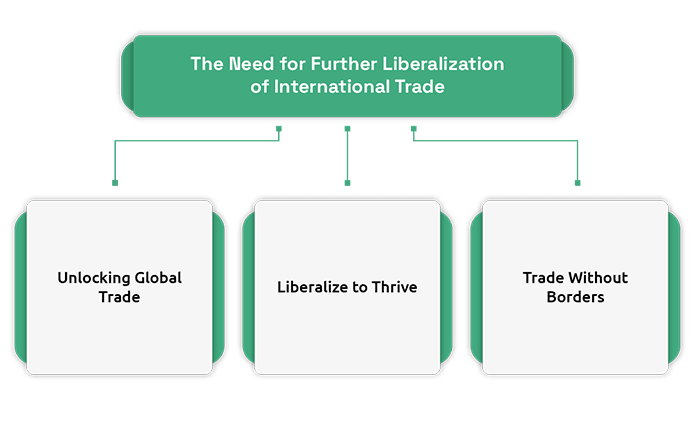
Even though there are some challenges, trade liberalization is still important for economic growth. Countries need to improve their import and export systems, make logistics better, and keep trade rules clear and easy to follow. Governments can support new exporters by guiding them through registration and trade requirements. Services like Importer of Record (IOR) and customs brokers can help make the process smoother and reduce delays at borders.
They should also focus on better use of trade terms like Incoterms, improve DDP shipping processes, and use digital systems for import-export registration. This will make it easier for small and medium-sized businesses to take part in global trade.
Conclusion
Trade liberalization provides huge opportunities for growing economies to strengthen their industrial capabilities and participate in global trade. With the right balance of policy reforms, effective Importer of Record services, and strong Export customs brokerage systems, countries can maximize the benefits while minimizing risks. As nations continue to expand their presence in global supply chain services, effective logistics plans and transparent import and export regulations will determine the success of future trade growth.
DID YOU KNOW?
India and the US agreed in February to work on the first phase of a trade deal by the end of this year, to reach $500 billion in bilateral trade by 2030.
FAQs:
What is trade liberalization?
Trade liberalization is the process of reducing or removing barriers like tariffs and quotas to promote the free movement of goods and services across international borders. It simplifies customs processes and boosts global trade efficiency.
How does trade liberalization benefit emerging economies?
It promotes export diversification, attracts foreign investment, and improves logistics infrastructure. By aligning with global systems like the HTS harmonized tariff Schedule and HS Code, developing countries gain access to larger markets.
What are the major risks of trade liberalization?
While liberalization encourages growth, it also exposes local industries to international competition. Small businesses may face challenges competing with global brands without strong domestic support systems or infrastructure.
How do Importer of Record (IOR) and Exporter of Record (EOR) services support trade liberalization?
IOR and EOR services simplify international trade by handling compliance, documentation, and customs clearance. This ensures businesses adhere to Incoterms, DDP shipping, and global trade regulations efficiently.
What role does the Generalized System of Preferences (GSP) play in trade liberalization?
The GSP allows developing nations to export goods at reduced tariff rates to developed countries, encouraging economic growth, competitiveness, and integration into global trade systems.