How artificial intelligence is changing logistics
AI is changing logistics by simplifying work, improving accuracy, and reducing fees across global supply chains. From improving freight logistics services to increasing ways of planning and predictive maintenance, AI allows advanced decision-making and faster deliveries. In premium sectors, it elevates white glove shipping services through live tracking, automation, and superior customer experiences. Also, AI-driven analytics help organizations guide import duties and tariffs more effectively, confirming agreements and reducing delays in global trade.
What Artificial Intelligence Can Do for Logistics
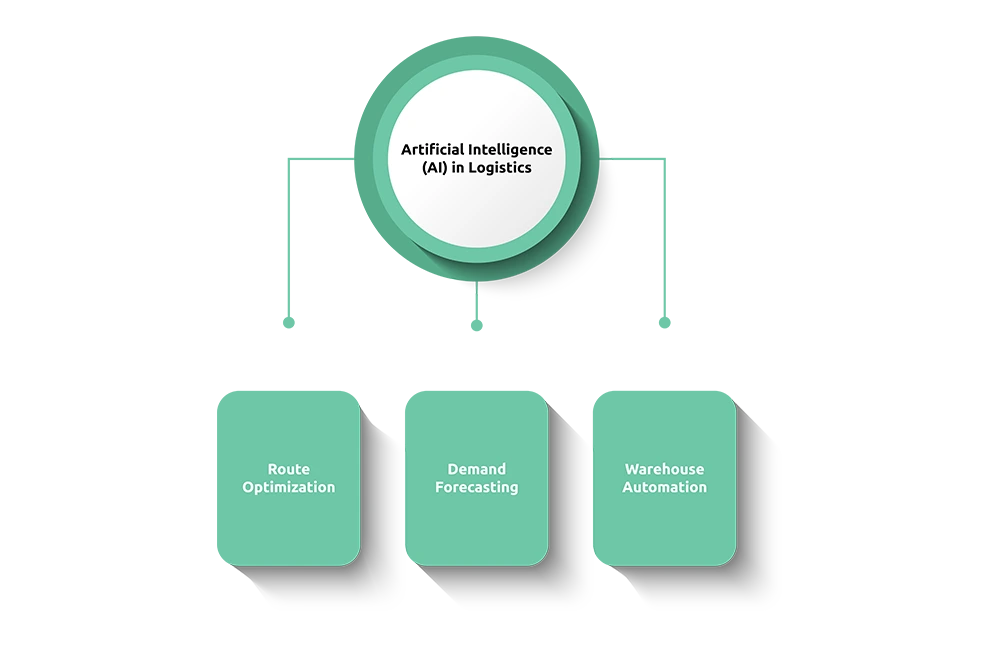
AI is a key part of simplifying processes and making the customer experience better. AI speeds up processes and cuts down on mistakes made by humans by automating routine jobs like sorting, labelling, and inventory checks. It also finds the best delivery ways in real-time, which cuts costs and speeds up delivery times. AI improves forecasting by looking at both past and present data to guess what people will want. This keeps inventory levels at the right level and supply lines running smoothly. AI also improves customer service by letting you track things in real time, send customised messages, and solve problems faster. This makes the whole experience smoother and clearer for customers.

AI for discovering the best routes
Planning routes efficiently is key to lowering delivery costs and boosting client satisfaction, and AI is a key part of this process. AI-powered systems look at real-time information like weather patterns, delivery dates, and traffic patterns to find the best routes. For example, delivery companies use AI to change routes on the fly, making sure that packages get to their targets on time, even when traffic is heavy or the weather is unpleasant. Businesses can give customers a better, more reliable experience by making routes more efficient.
Inventory management based on AI
Managing inventory is an important part of shipping, and technologies that use AI are making it easier than ever to do so. These tools help companies keep real-time records of the stock, estimate how demand will change, and automate the process of restocking. Key features include keeping track of inventory amounts in real-time, finding stock that isn’t moving quickly or is too much, and automatically restocking. AI helps companies manage their inventory by making sure they don’t have excessive or insufficient equipment/goods, lowering the cost of storage, and improving the efficiency of stores. AI can help businesses make sure they have the right things on board at the right time. These changes improve business and make customers pleased.
Why AI is useful in logistics
A lot of positive changes happen in logistics because of AI. It makes things more affordable, quicker, and more sustainable. AI can save a lot of money by automating routine jobs, cutting off errors, and making the best use of resources. It also makes operations more efficient by speeding up tasks and letting people make better choices. In terms of sustainability, AI helps cut down on carbon pollution by finding the best routes and best ways to use resources. Also, AI systems are very flexible and can be smoothly extended to meet the needs of growing businesses. All these benefits make AI an important tech for making logistics processes more efficient and environmentally friendly.
AI also enhances customer satisfaction by providing real-time shipment tracking and accurate delivery estimates. It enables better risk management by predicting delays or disruptions before they happen. AI-powered analytics help companies identify inefficiencies and optimize supply chain strategies. Furthermore, it supports seamless integration with emerging technologies like IoT and blockchain for smarter, end-to-end logistics.
The Future of AI | Logistics
AI could bring many exciting changes to logistics shortly, and new technologies will further advance it. Self-driving cars, and AI-powered trucks & drones, will revolutionize last-mile delivery & make transport faster, with more cost-effectively than ever before. Robots/AI-enabled warehouses will become smart warehouses that optimize efficiency across all warehouse tasks, from picking to packing, making them more productive overall. Integrating AI & the blockchain will also make supply chains more open and easy to track, leading to greater trust and accountability among suppliers and buyers. Companies that utilize these new ideas will not only benefit from smoother operations but will also gain an edge in an ever-evolving tech market.
In conclusion
At One Union Solutions, we know that AI has the potential to change business in big ways. Businesses can use our customized services to help add AI-powered equipment for proactive upkeep, inventory management, and finding the best routes. We help you get past problems like integrating data and a need for more skilled workers so that the switch to AI-powered processes goes smoothly. Businesses can get the most out of AI by working with us. This will lead to smarter, more efficient supply lines that give customers great experiences.
Did You Know that,
As per the World Economic Forum, the artificial intelligence could boost the GDP globally to $15.7 trillion by 2030. This would mostly be due to better supply chain and logistics efficiency.
FAQ’s
What role does AI play in logistics?
AI speeds up operations by automating routine tasks, optimizing delivery routes, tracking shipments, and predicting demand. This reduces costs and improves overall efficiency.
How does AI help with inventory management?
AI tracks inventory in real time, predicts demand, and can automate restocking. This prevents overstocking or shortages and makes warehouses more efficient.
What challenges come with using AI in logistics?
Major challenges include high setup costs, poor-quality data, a shortage of skilled workers, and concerns about security and privacy. Careful planning and investment are required to overcome these issues.
How does AI improve the customer experience in logistics?
AI enhances customer experience by offering real-time tracking, quick responses via chatbots, personalized updates, and predictive problem-solving before issues arise.
What does the future of AI in logistics look like?
The future includes self-driving vehicles, smart warehouses, blockchain integration, and advanced predictive analytics, making supply chains faster, smarter, and more transparent.