Introduction
Many businesses choose Delivered Duty Paid (DDP) as a shipping arrangement because it promises a smooth experience for the buyer. Under this shipping method, the seller assumes responsibility for every stage of delivery from export procedures to import duties and tariffs at the final destination. Ideally, it appears to create an effective supply chain optimization process. Also, behind this comfort stands a set of risks that can make the total cost and responsibility hugely higher for the seller.
What is DDP Shipping?
Delivered Duty Paid service is an agreement where the seller manages logistics, customs clearance, and all related charges before the goods reach the buyer. The seller may also work with a broker for Importer of Record responsibilities when required, confirming that the shipment meets requirements in the destination country. For the buyer, this feels smooth. For the seller, it means taking on duties, approval requirements, and any unwanted issues that may arise during the shipment of the goods.

How DDP Shipping Works
In a standard DDP shipping process, the seller creates the goods, completes export-related requirements, arranges global logistics, manages import customs clearance, pays duty and taxes, and finally confirms successful last-mile delivery services to the customer. Many companies that select the Delivered Duty Paid service want to provide a premium experience, including real-time shipment tracking and minimal documentation for the customer during shipping. But even when international freight services run smoothly, the officials and financial workload falls on the seller, making careful planning necessary for the shipment.
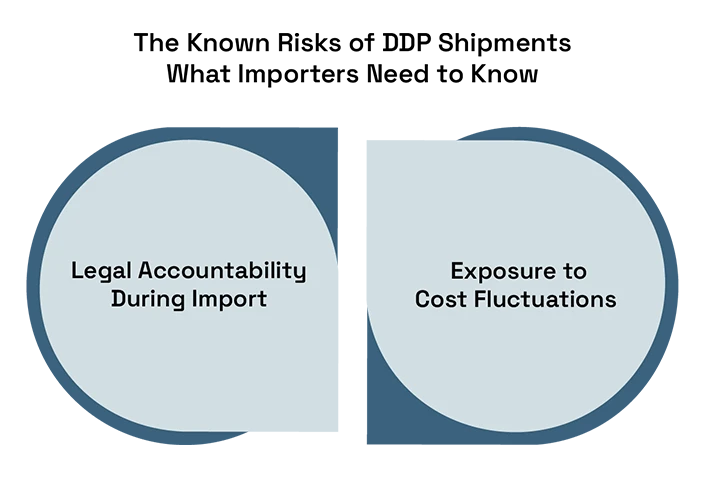
The Known Risks of DDP Shipments: What Importers Need to Know
While buyers may see DDP as convenient, sellers face multiple challenges:
Legal Accountability During Import
Once the goods arrive at the destination country, local authorities may expect complete approval with classification, valuation, and recorded importer details. If there is a dispute or delayed clearance, the cost and penalties usually fall on the seller, mainly when the shipment includes Importer of Record responsibilities.
Exposure to Cost Fluctuations
Import duties and tariffs can change without warning due to government policy updates or market conditions. A seller providing a fixed shipment price may suddenly find that the final expenses exceed expectations, reducing overall profit margin.
Country-Specific Rules and Delays
Different countries have unique customs clearance procedures. If import export documentation isn’t perfect or new approvals are required, the shipment may get held at customs. That can lead to storage fees, missed delivery commitments, and quality damage for the seller.
Currency Exchange and Tax Variability
When payments, duties, or carrier charges change due to currency rate changes, sellers are the ones who absorb the unexpected increase, which directly impacts the business’s shipments.
Buyers Becoming Dependent on the Seller
While the buyer enjoys a stress-free experience, they may become dependent on the seller for every customs and delivery issue. That can increase communication workload and slow down working processes for both sides.
What Factors Affect DDP Shipping Costs?
Several variables determine the total cost a seller ends up paying in a Delivered Duty Paid service arrangement:
- Customs duty rates and import taxes
- Transportation mode and distance
- Handling charges at the origin and destination
- Service provider costs for IOR services, clearance, and filing
- Buyer location and complexity of last-mile delivery services
- Possible delays and penalties due to incorrect entries or approval issues
- Even when sellers aim for supply chain optimization, unexpected expenses can still accumulate quickly.
Conclusion
DDP shipping can create an exceptional buying experience, but it demands that the seller manage every checkpoint from export filing to customs payments and successful final delivery. The hidden risks, unexpected charges, regulatory responsibilities, and working pressure make it necessary for sellers to evaluate whether assuming full control is worthwhile in their trade plan. For some businesses, DDP provides an advantage; for others, the risks and costs may exceed the benefits. Understanding the correct responsibilities behind the arrangement helps sellers make informed decisions that protect both profitability and trust.
DID YOU KNOW?
The Nigerian maritime sector is on the rise. It is estimated to be worth $10.95 billion by 2025 and $15.05 billion by 2030.
FAQs:
What is Delivered Duty Paid (DDP) in shipping?
DDP is a shipping agreement where the seller handles everything from logistics and export paperwork to customs clearance, duties, and final delivery before the goods reach the buyer.
Why is DDP riskier for sellers than buyers?
The seller takes full responsibility for customs compliance, duty payments, potential delays, currency fluctuations, and penalties if anything goes wrong.
What happens if customs classifications or documents are incorrect in DDP?
The shipment may get delayed, stored, or rejected, and the seller is usually charged for penalties, storage fees, or extra customs handling.
Do DDP shipping costs change based on country?
Yes. Each country has different duty rates, regulations, and customs processes, which can greatly affect the seller’s total cost and delivery timeline.
When is DDP a good choice for sellers?
DDP works well when a seller fully understands the destination’s customs rules, has reliable logistics partners, and can absorb cost fluctuations without losing profitability.