Insight
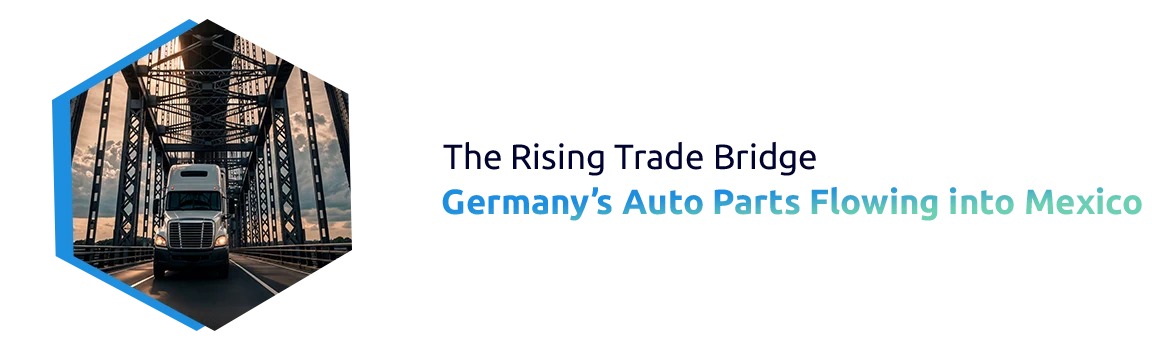
Germany is increasing its trade with Mexico, particularly in the automotive industry. The auto parts manufactured in Germany are a supplement to Mexico’s role as a manufacturing hub. It is a stream connecting German precision engineering to the efficient manufacturing plants and assembly plants in Mexico. The expanding connection relies on international freight delivery In both countries, busy cargo airports and ports play a significant role in the handling of shipments. This trade bridge is also impacted by climate-conscious logistics and global supply chain changes. The blog also examines the evolving relationship and the cross-border movement of auto parts between Germany and Mexico.
Germany-Mexico Auto Trade Dynamics
The growing trade link is motivated by a number of factors. The modifications in the global supply chain have encouraged manufacturers to place themselves nearer to the North American market. Free trade agreements between Germany and Mexico reduce the tariffs and ease the importation and exportation processes. Economic incentives in Mexican manufacturing zones attract German exporters. This creates a steady demand for high-quality German auto parts such as engine components, transmission systems, and electronic sensors. Efficient freight forwarding service and customs freight forwarding smooth the shipment of these parts port-to-port. These drivers strengthen the long-term trade bridge.
German Automotive Parts Export Overview
The overall range of auto parts exported indicates the level of technology and assembly requirements. A significant proportion of the exports consists of engine parts and transmission systems. Sensors and electronics, which are essential components of modern cars, are also in high demand. These sections are original equipment manufacturer (OEM) products and aftermarket products. To protect the safety of transporting these delicate products, secure packaging and trusted freight and forwarding companies are used. Real-time delivery tracking and being the importer of record help ensure a smooth delivery and compliance.
Types of auto parts are shipped from Germany to Mexico?
Common exports include engines, transmission systems, electronic components, and precision automotive parts used in vehicle assembly. In addition, Germany also supplies braking systems, suspension parts, steering components, sensors, and advanced automotive software systems. These parts are mainly used in large assembly plants where vehicles are produced for both local use and export markets. High-quality German engineering helps improve vehicle performance, safety, and overall production efficiency.
Mexico’s Growing Auto Industry Hubs
Mexico houses several major automotive clusters with assembly plants that rely on a timely supply of parts. Manufacturing plants and distribution centers form the backbone of these hubs. These facilities benefit from optimized warehouse management system (WMS) solutions and freight logistics services. Freight forwarder shipping services ensure that complicated consignments are smoothly sailed through the customs clearance procedures. These are hubs that cater to global markets, hence making Mexico a very important point in the automotive supply chain. Increased logistics & distribution investments also enhance these centers.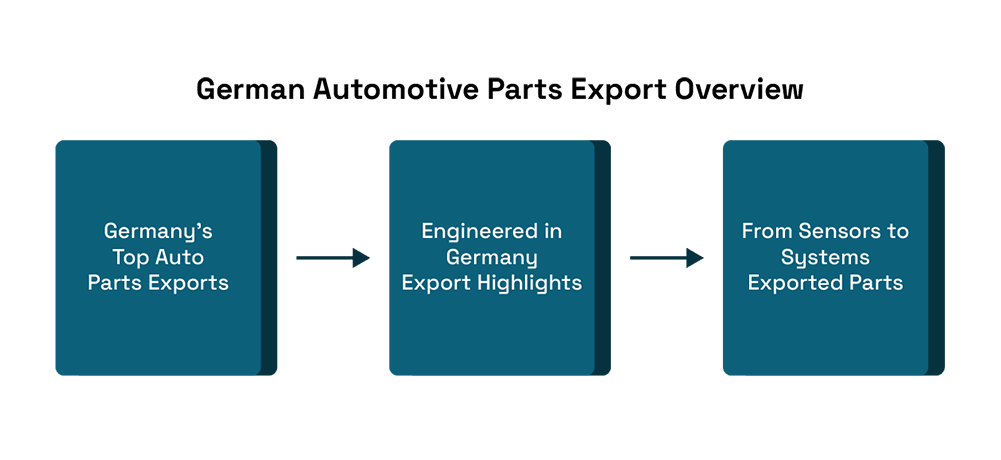
Benefits for Both Economies
This trade relationship boosts industrial growth and creates jobs within Mexican manufacturing zones. Technology transfer from a German exporter supports skill development for the workforce. Both economies benefit from increased export-import activity in Mexico and robust collaboration in the international trade sector. DDP shipping & other trade facilitation mechanisms help reduce delivery times and costs. The partnership boosts long-term economic prosperity, with a focus on technology, quality, and efficiency.
Improves Supply Chain Reliability
A strong trade relationship helps create a more stable and predictable supply chain. Businesses can depend on the timely delivery of parts and materials, which reduces the risk of disruptions and improves overall planning.
Reduces Delays in Cross-Border Trade
Better coordination between countries and the use of efficient shipping methods help reduce delays at borders. This ensures that goods move faster and reach their destination on time.
Helps Better Inventory Management
With smoother trade operations, companies can manage their stock more effectively. They can avoid overstocking or shortages by planning based on reliable supply timelines.
Supports Smooth Logistics Operations
Improved trade processes make transportation and handling of goods more efficient. This leads to better coordination between suppliers, warehouses, and delivery systems.
Practical Tips for Strengthening the Auto Parts Trade
- Use expert import export services specializing in automotive trade for smooth customs and regulatory handling.
- Opt for freight forwarding services with proven experience in international freight forwarding companies familiar with port-to-port shipments.
- Implement real-time shipment tracking and volume weight calculation to optimize air freight shipping costs.
- Keep good import export records and observe the importer of record and exporter of record conditions.
- Take advantage of storage facilities and warehousing facilities around manufacturing centers to obtain just-in-time inventory and white glove delivery service to delicate components
Conclusion
One Union Solutions is a provider of professional freight forwarding and customs freight forwarding to meet the sophisticated requirements of the Germany-Mexico auto parts exchange. We guarantee compliance and smooth shipments from port to port in real-time, as well as accurate management of import and export documents. The experience in logistics freight forwarding service is associated with the unproblematic transportation of sensitive automotive cargo, from warehouses and distribution centers to a white-glove delivery solution.
Did You Know,
By 2025, investments in Mexican automotive clusters were $30 billion, which favors the development of logistics and manufacturing.
FAQ’s
1. Why is Germany increasing auto parts exports to Mexico?
Germany is expanding auto parts exports to Mexico due to the country’s strong automotive manufacturing base, cost-effective production environment, and strategic access to North American markets under trade agreements like USMCA. This allows German suppliers to support OEMs operating in Mexico while staying competitive globally.
2. What types of auto parts are commonly exported from Germany to Mexico?
Germany primarily exports high-value automotive components such as engines, transmission systems, electronic control units (ECUs), braking systems, and precision-engineered parts. These components are essential for assembly plants operated by global automotive brands in Mexico.
3. How does Mexico benefit from German auto parts imports?
Mexico benefits through enhanced manufacturing capabilities, improved product quality, and increased foreign investment. Access to advanced German engineering supports local production, boosts exports, and strengthens Mexico’s position as a global automotive hub.
4. What role do trade agreements play in the Germany–Mexico automotive trade?
Trade agreements like the EU-Mexico Free Trade Agreement help reduce tariffs, simplify customs procedures, and encourage smoother cross-border logistics. This enables faster movement of auto parts and reduces overall supply chain costs for manufacturers.
5. What challenges affect the flow of auto parts between Germany and Mexico?
Key challenges include customs clearance delays, regulatory compliance, fluctuating freight costs, and supply chain disruptions. Companies often rely on experienced logistics providers and Importer of Record (IOR) services to ensure smooth and compliant trade operations.