
Knowledge of Equipment Shipping: In Transit from Origin Status
In-transit equipment refers to equipment that has been shipped but has already left the point of origin and is en route to the destination port. In the case of sensitive equipment, such as data center hardware, IT equipment, aviation tools, automobile parts, and healthcare devices, this status is paramount. Shipment is heavily dependent on international freight through airports, where effective coordination is required with customs and logistics centers. Live tracking can be used to track the progress of the shipment. Airports around the world are very important in the management of such shipments in order to deliver them at the right time and with high levels of safety.
How can businesses prepare equipment before shipment to reduce transit risks?
Proper pre-shipment inspection, secure packaging, and clear labeling help minimize risks before goods even leave the origin. In addition, businesses should conduct functional testing and condition checks to ensure the equipment is in working order and document its condition with photos for insurance and claims purposes. Using customized packaging solutions—such as foam inserts, shock-absorbing materials, and moisture protection—helps safeguard sensitive or high-value items during transit.
Common Risks in International Equipment Shipments
Air freight of specialized equipment is exposed to various risks in international air shipping. Damage to equipment is also a significant issue because of delicate components and complicated equipment. Common delays are due to the problem of clearance at customs or flight schedule availability. The theft is a risk due to the large value of such items as medical devices or automotive parts. Delays in shipments lead to losses in finances and operations. The identification of these risks assists in planning a more efficient risk management between ports.

Key Strategies to Manage Risks During Equipment Transit
Good risk mitigation begins with insurance to cover damages or losses. Secure packaging safeguards sensitive and heavy equipment against shocks and against rough handling. Location and condition are continuously monitored with the help of real-time tracking by GPS and IoT devices. The contingency planning assists in managing any unexpected delays or hold-ups by the customs promptly. The combination of these practices helps in minimizing risks in the transportation of the equipment.
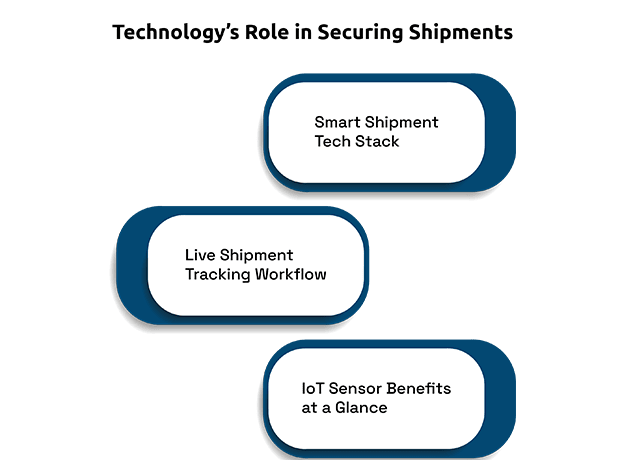
Technology’s Role in Securing Shipments
Technology supports secure and transparent shipment monitoring. IoT sensors collect data on temperature and handling. GPS tracking allows logistics teams to track shipments live on digital platforms. Digital documents speed customs clearance and lower paperwork errors. Cargo facilities improve with automation, ensuring faster and safer handling. This tech integration boosts shipment security & timeliness.
Choosing a Reliable Freight Forwarder
Selecting a credible freight forwarding service is crucial. International shipping is made easy through the verification of certifications and compliance. Effective communication during the transit process ensures that all parties remain informed. A good logistics company meets the special requirements of sensitive equipment and has a strong connection with airports and customs. It builds trust in punctual and safe delivery.
Navigating Customs and Regulatory Hurdles Smoothly
Customs clearance requires accurate documentation, like HS codes and permits. Understanding import and export rules prevents shipment delays or holds. The importer of record handles regulatory compliance to avoid bottlenecks. Efficient customs brokerage speeds up the port-to-port transit. This is vital for equipment shipments where timing and compliance matter.
Risk Management: Practical Suggestions for Equipment Shipping.
- Purchase cargo insurance in case of loss, damage, or theft, particularly in the case of high-value shipments.
- Palletize machinery to save the damage to handling damage and shorten the work in the warehouses.
- Secure delicate equipment and heavy equipment with specific packages.
- Keep perfect shipping records to comply with customs.
- Make use of live GPS tracking with IoT sensors to track shipments.
- Collaborate with a freight forwarder that has been dealing with sensitive equipment and transparency abroad.
- Arrange routes based on weather, port congestion, and regulatory requirements to prevent delays.
- Introduce contingency measures for customs holds or transit disruptions.
- Periodically examine risks and develop management measures in response to emerging circumstances.
Safe and Timely Equipment Delivery with One Union Solutions
Managing risks in global equipment shipments needs expertise and close coordination. Insurance, secure packaging, tracking technology, and a reliable freight forwarder keep shipments safe in international air freight. One Union Solutions specializes in these services to protect investments in aviation, automobile, IT data center, and healthcare equipment.
Did You Know,
Global air cargo demand growth was 11.3% annually in 2024, with global air cargo revenues estimated at an all-time high of $149 billion, compared to $139 billion in 2023, indicating positive growth in the industry.
FAQ’s
1. What are the main risks during global equipment shipments?
Key risks include physical damage, theft, customs delays, regulatory issues, and environmental factors like temperature or humidity.
2. How can businesses reduce the risk of damage during transit?
Using high-quality packaging, shock-resistant materials, and proper handling techniques helps protect equipment from damage.
3. Why is real-time tracking important for global shipments?
Real-time tracking provides visibility, allowing businesses to monitor shipments and respond quickly to delays or disruptions.
4. How does insurance help in managing shipping risks?
Cargo insurance protects against financial losses caused by damage, loss, or theft during transit.
5. What role does compliance play in risk management?
Following international regulations, often guided by organizations like the World Customs Organization, helps avoid penalties and shipment delays.