Insight
The temporary importation of the aircraft to be leased or under accessory works of upgrading concerns a mixture of legal, regulatory, and logistical considerations regarding international trade and logistics. The processes may involve a lot of complexity because they involve wading through numerous customs procedures, global trade regulations, and adherence to local and foreign regulations. The legal overview is designed to give a clear impression of how the process works, as well as the specifics around customs clearance, importer of record, and the tariffs and duties available, which may apply.
Temporary importation is importing goods from a foreign country for a specific period without paying any duties or taxes, provided the goods are for re-export within a given time. It applies especially to the aviation, automotive, and IT industries, where specialized equipment, such as aircraft or leased vehicles, must be transported across borders within a specific stipulated time for maintenance purposes.
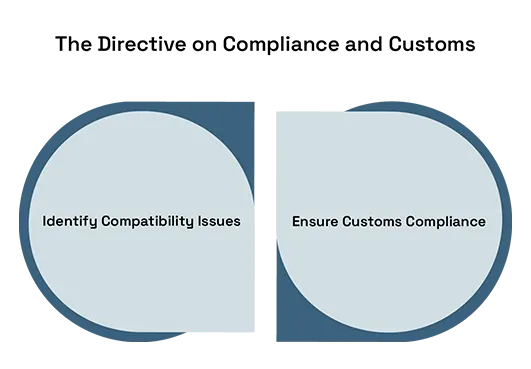
The Directive on Compliance and Customs
One of the major issues in importing an aircraft to lease or repair is the compatibility with the regulations of the country of importation and the country of exportation. Importer of Record (IOR) services are significant in this case. The IOR should ensure that all the customs regulations are met and that the necessary documents are arranged accordingly, such as commercial invoices, customs declarations, and the harmonised system (HS) codes are adequately lodged.
To explain, when importing an aircraft, the IOR must ensure the process aligns with the foreign trade policy and the destination country’s customs tariff. The service ensures the aircraft or any items in transit into the country without any problems at customs. The foreign importer of record also takes on any extra taxes or necessary tariffs, making the process straightforward throughout.
Customs Taxes | Tariffs and Duties
Another important factor to know about temporary importation is understanding tariffs and taxes. Most often, goods imported to be maintained or leased have certain duties and taxes levied depending on the nature of the equipment and value. Such tariffs may significantly change based on the nature of import policies followed in the country and the classification under the harmonised system code.
As another illustration, some jet equipment could benefit from an exemption or a tariff cut under certain agreements or policies, including the Generalized System of Preferences (GSP), which provides favourable tariff treatment of goods in certain countries. The Delivered Duty Paid (DDP) incoterm may also be a factor since the responsibilities of paying duties and taxes in advance are distinct. Suppose the supplier undertakes to provide the goods on a DDP basis. In that case, he agrees to pay all duties, taxes, and other charges involved in the importation process, including transportation of goods.
Supply Chain and Logistics
The supply chain and logistics regarding temporary importation should also be handled well. Regardless of whether the equipment will come by air, sea, or land, there is a need to ensure that every end of the process, including the customs clearance exercise and the final delivery, is efficient. It coordinates the movement of goods within and between countries to arrive at their destination at the correct quality and time.
Logistics is a big factor in industries that require exactness and security, such as aviation and IT/data centre equipment. An air freight cost calculator would assist in calculating the best ways to ship large and valuable equipment at the cheapest rates, whereas an air cargo rates calculator can give real-time shipping rates to plan better. As long as they have the right logistics partner, businesses can ensure that their goods arrive on time, according to regulations, and do not face unnecessary costs or delays.
Legal Concerns | Best Practices found in Temporary Importation
Different legal difficulties may be encountered when companies want to imp
ort aeroplanes or specialised equipment temporarily. Among the most important difficulties is that all the compliance-related documents should be provided adequately and in time. Lack of appropriate or timely documentation may lead to delays, fines, or even seizure of goods.
There is also the issue that when the equipment goes through a period of temporary importation, it can be hit by a change in tariff policies or customs regulations. The foreign trade policies of the exporting and importing nations should be monitored regularly to eliminate surprises. For instance, businesses might have to alter their strategy to avoid extra fees when the destination country changes its tariff obligations or reclassifies the area of a specific good in the customs tariff.
Market Research/Data Insights
The latest news is based on the fact that the aviation sector in the world is growing as more aircraft are leased to provide maintenance and repair services. As noted in the International Air Transport Association (IATA) 2030 aims, the increment in the demand for aircraft maintenance services is expected to be at 4.1% annually until 2030. The expansion propels the requirement for effective and compliant temporary importation services, particularly in locations where aircraft leasing and upkeep operations are extremely regulated.
This trend has increased the cross-border movement of aircraft parts, tools, and equipment. Temporary importation allows these items to enter a country without full duties, provided they are re-exported on time. Proper compliance helps avoid penalties, delays, and operational disruptions. Aviation companies must carefully manage documentation, timelines, and customs rules. Reliable import-export partners play a key role in supporting these growing maintenance activities.
Conclusion
Leasing and the temporary importation of an aircraft or maintenance involve many strict legal requirements, customs requirements, and tariff concerns. Businesses must collaborate with individuals to take the process through smoothly and ensure they conform to the world. At One Union Solutions, we are experts in offering end-to-end solutions to businesses engaging in temporary importation, with some of the services offering Importer of Record (IOR), Exporter of Record (EOR), and customs clearance. We can coordinate these steps through our experienced, well-informed staff specialists who effectively negotiate the maze of international trade and guarantee the facilitation of your shipments across borders.
Did You Know,
The future world market of aircraft leasing is forecasted to grow by a growth of 6.5% per year, accumulating to a projected $400 billion in 2025, and this will ramp up demands for effective temporary importation services in maintenance and leasing.
FAQ’s
What is temporary importation?
Temporary importation allows businesses to bring goods into a country without paying full duties and taxes, as long as the goods are re-exported within a specified time period.
How does the Importer of Record (IOR) work?
The IOR ensures all customs rules are followed, manages required paperwork, and takes responsibility for any duties or taxes involved.
What does the Exporter of Record (EOR) do?
The EOR handles export documentation and ensures it meets the regulations of both the exporting and importing countries.
Do tariffs apply to temporary importation?
Some goods, including aviation equipment, may qualify for reduced or exempt tariffs under international trade agreements such as the Generalized System of Preferences (GSP).
What logistics factors should be considered for temporary importation?
Effective supply chain and logistics planning is essential for timely delivery, compliance, and cost control. Using freight rate calculators helps identify the most cost-effective shipping method.