Insight
Emerging demand and importance for an efficient, safe, and on-time delivery of sensitive cargo have fueled the emergence of advanced real-time cargo tracking systems. Those delivering sensitive, high-value goods know that offering clear shipment tracking is vital to customer satisfaction when transporting sensitive, high-value goods. These services help the flow of goods, from devices and equipment used in medical treatment to aircraft parts to IT systems and the parts of those systems that power them, to equipment for cars, to continue without disruption.
What Is Real-Time Cargo Tracking?
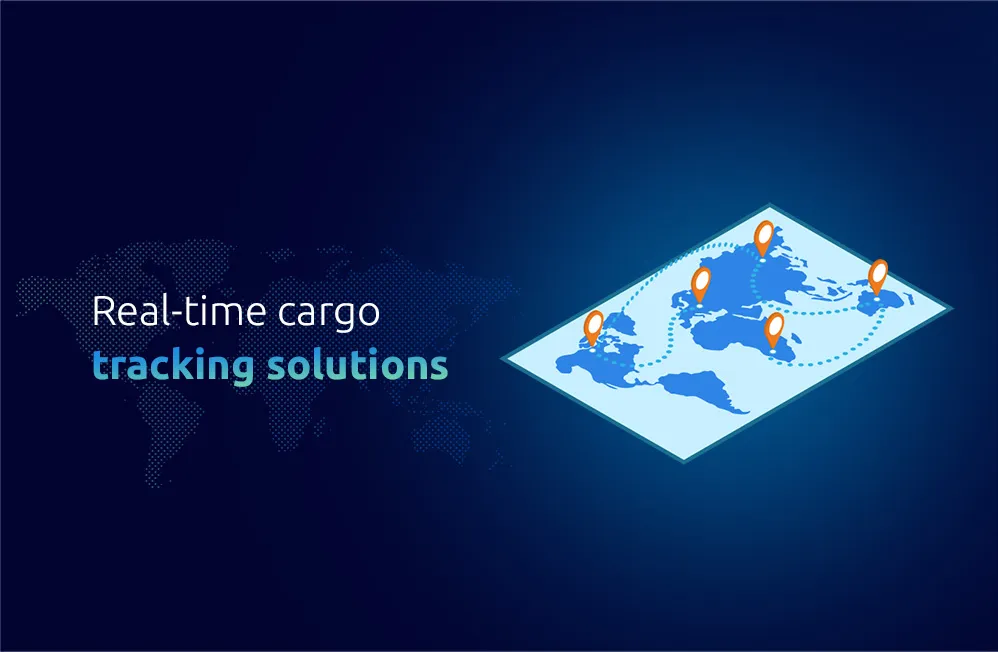
Real-time cargo tracking is tracking a shipment’s precise status using modern tracking technologies such as GPS, RFID, and IoT-enabled sensors. Whether they are moving in cars, ships, or planes, real-time cargo tracking systems offer live tracking details that enable businesses to keep track of the shipments every second. Real-time tracking provides companies with a clear sight line to safeguard delivery times and the secure delivery of their goods, avoiding downtime and cost due to damage.
What Is Real-Time Cargo Tracking?
Real-time cargo tracking is tracking a shipment’s precise whereabouts and status using modern tracking technologies such as GPS, RFID, and IoT-enabled sensors. Whether they are moving in cars, ships, or planes, real-time cargo tracking systems offer live tracking details that enable businesses to keep track of the shipments every second. Real-time tracking provides companies with a clear sight line to safeguard delivery times and the secure delivery of their goods, avoiding downtime and cost via damage.
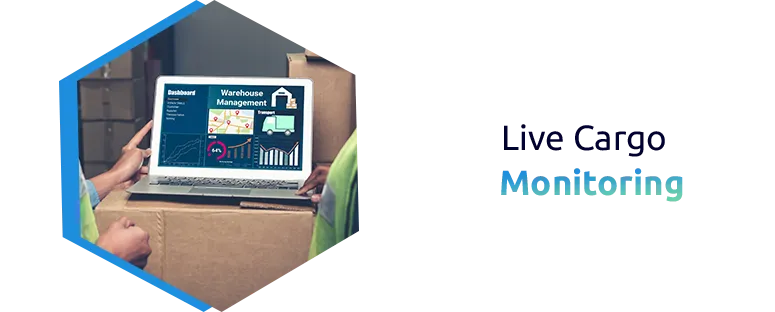
Why do you need real-time tracking of the goods?
The biggest advantage of instant cargo tracking is better visibility. Having certainty about the precise location of goods at any time allows businesses to plan well and act immediately should they need to adjust to any unexpected hiccups. Such things can be weather, traffic, or even customs delays. These systems deliver real-time updates, taking the ambiguity out of the equation and mitigating the incidence of errors and other unintended consequences such that the products are received precisely as anticipated and on time.
Real-time tracking also builds trust between businesses and their customers. As industries handle sensitive, expensive equipment, the stakes are high. A real-time tracking solution assures clients that their equipment is in capable hands and that any potential issues can be detected and mitigated quickly.
The Role of Technology in Real-Time Tracking
State-of-the-art technologies are the key to the real-time tracing of goods. GPS is used for live reporting of a cargo’s location and tracking the freight along the journey. There are also other advantages to IoT devices, such as cargo condition monitoring. For instance, equipment sensitive to temperature can be followed to ensure it’s kept between the ideal temperature conditions. At the same time, shock sensors can notify of possible impacts or rough handling.
RFID tags are commonly used for real-time tracking as well. It’s an affordable little thing that can be quickly connected to shipments, and it enables scanning and tracking without your goods needing to stop every time they pass a checkpoint. This tech, along with its attendant cloud software platforms, means that companies can access real-time data from anywhere at any time, facilitate better decision-making, and decrease the chances of financial errors.
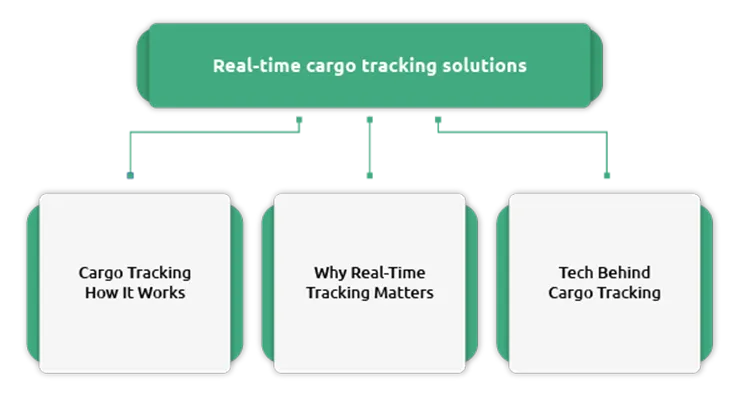
How Real-Time Cargo Tracking Improves Security
When transporting high-value goods, security must be considered first & foremost. Be it theft or damage on the road, you need to guarantee that your goods are safe. The real-time tracking of cargo is an important aspect of security as it enables companies to monitor their shipments closely. As information is updated in real-time, businesses can closely monitor potential risks while taking immediate corrective action if problems emerge. For example, suppose a delivery is stuck in transit or does not follow its planned journey.
Real-Time Tracking of Cargoes: Problems and Solutions
However, there are challenges with real-time cargo tracking systems despite the benefits. Connectivity is listed as one of the main issues. Although GPS receivers and RFID tags can function properly in urban areas, they may face challenges in blind zones without signals. This can lead to holes in tracking data and give businesses who want always-on visibility something to fret about.
Another hurdle is incorporating tracking systems in current supply chain management activities. Real-time tracking can require substantial capital investment in hardware and software, especially for companies new to employing such advanced technologies. Yet, the advantages of these systems, more efficient operations, decreased risk, and increased customer satisfaction, far outweigh the cost of implementation.
Conclusion
Real-time cargo tracking has become a necessary part of new logistics, mainly as industries ship valuable and urgent goods across global supply chains. Allowing real-time shipment tracking through GPS, RFID, and IoT technologies, organizations gain continuous tracking, stronger security, and faster response potential against delays, damage, or route inconsistency. When working with an approval system, such as the Importer of Record service and the Exporter of Record service, real-time tracking not only improves working efficiency but also supports regulatory accuracy, customer trust, and end-to-end accountability. Also, these parts help organizations reduce risk, protect valuable cargo, and confirm that shipments arrive safely, compliantly, and on schedule.
Did You Know,
According to recent news, the logistics industry in Ghana is growing briskly at more than 20% per year. The increase, in part, is the outcome of increased use of high-tech tracking to watch the flow of high-dollar items as they move through the country.
FAQs
What is real-time shipment tracking?
Real-time shipment tracking is the use of technologies such as GPS, RFID, and IoT sensors to track the live location of cargo throughout logistics. It allows businesses to see shipment delivery continuously, respond to supply, and improve delivery accuracy.
Why is real-time shipment tracking important for sensitive cargo?
Real-time shipment tracking is necessary for sensitive or high-value cargo because it provides constant visibility, increases security, and allows immediate action in case of temperature deviations, delays, risks, or route changes.
How does real-time tracking support Importer of Record responsibilities?
Real-time tracking helps to complete IOR services by confirming correct shipment data, timely customs work, proper documentation flow, and proactive management of delays that could affect regulatory approval or delivery responsibilities.
What is the Exporter of Record definition, and how does tracking relate to it?
The Exporter of Record shows to the legal organizations responsible for export approval, documentation accuracy, and regulatory agreement. Real-time shipment tracking supports this role by providing shipment clarity, proof of delivery, and better control over outbound cargo.
Can real-time shipment tracking reduce working and economic risks?
Yes. Real-time shipment tracking reduces risks by improving security oversight, stopping loss or damage, supporting Importer of Record services, working with the Exporter of Record service, and allowing quicker corrective action that protects both cargo value and customer trust.