
Insight
The global aviation industry relies on smoothly importing specialized equipment, from aircraft parts to maintenance tools. The biggest challenge in international trade for aviation is handling the different documentation requirements that vary from region to region.
These differences are not only about filling in forms they affect how fast, how much, and how legally imports are made. Understanding these regional differences is crucial for businesses that trade or invest in aviation equipment. It ensures things are running as they should be and reduces risks of delays, penalties, or malfunctioning with local regulations.
Why Proper Documentation Matters in Aviation Equipment Imports
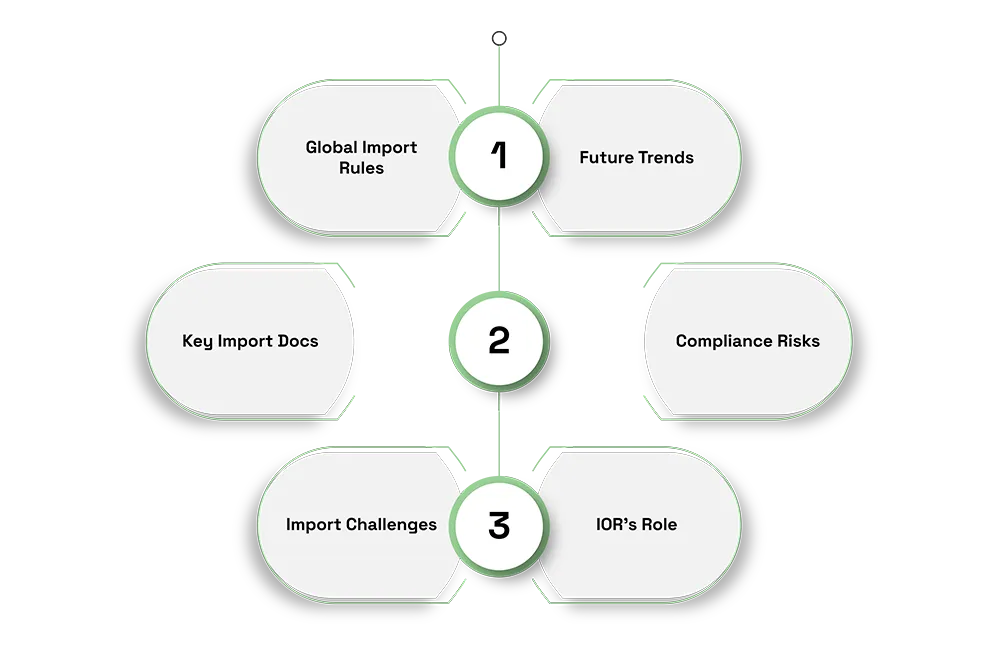
Important documentation for moving aviation equipment imports Regulations in the aviation industry are intense, with safety, security, and operations rules.
The required paperwork serves a few crucial purposes it shows that the equipment conforms to local safety and performance regulations (such as safety checks issued by the FAA in the U.S. and EASA in the EU) and facilitates customs clearance by ensuring that the proper tariffs are assessed.
Settling taxes ensures legal and financial protection, helping businesses avoid costly fines or customs delays. Since documentation requirements can vary widely across regions, it’s crucial to understand them clearly. Doing so helps maintain stable operations and prevents potential business disruptions.
Unique Features in Import Documentation of Aviation Machinery Across Regions
The import requirements for aviation equipment are very different from region to region. This process is not settled there are standards in each country or group of countries so keeping abreast of the more recent regulations is essential. As such, let’s look at the top regions in aviation imports and the documentation they get.
Import Requirements for the European Union (EU)

Aviation equipment in the European Union (EU) is regulated under the EASA (European Union Aviation Safety Agency). Among the key documentation needed to import aviation equipment into the EU is EASA Form 1, which certifies that a specific aircraft part or piece of equipment conforms to EU safety and quality standards.
Importers must also submit Customs Declarations such as detailed commercial invoices, packing lists, etc., and a detailed description of the imported equipment. Also, the document is a Certificate of Origin, which indicates the place of manufacture so that the tariff rates will be determined according to laws and trade agreements.
Moreover, the EU maintains strong environmental requirements. Thus, some aviation equipment requires supplementary certifications, especially for hazardous materials or emissions. As such, businesses must be aware of and comply with these requirements to facilitate seamless and compliant importation into the EU.
Import Requirements for the Asia-Pacific Region
Examples of import regulations are found in the Asia-Pacific region, which encompasses countries such as China, Japan, Australia, India, and more, as each region has its own import rules concerning aviation equipment. Import Permits from national aviation authorities (e.g. Civil Aviation Authority of China (CAAC) or Civil Aviation Safety Authority (CASA in Australia) are common requirements.
Other documentation needed is the Technical Specifications and compliance certificates that ensure the equipment follows local safety standards. As with other regions, timely Customs Declarations and accurate tariff codes are essential to avoid delays. China has onerous restrictions on high-tech aviation components, while Australia demands CASA certification before equipment importation. Compliance with these regulations is crucial for a seamless regional import process.
Import Documentation: Challenges Faced
For businesses importing aviation equipment, this poses challenges due to differences in import documentation processes at the regional level. One of the big struggles is the Complex Paperwork that needs to be handled, as expecting different requirements for each area, mainly if you cover multiple shipments, is overwhelming. Delays are also a major concern, as wrong or incomplete documentation can lead to delays at customs or during the certification process with local aviation authorities.
Conclusion
International Trade in Aviation Equipment Import Documentation: Logging the regional varieties With appropriate knowledge of each region’s specific requirements coupled with trusted experts, businesses can minimize risk factors while avoiding costly delays to the time-to-market process and ensuring compliance with local regulations. Importers employ various strategies to guarantee that the process is seamless and that their operations are not disrupted.
With its extensive knowledge of aviation and other specialized equipment industries, One Union Solutions provides an end-to-end support solution to navigate these complexities successfully.
By managing certifications, customs filings, and regulatory approvals, businesses can maintain full compliance across multiple jurisdictions. Proactive documentation planning helps reduce inspection risks and prevents unexpected clearance delays. Industry-specific expertise ensures aviation equipment meets stringent safety and airworthiness standards. This structured approach enables faster market entry and uninterrupted global operations.
Did You Know,
The global aviation equipment market was valued at 180 billion USD and is anticipated to experience a compound annual growth rate of 7% through 2028, with the Asia-Pacific region serving as a key driver.
FAQs
Q1: What certification is mandatory for importing aviation equipment into the European Union?
Aviation equipment entering the EU must be accompanied by an EASA Form 1, which confirms airworthiness and compliance with European aviation safety regulations.
Q2: How do aviation import documentation requirements differ between the U.S. and the EU?
The EU requires EASA Form 1, whereas the United States uses FAA Form 8130-3. Both documents serve similar compliance purposes but are issued under different regulatory authorities.
Q3: What challenges commonly arise during aviation equipment imports?
Importers often face documentation errors, extended customs inspections, and increased costs due to regulatory non-compliance or missing certifications.
Q4: How can businesses reduce delays when importing aviation equipment?
Companies can minimize delays by working with aviation-specialized customs experts, using digital documentation systems, and staying current with regulatory changes.
Q5: What documents are required to import aviation equipment into China?
Imports into China require permits, technical documentation, and safety certifications issued by the Civil Aviation Administration of China (CAAC).