Are you seeking assistance in understanding the complex processes involved with import and export of machinery and equipment? For expert assistance, reach out to ONE UNION SOLUTIONS today!
Overview:
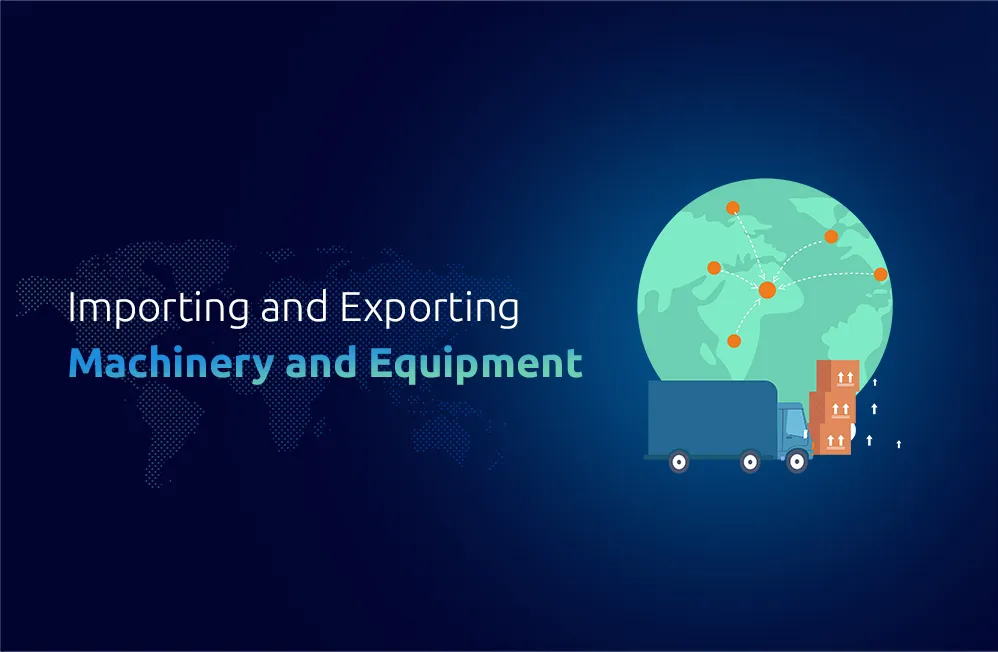
The modern economy is based on international trade; equipment such as machinery is essential to industries all over the world. The need for such goods, whether it’s heavy-duty industrial machines or manufacturing equipment, is constantly increasing internationally. However, there are unique challenges associated with import and export of machinery and equipment, like as logistical challenges, rules & regulations, customs processes, and compliance needs. Businesses looking to grow their market share or simplify the supply chains must understand the intricacies of international trade. Navigating these obstacles requires specific expertise in the machinery trade, and professional advice can greatly streamline the process.
Understanding the Machinery and Equipment Trade
Trading machinery and equipment involves dealing with legislation, customs laws, and logistics in addition to understanding what the market demands. Businesses must stick to environmental and safety laws, such as the EU’s CE mark, & may require special licenses for delicate products like medical equipment.
Equipment is also categorized using Harmonized System/HS codes, which establish the relevant tariffs and taxes. Businesses also have to deal with customs paperwork, such as invoices, packing lists, and certificates of origin. Shipping adds another level of difficulty since fragile or huge machinery frequently requires special treatment, such as temperature-controlled transit or heavy-duty cranes. This is why, working with an experienced logistics service is essential to the prompt and secure delivery of your equipment.
Importing Machinery and Equipment: Key Considerations
Planning & paying close attention to details is important when importing machinery and equipment, particularly when it comes to managing customs procedures and local laws. Each nation has its regulations, some of which may call for certifications or inspections, such as FDA permission for medical equipment or safety inspections for construction equipment. The product’s value, HS Code, and any applicable trade agreements are some of the variables that affect customs charges, taxes, and tariffs.
Many companies operate with freight forwarders to handle shipment and customs brokers to make sure all the documentation is in order to simplify the procedure. Additionally, remember insurance; whether your equipment is costly or delicate, safeguarding it while in transit is essential to prevent possible damages.
Exporting Equipment and Machinery
A distinct set of difficulties arises when exporting machinery and equipment, including handling intricate logistics, making sure safety and environmental requirements are followed, and comprehending the import laws of the recipient nation.
Examine the destination country’s import laws
Examine the target country’s import laws prior to exporting. Before your machinery enters some nations, it may need to comply with certain regulations or norms. For instance, a municipal government can require that you have your equipment examined or certified.
While some nations may have laws controlling the importation of IT or communications equipment, other nations may require manufacturers of medical equipment to register their items with national health agencies.
Documentation for Exports
Similar to importing, exporting machinery necessitates precise documentation to guarantee that the goods undergo smooth cross border movement. This frequently consists of:
Accurate documentation is essential for smooth customs clearance. Business invoices, packing lists, export declarations, bills of lading, and certificates of origin must be completed correctly and consistently. Even small errors in these documents can lead to shipment delays, additional inspections, or penalties at the destination port. Ensuring all paperwork is accurate helps avoid customs issues and keeps equipment shipments moving on time.
Taxes and Tariffs
Depending on the country of destination, exporting machinery frequently entails tariffs, just as importing machinery does. Under some trade agreements, some nations offer reduced tariffs or no tariffs at all. A free trade agreement might, for example, lower or do away with tariffs on specific equipment items.
Delivery & Shipping
Close co-ordination between the shipping businesses, freight forwarders, and customs officials is necessary for the logistics of exporting machinery. The equipment might have to be carried by air, sea, or land, depending on its size and leading destination. For a fast and economical delivery, preparation and trustworthy logistics partners are essential.
Conclusion
Importing and exporting machinery and equipment requires strong trade compliance to confirm smooth international operations. Businesses must guide customs laws, documentation, tariffs, and safety standards under the global trade compliance system. From taking the right certifications to following the HS code categorization, every step plays a major role in avoiding delays and penalties. Working with expert logistics and customs experts helps organizations maintain approval, reduce risks, and simplify the cross-border shipping of industrial equipment effectively.
To further streamline international shipments, businesses can also benefit from proactive supply chain planning and continuous regulatory monitoring. Staying updated with evolving trade policies ensures faster customs clearance, improved cost efficiency, and more reliable delivery timelines for machinery and equipment across global markets.
Did You Know That,
China, the EU, & the US were the main exporters of machinery, which totaled $1.6 trillion globally in 2022.
FAQ’s
What does a customs broker do when importing equipment?
A customs broker handles all customs paperwork, ensures duties and taxes are paid correctly, and makes sure the equipment complies with local import regulations.
What types of equipment require special export licenses?
Certain equipment, such as defense, medical, and communication machinery, often requires special export licenses or certifications before shipping.
What is the role of HS codes in equipment import and export compliance?
HS codes are used to classify equipment for international trade, helping customs authorities determine applicable duties, taxes, and regulatory requirements to ensure smooth and compliant clearance.
What documents are required for exporting machinery?
Common documents include a commercial invoice, packing list, export declaration, and certificate of origin.
How can I ensure safe delivery of equipment?
Working with reliable logistics partners and purchasing cargo insurance helps protect equipment and reduce shipping risks.