Introduction
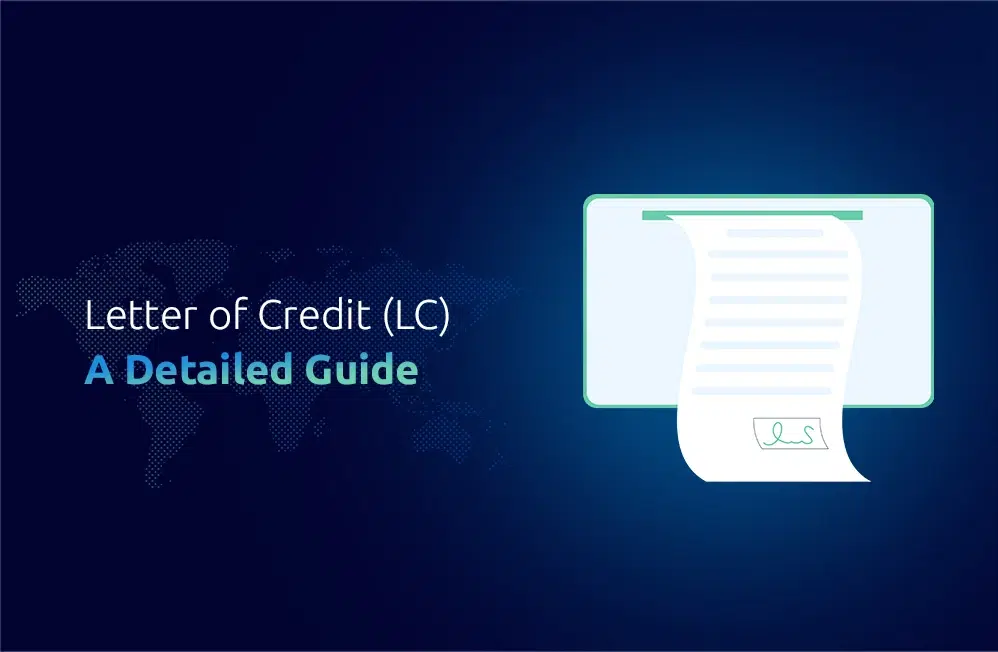
In today’s global trade environment, secure payment methods are essential to ensure trust and reliability between buyers and sellers. A Letter of Credit (LC) plays a key role in facilitating international transactions by providing a bank-backed payment guarantee. It helps reduce financial risks and ensures that both importers and exporters meet their agreed trade obligations smoothly.
What is a Letter of Credit (LC)?
A Letter of Credit (LC) is a financial instrument given by a bank or money-related foundation in light of a legitimate concern for a merchant, guaranteeing a portion to the exporter once unambiguous arrangements are met. This record fills in as a well-being net, confirming to the two players that assets are gotten and may be delivered when all conditions illustrated in the LC are satisfied. By moving the installment commitment from the shipper to a believed bank, the Letter of Credit lays out a reliable structure that cultivates trust and advances smoother exchanges in worldwide exchange.
Understanding Key Terms in Letter of Credit
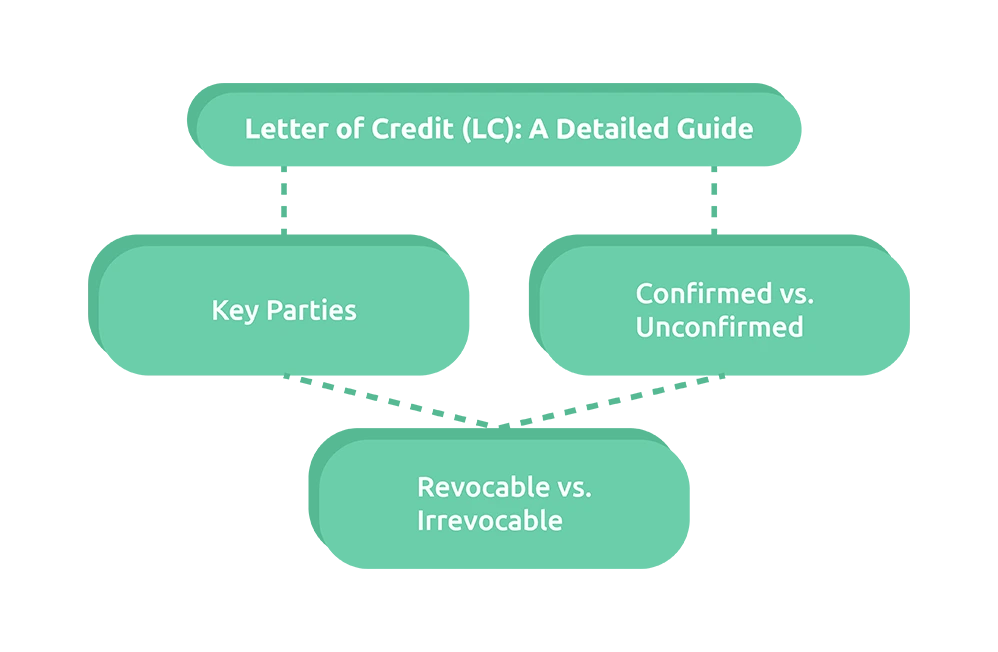
A Letter of Credit (LC) is a crucial financial instrument in international trade that guarantees payment to the seller, provided that all terms and conditions are met. It ensures security for both buyers and sellers by involving a bank as an intermediary. When dealing with an LC, it’s essential to understand key trade terms such as Incoterms, which define the responsibilities of buyers and sellers regarding shipping, costs, and risks. For instance, under the DAP (Delivered at Place) term, the seller is responsible for delivering goods to the buyer’s specified location. Additionally, importers and exporters must classify goods accurately using the HS Code (Harmonized System Code) or HTS Code (Harmonized Tariff Schedule Code) to determine applicable tariffs and trade regulations. Some shipments may also qualify for preferential treatment under the GSP (Generalized System of Preferences), reducing import duties for goods from eligible developing countries. Understanding these terms helps streamline trade transactions and ensures compliance with global trade regulations.
How Letters of Credit Work in the Import/Export Process
A Letter of Credit (LC) is a basic monetary device in global exchange, giving a safe installment assurance to exporters and safeguarding shippers by possibly delivering installments when specific circumstances are met. The following is a bit-by-bit outline of LC capabilities in the import/export process, featuring the job of the Importer of Record (IOR) and how the IOR number fits into customs and administrative compliance.
Step-by-Step Process for Using a Letter of Credit
Initiating the LC:
The importer (Applicant) contacts their bank (Issuing Bank) to demand a Letter of Credit for the exporter (Recipient). This solicitation shows that the shipper is monetarily dedicated to the buy, however installment might be made assuming the terms are met.
Drafting LC Terms:
The importer and exporter agree upon the LC expressions, including the kinds of products, amounts, transporting details, and documentation necessities. The importer works with their bank to guarantee that the LC expressions line up with exchange and customs prerequisites.
Issuance of the LC:
The responsible bank makes and sends the LC to the exporter’s bank (Exhorting Bank), which confirms and transfers the report to the exporter. This LC guarantees that payment will be made once the exporter fulfills the agreed-upon conditions.
Shipment of Goods and Documentation:
The exporter transports the products as determined and readies generally essential documentation, like the bill of filling, pressing rundown, and customs announcements.
Submission of Documents to the Bank:
The exporter presents the archives to their bank, which advances them to the responsible bank. The responsible bank confirms that all records meet the LC expressions, including customs leeway where the IOR number is expected to work with smooth handling.
Payment to the Exporter:
When the responsible bank affirms that all terms are met, it approves installment to the exporter’s bank. Reserves are then delivered to the exporter, finishing the LC exchange.
Easy and Reliable Letter of Credit Services for Global Trade
Doing business across borders isn’t just about paperwork—it’s about having the right support. With trusted letter of credit services, your international deals become easier and safer. Whether you’re using an international letter of credit or handling letter of credit shipping, working with experts makes sure everything is done right and on time. These services help buyers and sellers follow the rules, avoid problems, and keep shipments moving smoothly.
How to Obtain an Importer of Record (IOR) Number
An Importer of Record (IOR) number is a unique code used in global trade that shows the person or business responsible for customs compliance, duties, & taxes on imported goods. It is connected to a company’s tax or registration details & is required for smooth customs clearance. Businesses must register with customs authorities, submit proper documentation, & complete verification to obtain it. After approval, the IOR number is issued for legal import operations. Ongoing compliance with trade regulations is essential to maintain its validity.
How One Union Solutions Supports LC Transactions as Your IOR
One Union Solutions specializes in Importer of Record (IOR), Exporter of Record (EOR), and consistency in the executive’s administrations, supporting consistent and agreeable global exchange. We give a full scope of import and product benefits that handle everything from administrative necessities to documentation, guaranteeing merchandise stream proficiently across borders. By taking on IOR and EOR jobs, One Union Solutions assists organizations with alleviating risk and smoothing out import/export processes while guaranteeing consistency with nearby traditions and exchange regulations.
Conclusion
The Letter of Credit is a strong monetary device that empowers trust and security in worldwide exchange, furnishing the two merchants and exporters with the confirmation that exchanges are upheld by dependable, evident responsibilities. Matched with a devoted Importer of Record administration, LCs consider effective and consistent import/trade tasks.
One Union Solutions offers essential IOR services for businesses navigating complex international markets that simplify import processes, mitigate risks, and ensure regulatory compliance. Reach us to find out how our IOR aptitude can uphold your Letter of Credit exchanges and smooth out your worldwide activities.
DID YOU KNOW
“Letters of Credit (LC) date back to antiquated shipping lanes in Babylon, where vendors utilized comparative assurances to guarantee secure exchanges. Modern LCs are essential in international trade, helping reduce risks by providing a financial safety net for both importers and exporters.”
FAQS
What is a Letter of Credit (LC), and why is it important?
A Letter of Credit (LC) is a financial document issued by a bank guaranteeing payment to the exporter, provided specific terms are met. LCs are essential in international trade, as they protect both importers and exporters by reducing the risks of non-payment and ensuring compliance with agreed terms.
What does an Importer of Record (IOR) do in an LC transaction?
The Importer of Record (IOR) is responsible for ensuring that imported goods comply with local regulations, handling duties, taxes, and customs clearance. In an LC transaction, the IOR ensures that all documentation, including the IOR number, is accurate, helping to prevent delays and fines.
How do I obtain an IOR number?
To get an IOR number, you typically need to register your business with the customs authority in the country where you plan to import. In the U.S., companies can use their Employer Identification Number (EIN) or request a Customs-Assigned Number if they don’t have an EIN. Requirements may vary by country.
What happens if the terms of an LC are not met?
If the exporter fails to meet the terms of the LC, such as shipping the correct quantity or quality of goods, the issuing bank may not release payment. This protects the importer, as payment is only guaranteed when conditions are fulfilled.
How does international trade benefit from Letters of Credit?
Letters of Credit improve international trade by reducing payment risks and building trust between buyers and sellers. They ensure that exporters receive payment only after fulfilling contract terms. This makes cross-border transactions safer and more reliable for businesses.