Introduction
Importing high-value IT hardware has become a major necessity for businesses depending on advanced computing, networking, and digital infrastructure. From servers and data center equipment to special organization-grade devices, global sourcing allows access to innovation and cost efficiency. Also, the process is far more difficult than regular imports. Importers must guide customs clearance, understand import duties and tariffs, and confirm strong customs compliance for tech imports. Any error in categorizations or documentation can result in delays, fees, or seizure of goods, making regulatory agreement knowledge necessary for smooth global trade.
How Global Compliance Requirements Shape IT Hardware Imports?
Importing high-value IT hardware requires businesses to follow multiple compliance requirements beyond product shipment. Regulatory approvals, technical documentation, and accurate customs information help prevent unnecessary delays. Different countries may apply specific rules for advanced computing equipment, making preparation essential. A structured compliance approach supports smoother customs processing and reliable international deliveries
Importing High-Value IT Hardware Using HS Codes and Customs Compliance
Customs officials globally depend on standardized classification systems to regulate and track trade. When importing IT equipment, customs compliance begins with accurate product categorization and valuation. HS codes for IT hardware determine applicable IT equipment import tariff rates and improve inspection requirements. High-value shipments are frequently related to increased scrutiny, making it necessary to include invoices, product information, and announced values with customs expectations. Exact import-export documentation confirms clarity and reduces the risk of issues during customs clearance. Businesses that use agreements in their supply chain optimization plans are better situated to avoid issues and manage costs effectively.

The Role of Customs in High-Value IT Imports
Customs authorities assess imported IT hardware to confirm regulatory approval, correct duty payment, and national security compliance. Given the sensitive nature of advanced technology, officials may also verify end use and technical specifications. Importers who proactively work with customs requirements experience a quick release schedule and some approval problems.
What Is the HS Code and Why Is It Mandatory for Importing High-Value IT Hardware?
The HS code is a globally recognized numerical system used to categorize traded goods. For IT hardware, the correct Harmonized system code categorization defines how goods are taxed, regulated, and documented in the region. Customs systems across borders depend on this code to calculate import duties and tariffs, making it necessary for every shipment. Incorrect HS categorization can lead to incorrect payments of duties, initiating audits or penalties. As IT hardware frequently requires multiworking or combined technologies, careful analysis of good descriptions is necessary to confirm correct categorization and agreement.
HS Codes and Duty Calculation Accuracy
Accurate HS codes for IT hardware directly impact duty estimation and customs processing speed. When classification aligns with product functionality, customs authorities can process entries efficiently, reducing clearance delays and unexpected financial exposure for importers.
Common Mistakes When Classifying IT Hardware with HS Codes
One of the most common mistakes importers make is using standardized or outdated HS classifications for advanced IT equipment. High-value devices frequently combine computing, networking, and storage capabilities, which can lead to misinterpretation during categorization. Another frequent issue is to depend completely on supplier-provided codes without verifying them against national customs databases. Inconsistent descriptions between invoices, packing lists, and shipping documents can make customs clearance difficult. These errors may result in review of duties, shipment holds, or post-clearance inspections that increase working risk.
The Customs Clearance Process for Importing High-Value IT Hardware
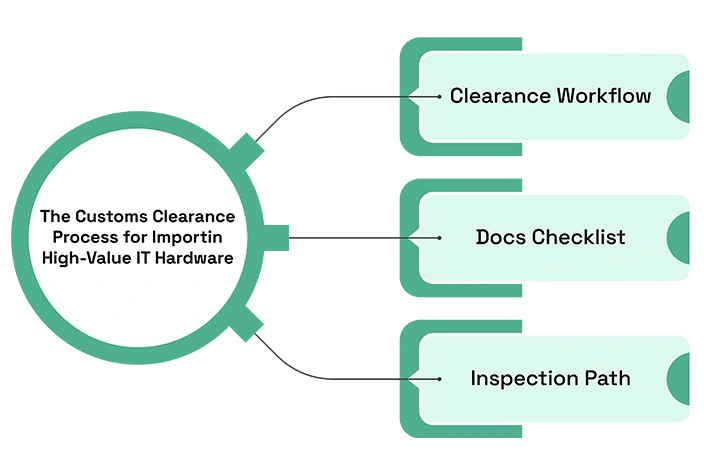
The customs clearance process begins with filing accurate declarations supported by complete import-export documentation. Authorities review the declared HS classification, transaction value, and origin details before determining applicable import duties and tariffs. High-value IT shipments may undergo physical inspection or technical evaluation to confirm product details. Engaging experienced international freight services and professional IOR services can simplify compliance, especially when importing into unfamiliar regions. Acting as the Importer of Record Service provider, these organizations confirm regulatory accountability and timely submission of customs data. Efficient coordination across supply chain management, warehousing, and transportation further supports predictable delivery timelines.
Why Importer of Record Support Matters
An Importer of Record Service assumes legal responsibility for compliance, allowing businesses to focus on core operations. This is specifically valuable for organizations importing IT hardware across multiple regions with changing customs regulations.
Conclusion
Importing high-value IT hardware requires more than just rise of right technology; it demands a structured approach to customs compliance, categorization accuracy, and documentation management. Understanding HS codes, avoiding common categorization errors, and following a disciplined customs clearance process can mostly reduce risk and cost. By following customs compliance for tech imports with broader supply chain optimization efforts, businesses can achieve faster clearance, predictable duties, and uninterrupted access to critical IT devices.
DID YOU KNOW?
In 2025, India continued to rely heavily on imported IT hardware, with over 90% of laptops sold in the country imported, mainly from China. The DGFT Import Management System (IMS) for laptops, tablets, PCs, and servers under HSN 8471 helps monitor and manage these imports.
FAQs
1. What is an HS code, and why is it important for importing IT hardware?
HS codes are standardized numerical codes that classify traded goods. They are crucial for calculating duties, determining regulations, and ensuring smooth customs clearance for IT hardware.
2. What are common mistakes when using HS codes for IT hardware imports?
Frequent mistakes include using outdated codes, relying solely on supplier-provided codes, and inconsistencies in invoices and shipping documents, which can lead to delays or penalties.
3. How can businesses simplify customs clearance for high-value IT equipment?
Engaging experienced freight forwarders and Importer of Record services helps ensure compliance, accurate documentation, and timely submission of customs data.
4. What role does customs play in high-value IT hardware imports?
Customs authorities check regulatory compliance, duty payment, and technical specifications, sometimes conducting physical inspections for sensitive or advanced IT equipment.
5.How can companies reduce risks during IT hardware imports?
Companies can reduce risks by verifying product classification, maintaining accurate documentation, following local regulations, and working with experienced compliance partners.