Introduction
The healthcare service is undergoing a huge change, with telemedicine growing as a vital part of accessibility and efficiency. Telemedicine, the method of delivering medical care remotely using digital communication technologies, has mainly expanded the scope of patient care, allowing consultations, diagnostics, and monitoring without the requirement for physical visits. This change is not only improving patient outcomes but also showing a growing demand for medical device imports globally. As healthcare providers mostly use telemedicine, the required for difficult equipment ranging from surgical devices to health monitors has grown, creating a wave effect in the global medical device market.
What is Telemedicine?
Telemedicine refers to the use of technology to provide clinical services indirectly. It contains video consultations, remote patient monitoring, and mobile health applications, all looking to fill the gap between patients and healthcare providers. Telemedicine depends heavily on a variety of medical devices such as digital stethoscopes, portable ultrasound machines, blood pressure monitors, and wearable sensors. The integration of these devices into digital health platforms has made healthcare more proactive, allowing early diagnosis and continuous long-term health monitoring of conditions. Accordingly, the requirement to import high-quality, dependable medical equipment has increased, as domestic production frequently cannot meet the demand or technological standards required.

Why the Healthcare System Needs Telemedicine
The growing difficulty of modern healthcare systems, combined with the growing regularity of chronic diseases and aging populations, has created pressure on conventional medical devices. Telemedicine provides an approach to reducing the load in hospitals and clinics in areas with reduced use. For healthcare systems to use telemedicine effectively, they must invest in new medical devices and confirm that these tools are smoothly combined into a digital source. This necessity has grown global trade in medical equipment, as healthcare providers look for new devices that meet regulatory guidelines and technological requirements. Supply chain management, warehousing, logistics, and real-time shipment tracking play a vital role in confirming that these imported devices arrive on time and remain work for the necessary healthcare services.
Digital Health Platforms Are Unifying Medical Device Imports
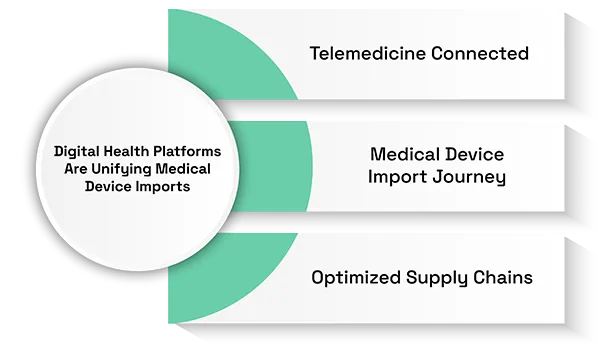
It works as the support of telemedicine, connecting various medical devices, electronic health records, and patient data streams. By combining these parts, digital sources simplify the management of imported medical devices, confirming that hospitals and clinics can improve healthcare services. These platforms simplify supply chain optimization by combining logistics, customs clearance, and import duties into a complete shipment, frequently using international freight services and Delivered Duty Paid service arrangements. This combination reduces delays and official loads, making it easier for healthcare providers to access necessary medical equipment. Also, warehousing solutions for import and export goods, combined with last-mile delivery services, confirm that devices arrive in optimal condition, having working and manufacturer warranties.
What Are the Major Contributors to the Telemedicine Market?
Many parts contribute to the quick growth of the telemedicine equipment market. First, technological advancements in wearable devices, imaging equipment, and remote monitoring tools are driving innovation and expanding the range of services that telemedicine can provide. Second, regulatory support and government initiatives are developing digital health to support healthcare providers in sourcing advanced medical devices from global trade. Third, the attention to patient-first approach care method and preventive healthcare has heightened the demand for dependable devices, making supply chain efficiency necessary. Import-export documentation, IOR services, and agreement with import duties and tariffs are necessary parts in confirming that medical devices move smoothly across borders. Also, transportation and warehousing services, real-time shipment tracking, and supply chain optimization contribute to having unwanted entry to necessary equipment for healthcare providers globally.
Conclusion
Telemedicine is changing healthcare by making it more accessible and effective. As the demand for remote care grows, so does the global required for advanced medical devices, global trade, and imports of vital equipment. Digital health sources are necessary to this process, unifying device management, simplifying logistics, and confirming the on-time delivery of modern devices. Effective supply chain solutions, such as warehousing, transportation, customs clearance, and real-time tracking, support the smooth combination of these devices into healthcare systems. Also, telemedicine is not only changing healthcare but also creating various global trades for medical device imports, showing the healthcare industry’s ongoing requirement for innovation and availability.
DID YOU KNOW?
The telemedicine technology market was valued at $109.99 billion in 2024 and is projected to grow from $140.02 billion in 2025 to reach $965.63 billion by 2033, at a compound annual growth rate (CAGR) of 27.3% during the forecast period of 2026 to 2033.
FAQs:
What is telemedicine, and how does it work?
Telemedicine uses digital communication technologies such as video calls, mobile apps, and remote monitoring devices to deliver healthcare services without in-person visits.
Why does telemedicine increase demand for medical device imports?
Telemedicine relies on advanced diagnostic and monitoring equipment, which often requires importing high-quality devices to meet technological and regulatory standards.
What types of medical devices are commonly used in telemedicine?
Common devices include digital stethoscopes, wearable health sensors, portable imaging equipment, blood pressure monitors, and remote patient monitoring tools.
How do digital health platforms support medical device imports?
Digital health platforms integrate logistics, customs clearance, warehousing, and shipment tracking to ensure the timely and efficient delivery of imported medical devices.
How does telemedicine improve global healthcare accessibility?
Telemedicine allows remote consultations and continuous monitoring, making healthcare services accessible to underserved and remote populations worldwide.