
Introduction
The global technology supply chain in 2026 continues to be influenced by the aftershocks of prolonged semiconductor shortages and rapidly rising GPU demand in the IT industry. As industries use artificial intelligence, cloud computing, and data-intensive applications, the required for advanced chips has grown faster than production capacity. This imbalance has primarily affected IT equipment imports, inducing strong organizations to reconsider their customs clearance, international freight services, and overall supply chain management. The global chip shortage of 2026 is no longer just a manufacturing issue; it has become a logistics and trade problem with long-term impact on IT imports.
How is the global chip shortage reshaping IT import strategies in 2026?
Companies are diversifying suppliers, increasing inventory buffers, and prioritizing critical components to manage supply disruptions. In 2026, this shift has become more strategic, with businesses moving toward multi-region sourcing to reduce dependence on a single country or supplier. Many organizations are also adopting long-term procurement contracts and forming direct partnerships with chip manufacturers to secure stable supply and pricing.
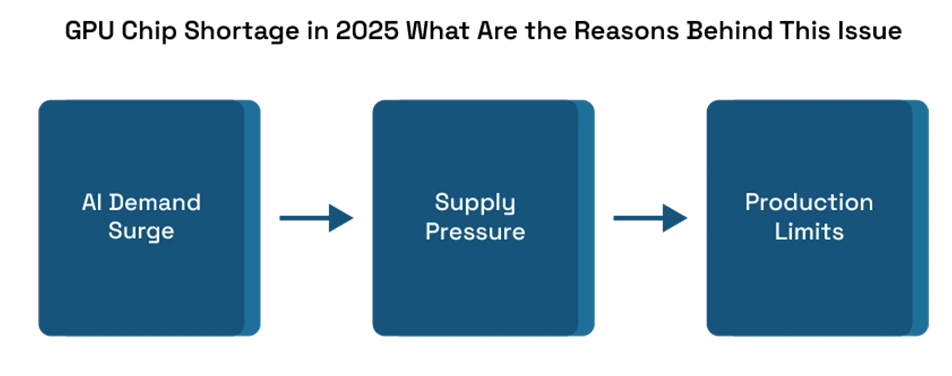
GPU Chip Shortage in 2026: What Are the Reasons Behind This Issue?
Growing Demand from AI and advanced computing systems
One of the main reasons behind the GPU chip shortage is the quick growth of AI, machine learning, and high-efficiency cloud processing loads. Data centers, research institutions, and organizations are looking for minimum GPU supplies, position sustained pressure on manufacturers and the global supply chain.
Production Constraints and Trade Barriers
Semiconductor manufacturing remains highly necessary and capital-intensive, making it difficult to grow quickly. Also, changing import duties and tariffs, export guidelines, and regional trade policies have made the cross-border shipment of chips difficult. These factors have increased semiconductor logistics challenges, leading to delays, higher logistics costs for electronics import, and unpredictable delivery schedules.

How are they reshaping IT Import Logistics During the Global Chip Shortages in 2026?
Change from Just-in-Time to Reserve Inventory Models
The ongoing shortage has reshaped IT import logistics plans across industries. Organizations are moving away from on-time procurement and using safeguard inventory approaches to protect against supply disruptions. This has increased dependence on supply chain management warehousing solutions that provide secure storage and faster local supply of high-value IT equipment.
Greater Dependence on Importer of Record Services
With regulatory requirements becoming more complex, businesses are increasingly depending on importer of record service providers. Managing documentation, customs clearance, and compliance with changing IT equipment import tariff rates requires specialized expertise. Importer of record service methods help reduce shipment delays and confirm smooth entry of GPUs and other critical components into the destination trades.
Major Changes in IT Import Logistics After Global Chip Shortages
Importance of Supply Chain Optimization
Supply chain optimization has become a top priority for IT importers in 2026. Organizations are investing in visibility tools and analytics to track shipments, expect disruptions, and work with international freight services more effectively for IT Import Logistics. This proactive approach reduces risks related to long shipping times and changing freight availability.
Rising Costs and Compliance Complexity
Increased logistics costs for electronics import and strong scrutiny during customs clearance have changed cost control and planning processes. Importers must now account for variable import duties and tariffs while maintaining approval across multiple regions. These changes have made logistics planning a major work rather than a back-end operation.
IT Import Logistics Industry Trends and the Future of Manufacturing?
Regional Manufacturing and Supply Chain Resilience
Governments and private customers are investing heavily in regional semiconductor manufacturing to reduce dependence on a minimum of global suppliers. While these initiatives will take time to grow, they show a change toward more flexible and changed supply chains that can support constant IT equipment imports in future logistics.
Evolution of Global Freight and Warehousing Models
International freight services are developing to support flexible routing, multimodal logistics, and faster response times. At the same time, supply chain management warehousing is becoming more combined with transport planning, allowing organizations to balance speed, cost, and agreement more effectively.
Conclusion
The global chip shortages and growing GPU demand in 2026 have permanently changed IT import logistics. What was once a predictable shipping of components has developed into a difficult ecosystem changed by supply constraints, regulatory change, and cost pressures. Organizations that focus on supply chain optimization, use an importer of record service expertise, and flexible international freight plans of shipping will be better equipped to guide ongoing uncertainty. As manufacturing capacity expands and logistics chains are used, the lessons learned during this period will define the future of global IT trade.
DID YOU KNOW?
TSMC, the world’s largest contract-based chip manufacturer, is also considering a 10% increase in the prices of advanced wafers. At its Arizona facility, the cost of producing 4-nanometer chips is approximately 30% higher than in Taiwan, reflecting the additional cost of manufacturing in the United States.
FAQs:
What is causing the GPU chip shortage in 2026?
The GPU chip shortage in 2026 is mainly driven by rising demand from AI, cloud computing, data centers, and advanced computing systems, combined with limited semiconductor manufacturing capacity and trade restrictions.
How are global chip shortages affecting IT import logistics?
Chip shortages have increased shipping delays, logistics costs, and regulatory complexity, forcing businesses to adopt buffer inventory models, optimize freight routes, and rely more on importer of record services.
Why are importer of record services important during chip shortages?
Importer of record services help companies manage customs clearance, compliance with import duties, and documentation, reducing shipment delays and regulatory risks during volatile supply conditions.
How have IT import strategies changed due to semiconductor shortages?
Companies are shifting from just-in-time procurement to buffer inventory models, investing in warehousing, improving supply chain visibility, and planning imports well in advance.
Will regional semiconductor manufacturing reduce future IT import disruptions?
Yes, regional manufacturing initiatives aim to improve supply chain resilience, reduce dependence on limited suppliers, and stabilize IT equipment imports over the long term.