International tariffs are developing, changing shifts across the automotive sector, forcing manufacturers to update everything from supply chains to technology plans. This analysis explains the important risks & strategic pivots needed as the industry navigates unprecedented trade uncertainty, with insights on how companies can position themselves for success in this new reality.
New tariffs are forcing automakers & electronics manufacturers to adopt globalized, single-source supply chains in favor of localized, friend-shored models. This division is driving up costs, developing global manufacturing footprints, & accelerating the localization of supply ecosystems to improve the impact of developing border duties.
Understanding Tariffs in Global Trade
Understanding tariffs is useful in today’s volatile trade landscape. Tariffs can update supply chains, impact costs, & disrupt competition. Businesses often need to change their strategy as they navigate uncertainty, changing policies, & global economic tensions.
Tariffs are developing the way companies operate, impacting costs, supply chains, & competitive dynamics. But tariffs are also often misunderstood. Common assumptions about who pays, how businesses are affected, or the length of tariffs can lead to costly missteps. Understanding tariffs & why they matter is useful for businesses navigating global policy shifts & economic pressures.
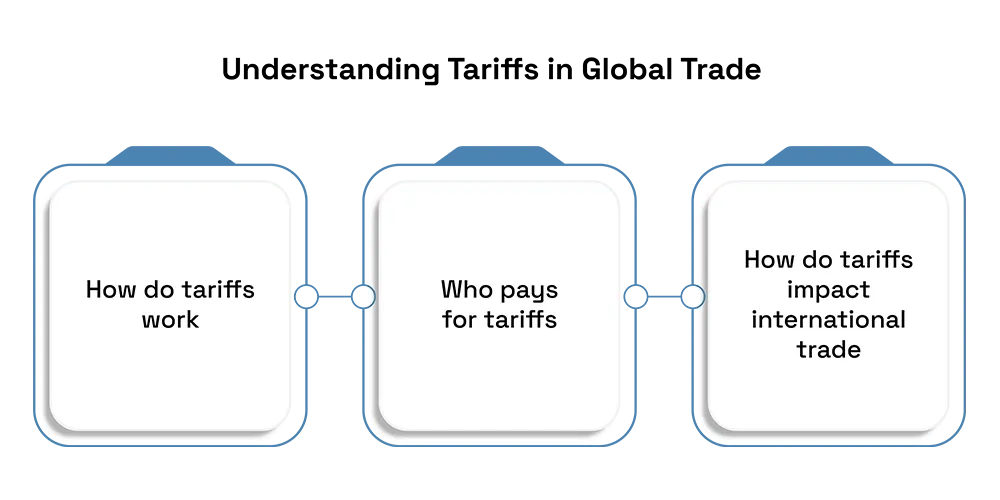
How do tariffs work?
Governments work on tariffs as a tool for trade policy. Other countries often introduce their own tariffs in response.
The US government has recently introduced a broad range of tariff measures that vary in scope & impact depending on the origin of the goods, the industries involved, and specific compliance with provisions or some US trade agreements. In the US, specific types of tariffs are administered by different federal agencies, each grounded in distinct legal authorities & policy objectives.
Who pays for tariffs?
The “importer of record” pays the tariff when the goods enter the country. The cost often gets passed along the supply chain, mainly effecting businesses or consumers, depending on market dynamics. If a product contains components from some countries, its whole value can be subject to tariffs that are incurred by the country where final assembly is done.
How do tariffs impact international trade?
Tariffs updates the pricing change of international trade. They may raise the cost of imported goods, supporting consumers & businesses to look for local options This may support some domestic industries, but it can also use to higher prices for customers & businesses, with second-order effect on the economy & business confidence. Responsive actions from other countries may create a more difficult environment for exporters & many companies to update. A collective development of trade issues can also place a load on the rules & norms of the global trading system.
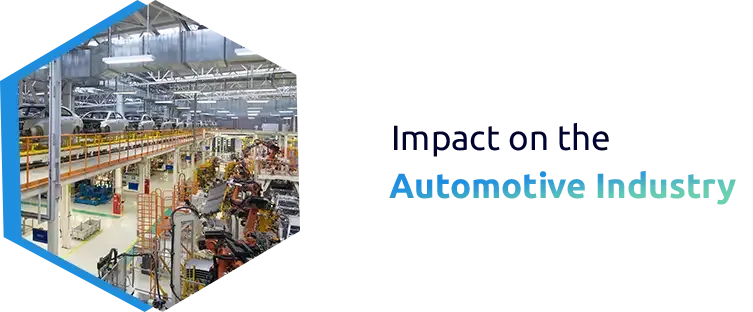
Impact on the Automotive Industry
The automotive industry is facing many issues from recent U.S. tariff policies, which have updates long term global trade agreements. The impact varies by industry & depends on factors such as reliance on taxed materials, price flexibility, & growth potential. Given the unusual scale of these changes, it may take time to fully understand their short & long-term effects on the sector. Industry observers & advisor indicate that the management & automotive sectors will be the most affected. Impacting the economy & demand, some level may become permanent.
Almost every automotive manufacturer’s vehicles in China are intended for import into the US market. With a 145% tariff on all imports from China, there is an urgent need for relocating vehicle production to other low-cost, lower-tariff countries like India & Korea. Historically had a production base in India, which makes it mainly easier for them to shift production from China to India.
Impact on the Electronics Industry
New tariffs mainly disrupt the electronics industry by increasing raw material costs, creating supply chain instability, & working the “China Plus One” manufacturing shift. Mainly, original equipment manufacturers face shrinking profit margins, delayed product launches, & the need to develop products to circumvent restricted or highly taxed components.
The automotive sector is mainly an issue because many vehicles depend on thousands of imported components that cross borders many times during the manufacturing process. Tariffs on automotive parts increase operational costs for manufacturers, suppliers, & dealerships, ultimately leading to higher vehicle prices for consumers. Developing costs also reduce profit margins for automakers already facing pressure from inflation, technological transformation, & changing consumer demand.
Conclusion
New tariffs are mainly changing the automotive & electronics industry by improving costs, issue global supply chains, & accelerating the change toward regionalized management strategies. Industries that once depended mainly on highly interconnected international production networks are now being forced to reconsider sourcing models, manufacturing locations, & long-term investment decisions in response to developing trade issues & geopolitical uncertainty.
Did you know?
The 27 January announcement of a free trade agreement between the European Union and India represents more than diplomatic theatre. For automotive manufacturers, it marks a significant recalibration of production strategy in the world’s third-largest vehicle market.
FAQs
1. How do tariffs affect the automotive industry?
Tariffs increase the cost of imported vehicles, raw materials, and automotive components, leading to higher manufacturing expenses, supply chain disruptions, and increased vehicle prices for consumers.
2. Why is the electronics industry highly vulnerable to new tariffs?
The electronics industry depends heavily on global supply chains for semiconductors, chips, batteries, and other components. Tariffs raise production costs, delay product launches, and create sourcing challenges for manufacturers.
3. What is the “China Plus One” strategy?
The “China Plus One” strategy refers to companies diversifying manufacturing operations beyond China by expanding production into countries such as India, Vietnam, and Mexico to reduce trade and geopolitical risks.
4. Who ultimately pays for tariffs?
The importer of record initially pays the tariff when goods enter a country, but the added costs are often passed through the supply chain to businesses and consumers in the form of higher prices.
5. How are companies adapting to rising global tariffs?
Businesses are responding by diversifying suppliers, regionalizing production, investing in local manufacturing, increasing inventory resilience, and restructuring supply chains to reduce dependency on high-tariff regions.