Overview
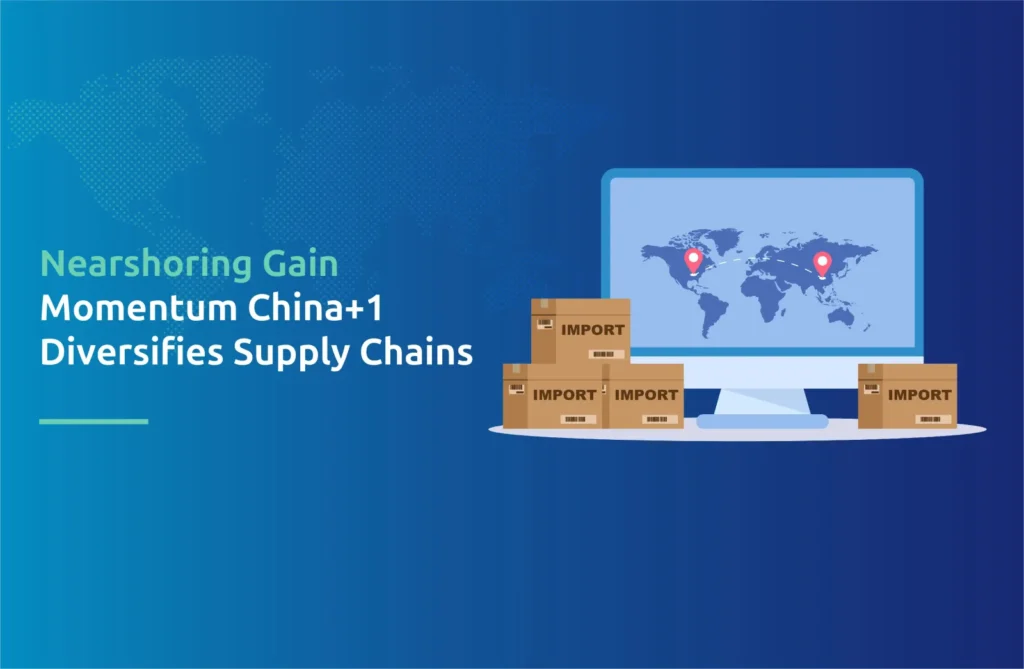
Global supply chains are changing due to trade risks, increasing costs, or delays. Companies are using nearshoring & the China+1 strategy to reduce need on a single country & build more flexible operations. Businesses are growing into Mexico, Southeast Asia, Africa, & growing markets while handling new challenges such as customs compliance, import requirements, & documentation requirements.
Why Are Companies Moving Away From Single-Country Supply Chains?
Many international businesses previously rely on China for production companies because of its strong network, skilled workforce, & strong supplier networks. However, latest supply chain delays, changing trade policies, shipping challenges, or increasing costs have identified the risks of depend on one primary location.
A single-country supply chain can create major challenges when sudden events occur, including production delays, shipping delays, or regulatory changes. As a result, companies are adopting expansion planning to build more strong operations. By creating production facilities or sourcing partnerships in multiple regions, businesses can minimize risks & maintain a more stable flow of goods.
What Is the China+1 Strategy?
The China+1 strategy means managing operations in China while adding production companies or sourcing locations in other countries.
This method helps businesses reduce dependency, improve supply chain flexibility, and create stronger global network.Countries like Vietnam, India, Thailand Malaysia, or Mexico are becoming popular choice for industries such as electronics,automotive,telecom etc.
How Nearshoring Is Changing Global Manufacturing
Regional sourcing includes moving production companies closer to key customer markets to reduce distance, improve delivery speed, or strong supply chain control. Mexico has become a major regional sourcing hub for North American companies due to its location, production capabilities, & trade benefits. Businesses growing into new regions must also manage local rules, import rules, or compliance needs.
How Mexico Is Becoming a Key Manufacturing Hub
Mexico has become one of the major player in regional sourcing trends. Its location near the United States, available workers, & strong industrial network make it an strong option production destination.
Industries such as automotive, electronics, aerospace, or technology are enhancing operations in Mexico. Companies benefit from smaller shipping routes, easier management, & access to regional markets.
However, businesses importing equipment, machinery, or technology into Mexico must follow with customs rules, product standards, & documentation requirements. Proper import planning helps avoid delays & make sure smooth movement of goods across borders.
Why in Southeast Asia Is Growing Through Supply Chain Expansion?
Southeast Asian countries have become key destination under the China+1 plan. Countries such as Vietnam, Malaysia,Thailand ,or Indonesia are securing investment from companies looking to improve production.The region offers competitive production costs,growing network, and growing industrial capabilities.
Electronics, consumer technology, automotive components,and semiconductor industries are growingly developing supply chain network.
Africa’s Growing Role in Global Supply Chains
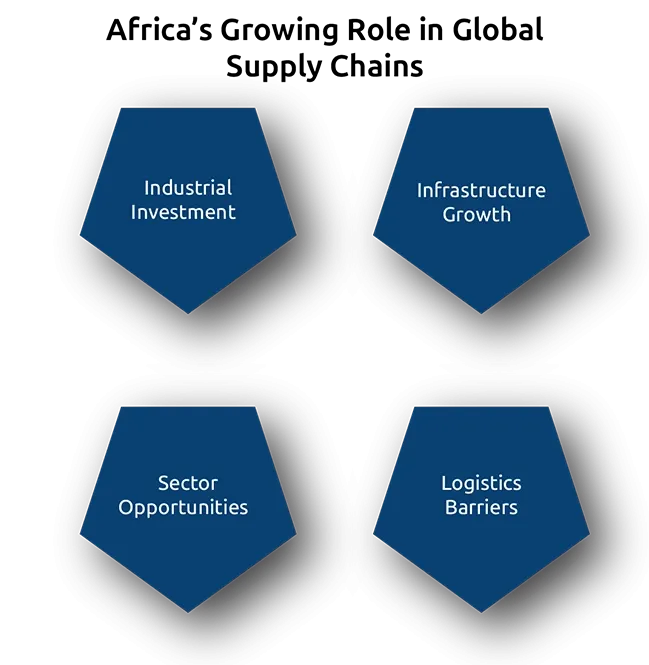
African markets are also gaining attention as companies search for new production companies & sourcing opportunities. Countries across Africa are investing in industrial development, network improvement, & trade growth.
Regions such as North Africa or parts of Sub-Saharan Africa provide opportunities in industries including automotive components, renewable energy equipment, technology, & manufacturing.
However, growing into African markets can involve complex customs processes, import rules, & logistics challenges. Businesses entering these markets require proper planning and local compliance knowledge to make sure successful operations.
Benefits of Supply Chain Diversification
Supply chain expansion helps companies reduce working risks by avoiding over rely on one production location. By expanding into multiple regions, businesses can improve flexibility & respond faster to market changes.
Companies can also benefit from shorter shipping routes, reduced transport delays, access to new customers, & improved production stability. Expansion allows businesses to create stronger global networks that can better handle economic & political risk.
For technology, medical, automotive, & industrial companies, expansion also creates opportunities to expand into emerging markets while maintaining reliable supply chain operations.
Challenges of Nearshoring and China+1 Expansion
Although supply chain expansion provides many benefits, companies also face challenges when entering new markets.
Each country has different customs rules, tax requirements, import processes and ,product compliance stadards
Businesses may have to handle import approvals, customs documentation, or import rules. Without proper preparation, shipments can face delays, extra costs, or compliance issues.
Handling multiple providers & locations also requires strong collabration between production companies, logistics providers, & compliance teams. Companies must develop effective planning to maintain transparency & control across their global operations.

How IOR Services Support Global Supply Chain Expansion
As companies expand into new production regions, managing global imports becomes more complex. Importer of Record IOR services help businesses overcome these challenges by handling customs compliance, documentation, duties, & customs requirements.
An IOR partner allows companies to import equipment, technology, & machinery into new markets without creating a local legal entity. This is especially valuable for businesses setting up production facilities, technology deployments, or temporary projects in growing regions.
One Union Solutions supports global companies with reliable IOR and EOR services across multiple countries. By managing compliance requirements & import processes, businesses can expand their operations more effectively while reducing risks.
Conclusion
Regional sourcing & the China+1 strategy are helping businesses build flexible or strong global supply chains by growing into regions like Mexico, Southeast Asia, and Africa. However, managing cross-border compliance or import requirements can be challenging. One Union Solutions supports businesses with reliable IOR and EOR services, helping them simplify global expansion & manage global shipments smoothly.
Did You Know?
🇲🇽 Mexico attracted a record US$40.87 billion in Foreign Direct Investment (FDI) in 2025, marking a 10.8% increase over 2024. The Mexican government attributes much of this growth to increased manufacturing investment and global companies expanding production closer to North American markets.
Frequently Ask Questions?
1 What is the China+1 strategy in global supply chains?
The China+1 strategy is a supply chain process where companies are constantly operating in China while adding production or sourcing locations in other countries. This helps businesses reduce depend on a single market & improve supply chain stability.
2 Why are companies choosing regional manufacturing instead of offshore manufacturing?
Companies choose regional sourcing to move production closer to their main markets, reduce shipping time, improve communication,& lower supply chain risks. Its helps businesses reach faster delivery or better working control.
3 Which countries are benefiting from the China+1 strategy?
Countries such as Mexico, Vietnam, India, Thailand, Malaysia, & several African markets are attracting businesses across new production investments, skilled labor availability, & improved network.
4 How does supply chain expansion help businesses manage risks?
Supply chain expansion allows companies to reduce delays caused by trade limitation, global political issues, transport delays, or regional challenges. Multiple sourcing locations provide greater flexibility & business continuity.
5 How can IOR services support companies expanding into new markets?
IOR services help businesses manage import compliance, customs documentation, duties, & import rules when entering new markets. This allows companies to import equipment and goods smoothly without establishing a local entity.