Overview
International trade has become faster or more linked than ever before, but customs clearance stay one of the most important steps in moving goods across borders. Every shipment must meet local import rules, involve accurate documentation, & meet customs requirements before it can enter a country. In the past, customs processes rely heavily on paper documents & manual processing, which often led to delays, documentation errors, & higher working costs.
Today, many customs officials are shifting traditional processes to digital customs platforms. These systems allow importers, logistics providers, or customs officials to exchange information online, making border clearance faster & more clear. Businesses can submit customs declarations online, & receive updates on their shipments without rely on paper-based processes.
What Are Digital Customs Platforms?
Digital customs platforms are online systems developed by customs officials to manage import & export processes digitally. Rather of using paper documents, organizations can upload commercial invoices, packing lists, approvals, certificates, or customs declarations across a secure online platform.
These platforms allow customs officials to review documents, verify shipment details, calculate duties or taxes, & communicate with importers before the cargo reaches the border. Since information is shared digitally, customs compliance can process shipments more efficiently & reduce extra paperwork.
Why Are Digital Customs Platforms Becoming More Important?
Global supply chains now move products between countries every day, & businesses expect faster delivery than ever before. Conventional customs processes often struggle to keep pace because they involve manual document checks, repeated data entry, and physical paperwork.
Digital customs platforms help solve these challenges by making customs processes more effective. Businesses can prepare documents before shipments arrive, minimizing waiting times at ports or airports. Import approvals also benefit because digital systems improve data accuracy & make it simple to find missing information before clearance begins.
For companies importing IT equipment, telecom hardware, medical devices, industrial machinery, or other regulated products,support faster processing while helping maintain compliance with import rules.
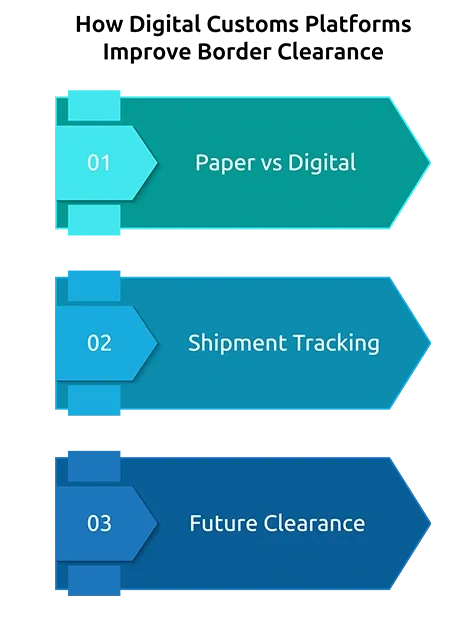
How Digital Customs Platforms Improve Border Clearance
One of the key benefits of digital customs platforms is that they improve communication between organizations & customs offices. Importers can submit information digitally rather of moving paper documents, allowing customs officials to begin checking shipments before they reach the destination country.
Digital systems also help reduce documentation errors by finding incomplete information before submission. This reduces the risk of customs delays caused by missing documents or incorrect shipping information.
Many digital customs platforms also provide shipment tracking features that allow businesses to monitor the status of customs declarations. If customs teams request extra information, companies can respond quickly across the same platform, helping prevent extra delays.
Challenges Businesses Still Face
While digital customs platforms have improved customs clearance, they do not prevent every challenge included in global trade.
Each shipment must still include correct documentation & follow with destination-country rules. Incorrect HS code classifications, missing invoices, or incorrect product details can result in customs checks or shipment delays.
Businesses importing restricted products such as medical devices, telecom equipment, wireless technology, or industrial machinery may also need import approvals before customs clearance can be completed. These needs continue to apply even when customs documentation is submitted digitally.
Why Importer of Record Services Remain Essential
While digital customs platforms improve the speed of customs processing, they do not replace the legal duties include in importing goods. Businesses must still make sure that every shipment meet with local customs laws & regulatory requirements.
This is where an Importer of Record IOR plays an important role. An IOR is responsible for handling customs documentation, make sure meeting regulations, handling applicable duties & taxes, or supporting customs clearance on behalf of the importer.
For companies importing into countries where they do not have a registered legal entity, an Importer of Record provides a effective solution for completing imports legally & effectively. This support becomes especially valuable when transporting valuable or regulated products that require extra documentation or compliance checks.
Industries Benefiting from Digital Customs Platforms
Several industries benefit from digital customs platforms because they frequently import products that require careful customs management.
The IT or technology industry depend on effective customs clearance to move servers, networking equipment, laptops, storage systems, & data center hardware across global markets. Telecom companies regularly import routers, switches, antennas, or communication equipment that may require regulatory permits before entering certain countries.
Medical device production also benefit because healthcare equipment frequently requires extra certifications & compliance checks before customs clearance. Automotive companies importing components from suppliers worldwide can improve supply chain efficiency through faster customs processing, while industrial manufacturers importing machinery and production equipment benefit from improved shipment visibility and reduced border delays.
How One Union Solutions Supports International Imports
One Union Solutions offers reliable Importer of Record (IOR) services that simplify global imports. We manage customs documentation, compliance, duties, taxes, and import requirements for IT, telecom, medical, aviation, & industrial equipment. Our experienced team helps businesses import goods into multiple countries without setting up a local legal entity, make sure smooth customs clearance & regulatory compliance.
Conclusion
Digital customs platforms are making border clearance faster by minimizing paperwork, enhancing accuracy, & simplifying customs processes. However, organization must still meet local import rules & provide correct documentation. By using digital customs platforms with Importer of Record IOR services, companies can simplify global imports, minimize compliance risks, & keep global shipments shipping effectively.
Did You Know?
In 2025, the World Customs Organization reported that 98.1% of customs declarations are processed electronically, showing the growing adoption of digital customs platforms for faster border clearance.
Frequently Asked Questions
What are digital customs platforms?
Digital customs platforms are online systems that allow organizations to submit customs declarations, transport documents, & supporting information digitally, helping customs approvals process imports or exports more effectively.
How do digital customs platforms reduce customs delays?
Digital customs platforms reduce delays by allowing documents to be submitted before shipments arrive, enhancing data accuracy, minimizing paperwork, & helping faster communication between importers & customs authorities.
Do businesses yet need an Importer of Record when using digital customs platforms?
Yes. Digital customs platforms simplify document submission, but an Importer of Record remains in charge of for make sure imported goods meet with local customs laws, regulatory requirements, & applicable duties or taxes.
Which industries benefit the most from digital customs platforms?
Industries such as IT, telecom, medical devices, automotive, aviation, & production operation benefit because they often import valuable or regulated equipment that requires effective customs procedures.
How can businesses improve customs compliance when importing internationally?
Organizations can enhancing meeting customs rules by preparing correct documentation, using the correct HS codes, meeting destination-country rules, checking product certifications where required, & working with an expert Importer of Record service provider
.