Introduction
The growing development of artificial intelligence, cloud computing, & digital services is increasing the demand for new data centers around the world. Managing these facilities requires transporting large amounts of expensive equipment, such as servers, storage systems, networking devices, cooling units, & power infrastructure, from different countries to the project site. Since these shipments are often time-sensitive & high in value, careful freight forwarding is necessary. A well-planned logistics strategy helps businesses ship equipment safely, clear customs without unnecessary delays, & keep data center projects on schedule.
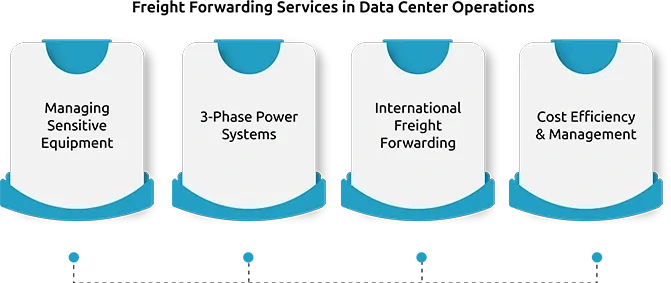
Freight Forwarding Services in Data Center Operations
Managing Sensitive Equipment: Data centre facilities have servers, database centres, & unified computing systems. Any infrastructure requires proper packaging & transportation means to avert damage during delivery. Freight forwarding solutions provide components of data centres to their final location using safe transportation models that apply custom packaging according to the individual requirements of each component.
3-Phase Power Systems:
Data centers depend mainly on their power supply infrastructure for proper operation. 3-phase power systems operate in large data centers through heavy-duty electrical equipment requiring specialized handling methods. The delivery of transformers & power units to their final locations succeeds through freight forwarding services, enabling efficient & secure transportation of this equipment.
International Freight Forwarding: Most data centres mainly depend on the supply of equipment sourced from distant global areas. Increased data centre scalability calls on nations to export or import essential data centre elements, including the cooling of data centres & modules of data centre modules.
Cost Efficiency & Management:
Using freight forwarding services provides organizations with major cost benefits. Large-scale equipment transportation needs fast delivery systems because data centers that provide cloud services require these services. Businesses gain access to freight forwarding services to optimize routes & reduce shipping costs through contractual agreements or bulk shipment pricing.
Scalability and Flexibility:
As data centers expand, they need more equipment & additional infrastructure. The scalability of freight forwarding services allows clients to ship small system parts & huge hyperscale infrastructure setups easily. Flexible delivery systems matter because data centers require diverse needs, while time-sensitive delivery secures operational issues & prevents blocked information pathways.
Data Centers & Their Growing Role in Cloud Computing
Data centers function as the fundamental operational core of cloud computing since they store & scatter large quantities of information worldwide. These facilities provide diverse services, including website hosting & enterprise IT system support. Updated engineering & infrastructure solutions became necessary because business demand for cloud services has grown significantly. The updated business landscape demands data center infrastructure management to achieve operational success. The management system assists in observing physical and virtual infrastructure within data centers while checking system health and resource allocation.
Strategies for import-focused freight forwarders:
Stay on Top of Developing Compliance Regulations
Import-focused freight forwarders need a superior understanding of the importing country’s regulations, including import duties, taxes, & customs clearance procedures. They must be adept at navigating the regulatory environment of the country where the goods are being delivered. Import compliance is very important to ensure shipments arrive on time and goods don’t incur unexpected charges.
The added challenge is that compliance regulations & trade tariffs are always evolving, making digitization and automation more important than ever before to ensure success in the world of imports.
Build an Expansive Global Partner Network
The most successful import-focused forwarders have established partnerships with carriers, customs brokers, and warehousing services, particularly in destination countries, ensuring smooth clearance and delivery of goods upon arrival.
Streamline Purchase Order Management
As the entry point for shipments into inventory, Purchase Orders ultimately impact the productivity of an import-focused freight forwarder’s whole operation. Supply Chain streamlines, automates, & optimizes the Purchase Order workflow, ensuring that the import process starts strong.
By digitizing & normalizing your shipment data from the start, you can benefit from more automation, time-savings, & error prevention.
Focus on Customer Experience & Expectations
Import-focused forwarders mainly support the needs of businesses & consumers in the destination country, requiring imported goods for consumption, use in manufacturing, or resale. Doing business across many time zones & cultures demands thoughtful strategy & enabling technology. The Digital Freight Portal enables 24/7 customer service with a branded digital forwarder portal that will set your business apart from the rest with schedules, quotes, bookings, purchase orders, warehouse visibility, & reporting for your customers.
Build a Strong Technology Foundation for Your Business
Import-oriented forwarders need a strong technology foundation that includes solutions for customs clearance automation, import compliance, & duty management. Technologies that provide visibility into the whole import process, from the point of origin through customs clearance & to final delivery, are useful.

Conclusion
Freight forwarding is an important part of managing large-scale data centers. It helps companies transport costly IT equipment safely, manage global shipments, complete customs clearance, & deliver equipment on time. For many businesses developing their data center operations around the world, having a trustworthy freight forwarding partner becomes even more important. With proper management, a strong logistics network, updated technology, & effective supply chain management, businesses can minimize delays, reduce costs, avoid unnecessary risks, & complete data center projects successfully.
Did you know?
The global data center market is projected to reach around $699.13 billion by 2034, growing from $269.79 billion in 2025 and about $300.64 billion in 2026, reflecting a compound annual growth rate (CAGR) of about 11.10% during the forecast period.
FAQ
1. Why is freight forwarding important for large-scale data center rollouts?
Freight forwarding helps coordinate the international transportation of servers, storage systems, networking equipment, and power infrastructure. It ensures shipments arrive safely, comply with customs regulations, and reach project sites on time, helping prevent costly deployment delays.
2. What challenges do companies face when shipping data center equipment internationally?
Common challenges include customs clearance, import documentation, transportation delays, handling sensitive equipment, changing trade regulations, and coordinating shipments from multiple suppliers across different countries.
3. How does multimodal transportation benefit data center logistics?
Multimodal transportation combines air, sea, rail, and road freight to optimize delivery based on cost, speed, and destination. This approach provides greater flexibility, reduces transit risks, and helps maintain project timelines.
4. How can businesses protect high-value IT equipment during transit?
Businesses can reduce the risk of damage by using anti-static packaging, climate-controlled transport when required, secure loading practices, cargo insurance, and real-time shipment tracking.
5. What documents are typically required for international freight forwarding of data center equipment?
Common documents include commercial invoices, packing lists, bills of lading or air waybills, import permits, certificates of origin, and the correct HS codes to ensure smooth customs clearance.