
Introduction to India’s Foreign Trade Policy
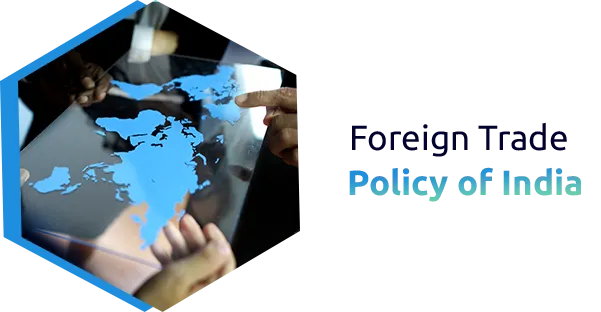
India’s Foreign Trade Policy is more than a guideline. It is like a strategic move that promotes economic growth & helps India expand its presence beyond the borders. Under the guidance of the Directorate General of Foreign Trade – DGFT, this policy makes trade rules clear of ambiguity and successful, enabling businesses located in India the help they require to fight on an international platform. The policy is critical in influencing India’s dynamic and rich trading environment across traditional sectors to the new and emerging industries.
How the Foreign Trade Policy Has Evolved
India has not remained stagnant in terms of trade policy. It is now drastically different since the structure has changed to going away with long-term planning and on to the more flexible and constantly updated Plan FTP 2025. The temporary 2023 policy provided the basis of real-time flexibility, which enables a business to adapt rapidly in the event of drastic changes. It is a part of India’s evolution that aims to encourage innovation and ease trade by avoiding complications that once dragged exporters and importers. A more inclusive trade ecosystem has been made open, emphasizing sustainability and business convenience.
Export Schemes and Support Under FTP
India’s trade policy offers practical support through schemes like the Advance Authorisation Scheme, which allows duty-free import of materials used solely for exports. The Export Promotion Capital Goods (EPCG) scheme helps businesses access cheaper capital goods to improve their production. Meanwhile, the Remission of Duties and Taxes on Exported Products (RoDTEP) replaces earlier incentives with a transparent, streamlined rebate system. Startups and MSMEs benefit from specialized support via simplified export registers and export record processes, encouraging them to scale up in international markets.
Trade Facilitation and Market Diversification
India’s trade policy also emphasizes market diversification and digital facilitation. Exporters can leverage Duty Drawback schemes to claim refunds on customs duties paid on imported raw materials used in export production. The government promotes sector-specific incentives, such as telecom, electronics export promotion schemes, to boost competitiveness in global markets. Furthermore, initiatives like Trade Facilitation Portals and single-window clearance systems simplify documentation, reduce clearance times, and enhance compliance efficiency. Together, these measures help Indian exporters, especially MSMEs and startups, improve profitability and establish a strong global presence.
Digital Transformation Making Trade Easier
India’s Foreign Trade Policy is now powered by end-to-end digitalisation, making compliance faster and reducing delays in cross-border movement. Automated systems such as e-verification, online licensing, and digital export registers have transformed how businesses handle customs clearance and importer of record responsibilities. This digitised workflow aligns smoothly with Incoterms 2025, especially for models like DDP shipping, where the seller manages duties, taxes, and documentation. These advancements also integrate with freight forwarding services, warehouse management services, and in-transit logistics, enabling companies to streamline operations with transparent freight quotes and real-time shipment visibility. Overall, this digital shift increases efficiency, reduces manual errors, and strengthens India’s competitiveness in global trade.
Empowering Regions: District Export Hubs and Excellence Towns
By focusing on district-level hubs and towns recognized for export excellence, India is decentralizing trade and making it accessible to more communities. These zones provide critical infrastructure and tailored incentives, helping smaller towns shine in global trade. They also make exporter of record services and export registers more accessible, supporting balanced growth across the nation rather than concentrating activity in a few urban centers.
How Modern Warehousing and In-Transit Logistics Strengthen India’s Export Growth
As global supply chains evolve, India’s exporters increasingly rely on advanced warehousing services and efficient in-transit logistics to maintain delivery reliability. Modern warehouse solutions—ranging from bonded warehouses to temperature-controlled storage—support smoother customs processes and faster dispatch cycles. These systems are especially valuable for sectors like automotive, telecom, and IT hardware, where precision and speed matter. With the rise of sustainable trade and AI-powered demand forecasting tools, businesses can optimise inventory, lower handling fees, and enhance compliance with trade regulations, including the Harmonized System Code. Integrating storage and warehousing services with freight forwarding service providers ensures end-to-end visibility and reduces risks across global routes, helping exporters stay competitive in international markets.
Expanding Global Footprint and Export Controls
The India-UK free trade pact is one of the active trade pacts India is pursuing to open barriers and markets. Simultaneously, regulatory mechanisms such as SCOMET secure sensitive exports, make India secure nationally, and remain corresponding with the rest of the international community. Inductions into the rupee’s internationalization and enhancement of export finance would work together to enhance the strong and stable trade environment.
The Difficulties and Future Directions
Although it has been improving rapidly, the obstacles are variable tariffs, changing trading regulations, and supply chains. The difficulties solved in India’s evolving FTP include clear tariff norms, exhaustive importer-exporter guidelines, and the tightening of exporter of record services that help reduce risks. The goal of reaching $2 trillion in exports by 2030 needs further innovation, infrastructure enhancement, and green trading processes.
What the Data Shows?
Government data reveals growing registrations in importer of record services and export register filings, reflecting increasing compliance and operational maturity. More exporters benefit from delivery duty paid (DDP) shipping models and the generalized system of preferences, reducing tariff burdens and fostering smoother international exchanges. This boosts confidence in India’s position as a global supplier.
Conclusion
The Indian Foreign Trade Policy is a power play in motion to enhance Indian global trade by blending technology, innovation and inclusiveness. When dealing with the changing demands of international trade, having the right expertise makes everything much easier. At One Union Solutions, we are ready to walk you through the changing trade environment as you succeed in your domestic and international ventures.
Did You Know,
India’s total merchandise and services exports reached a record US$860.09 billion in FY 2025–26, up from US$825.26 billion in FY 2024–25. This growth highlights the increasing importance of trade facilitation and policy reforms under India’s Foreign Trade Policy framework.
FAQs
1. When is an Importer of Record legally required?
An Importer of Record is required whenever goods cross international borders.
They ensure all customs and tax rules are followed.
2. How do Incoterms affect export responsibility?
Incoterms define who pays costs and manages risks.
They help prevent confusion during international shipments.
3. Why is HS code accuracy critical in trade?
Accurate HS code categorization is important because it identifies the applicable duties, taxes, & regulatory requirements for imported & exported goods. Using the correct HS code also helps businesses avoid customs delays, compliance issues, making smoother global trade operations.
4. How does digital compliance improve export operations?
Digital compliance helps businesses simplify documentation & regulatory procedures, reducing manual errors & speeding up export-related paperwork. Digital platforms also improve clarity, provide better control over trade processes, & enable faster communication with customs & other authorities, making global trade more efficient.
5. Why is trade diversification important for exporters?
Trade expansion helps exporters reduce their rely on a limited number of markets and customers. By enhancing into different regions, businesses can better manage changes in trade policies, tariffs, & market conditions while improving long-term growth opportunities & overall stability.