Insight
The trade relationship between Europe and the United States is close and highly complicated by geography, infrastructure, and various markets. The movement of goods to the two regions is done by ships, air, trains, and trucks. Europe has diverse climates & population dynamics that influence how it is manufactured, how much it is demanded, and how it should be supplied. This sets a competitive trading environment that necessitates the need for businesses to keep up. The slightest changes in tariffs, rules, and regulations can affect how firms make, transport, and market products.
In the following blog, we examine which of the most important equipment sectors in the EU are affected by the EU-US tariff changes: the aviation, automobile, data center, and medical device industries. We will also study the broader implications of supply chains, pricing, and European competitiveness. Finally, we come to some practical changes that businesses can adopt to overcome the changes and maintain trade on a fast track.
Trade Compliance Strategies for European Businesses
For European companies that export goods to different nations, trade compliance is important. Before exporting goods, companies must follow to export regulations, create the proper shipping documents, and complete all customs procedures. Avoiding delays, extra costs, & customs problems can be done by using the proper product codes and checking out trade regulations. Additionally, effective planning allows smooth cross-border shipments, which improves global logistics. Businesses may reduce risks, speed up delivery, & build strong ties with customers in foreign markets by using these techniques.
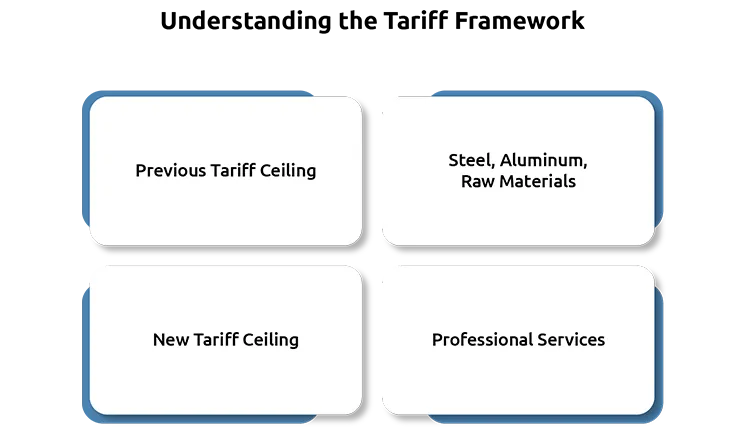
Understanding the Tariff Framework
Before this, tariffs could have risen to 30%, creating uncertainty for businesses. Now, with a 15% ceiling, exporters and importers get more predictability, but costs are still higher than before. It raises costs and worries about keeping supply chains steady. The trade volume between the EU and the US is immense, over €1.6 trillion annually, so these tariff changes have wide-reaching effects. Much of this trade involves highly engineered goods vital for aviation, cars, data centers, and healthcare.

Sectoral Impact on Equipment Trade
The recent changes to EU-US tariffs have an accentuated effect on a selection of principal equipment sectors. Automobiles exported in Europe will struggle with high tariffs, almost doubling the previous ones, increasing production costs, and exports. This price increase poses a risk to the competitiveness of the European car makers in the US market, which may lead to a review of their prices and supply strategy. Aviation equipment is also included, which incorporates aircraft components as well as aircraft maintenance equipment. There will be more adjustments in company plans to manage new tariff costs in budgeting and sourcing.
Meanwhile, the IT and data center industry, a key aspect of Europe’s rapidly developing digital structure, will face rising export costs, which may affect the pricing and reliability of supplies in America. Finally, the health sector needs medical devices that are also in short supply and require great management of the supply chain and trade logistics. Collectively, these tariff hikes are transforming the European industry’s attitude towards the US market, and a matter of urgency is an effort to adapt strategically.
Trade Compliance and Logistics
As tariffs are increasing, the important step is to refine import-export compliance. Roles such as importer of record (IOR) and exporter of record (EOR) are important in keeping delays and additional costs at bay. Correct declaration in terms of Unified Tariff Schedule HTS codes helps avoid customs delays. The delivery duty paid (DDP) shipping, customs brokerage, and drayage costs may increase. The knowledge of Incoterms and trading preferences can maximize supply chains and possibly cut down tariffs where appropriate.
Managing Shipping Costs Under New Tariff Rules
For companies involved in international trade, new tariff regulations may result in higher shipping costs. Businesses should carefully plan shipments, select the best method of shipment, and use the proper product classification in order to reduce costs. Before shipping, being aware of import tariffs helps save unexpected costs. The total landed cost, which includes freight, tariffs, taxes, & other charges, should also be calculated by businesses. Improved logistics planning and effective shipping techniques can manage freight costs, reduce total expenses, improve budgeting, and maintain smooth international trade operations.
Strategies to Manage Tariff Challenges
To handle rising costs, businesses need to rethink supply chains and trade practices. Services like value-added reselling, packaging, or product kitting can lower overall landed costs and better serve market needs. Exploring alternative transport, such as rail or sea freight, offers ways to cut delays & costs. Advanced logistics solutions combined with compliance systems like Exporter on record services smooth operations despite tariff uncertainties.
Conclusion
The new EU-US tariff system creates many problems with trading specialized equipment. It alters prices, shakes supply chains, and alters market forces. It is important that companies know and familiarize themselves with the rules of tariffs and compliance to continue to remain competitive. They should also deal with logistics effectively to avoid wasting time and unnecessary expenses at the crossing. It is necessary to adjust to these developments to facilitate trade and business flow.
One Union Solutions assists corporations in managing these situations with customized services. Our professionals guarantee complete adherence to the regulations of imports and exports and simplify transport and logistics. We facilitate the trade process by operating major functions such as managing the role of importers and exporters, and lowering trade risks. Our support assists businesses in maintaining trade in a smooth movement & progressing strongly despite the changing global trade environment.
FAQ’s
What is an importer of record, and why is it important?
An importer of record ensures imported goods meet customs rules and pays duties, crucial for trouble-free entry.
How do tariff changes affect logistics costs?
Higher tariffs increase landed costs, raising fees for customs clearance, shipping duties, and related services.
What role do HTS codes play in tariff application?
HTS codes classify products to apply correct tariffs and help customs process shipments efficiently.
What are the responsibilities of an exporter of record?
An exporter of record manages export compliance, files paperwork, & ensures tariffs are properly applied on shipment.
What can businesses do to address the effects of new tariffs?
Some strategies to consider are simplifying the supply chain, employing value-added reselling, exploiting alternative logistics options, and maintaining trade compliance.