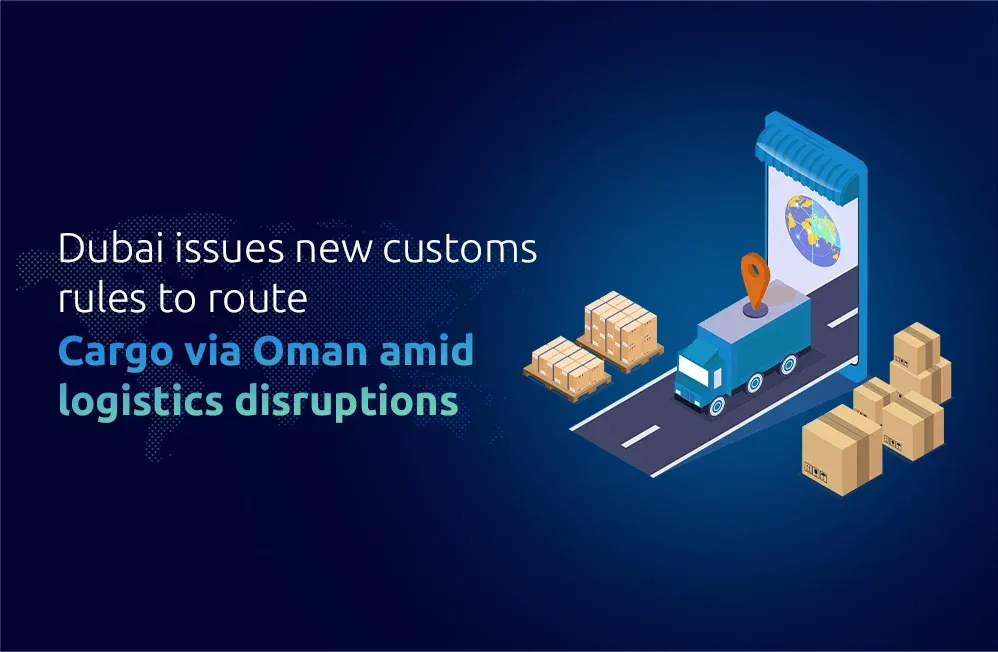
Global trade is facing many challenges today, added with shipping delays, route changes, & busy ports. To deal with these problems, Dubai has started new customs rules that allow cargo to be sent through Oman on a similar route. This step helps businesses move goods more easily & avoid long delays. It also supports smoother trade operations & ensures that supply chains continue to work without major problems.
Why Dubai Introduced New Customs Rules
The decision to apply new customs regulations & laws comes amid ongoing logistics challenges affecting global trade routes. Shipping delays, increased freight costs, & issues at main ports have forced authorities to rethink traditional cargo movement strategies.
Rising Global Logistics Disruptions
Latest challenges in the main transportation routes have slowed down cargo movement across regions. Delays in transit times & carrier rerouting have affected industries that depend on on-time delivery systems. As a main international logistics hub, Dubai has taken ready steps to minimize these challenges.
Need for Supply Chain Flexibility
Modern supply chains need speed. By allowing cargo to be rerouted through Oman, Dubai is enabling businesses to adapt quickly to changing conditions. This flexibility is useful for industries such as IT, automotive, healthcare, & aviation that mainly depend on continuous imports & exports.
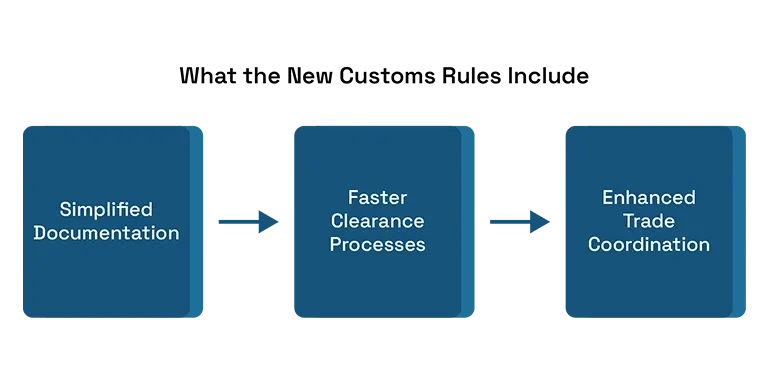
New Customs Rules Include
The newly introduced customs framework simplifies procedures for cargo that is redirected through Oman. It focuses on minimizing bottlenecks while ensuring compliance with global trade regulations.
Simplified Documentation
One of the key features is complete documentation. Businesses can now process shipments with fewer delays, as customs clearance procedures have been adjusted to allow alternative routing.
Faster Clearance Processes
The updated rules aim to accelerate cargo clearance times. By coordinating with Omani authorities, Dubai customs ensures that shipments moving through this alternative route are processed easily.
Enhanced Trade Coordination
The policy strengthens collaboration between the UAE & Oman logistics systems. This coordination improves tracking, transparency, & whole shipment reliability.
Why Oman Is a Strategic Alternative
Oman has emerged as a strong logistics partner due to its geographic location and modern port infrastructure. Its ports provide access to less congested shipping lanes, making it an ideal alternative for cargo routing.
Advanced Port Infrastructure
Ports like the Port of Salalah & Sohar Port are equipped with advanced management facilities. These ports can easily manage large volumes of cargo, minimizing turnaround time.
Reduced Congestion
Compared to heavily trafficked ports, Omani ports experience lower congestion levels. This allows for smoother cargo management & faster processing.
Strategic Location
Oman’s location outside the Strait of Hormuz provides easier access to international shipping routes, helping vessels avoid delays in crowded waterways.
Impact on Global Trade and Businesses
The introduction of these customs rules is expected to have a significant effect on global trade operations, especially for companies depending on the Middle East as a logistics hub.
Improved Supply Chain Efficiency
By providing an alternative route, businesses can avoid delays & manage easy delivery schedules. This is mainly important for time-sensitive shipments.
Cost Optimization
Rerouting is important with planning, it can help reduce costs related to delays, delay charge, & storage.
Business Continuity
Companies can continue their operations without main disruptions, ensuring customer satisfaction & managing a competitive advantage.

Industries That Will Benefit the Most
Mainly, industries stand to gain from this development, mainly those that depend on high-value or time-sensitive cargo.
IT and Data Center Industry
The import of servers, networking equipment, & cooling systems requires timely delivery. The new routing options help prevent delays in critical infrastructure deployment.
Medical Sector
Medical devices & important equipment often require strict timelines. Faster & more reliable logistics ensure non-problematic healthcare services.
Automotive & Aviation
Both industries depend on spare parts & components. Easy cargo routing helps avoid production downtime & operational delays.
Challenges and Considerations
While the new customs rules offer many advantages, businesses must also consider such challenges.
Regulatory Compliance
Companies must ensure they deal with both UAE & Omani customs regulations. Proper documentation & adherence to rules remain critical.
Coordination Complexity
Managing shipments across multiple jurisdictions may require better coordination with logistics partners & freight forwarders.
Initial Adjustment Period
Businesses may face a short adjustment phase as they adapt to new procedures & routing strategies.
The Future of Logistics in the Middle East
Dubai’s decision to reroute cargo through Oman highlights a broader trend in global logistics change of trade routes. As supply chains become more difficult, using a single route is no longer usable.
Growth of Regional Collaboration
The collaboration between Dubai & Oman reflects increasing regional cooperation aimed at strengthening trade networks.
Shift Toward Duration Supply Chains
Companies are now focusing on building supply chains that can withstand disruptions. Similar routing options play a major role in this transformation.
Digital & Smart Logistics
The future will mainly see greater use of digital tools for tracking, automation, & customs processing, further improving efficiency.
Conclusion
Dubai has taken a growing step by introducing new customs rules that allow cargo to move through Oman during ongoing logistics challenges. This helps reduce delays, keeps shipments moving easily, & supports businesses that depend on fast & easy trade. By using a similar route, companies can avoid the main problems & continue their operations without any interruptions. This move also shows how important it is for supply chains to stay flexible & ready to adapt to transforming international conditions.
Did you know?
Dubai has introduced a detailed customs framework to reroute cargo through Oman, formalising procedures for a temporary land-based corridor aimed at easing pressure on disrupted sea and air routes.
FAQ
1. Why has Dubai introduced new customs rules for routing cargo via Oman?
Dubai introduced these rules to reduce delays caused by logistics disruptions, busy ports, and changing shipping routes. Routing cargo through Oman helps keep goods moving smoothly.
2. How does routing cargo via Oman help businesses?
It helps businesses avoid delays, reduce extra costs, and ensure faster delivery of goods. This is especially useful for time-sensitive shipments.
3. What types of cargo can be routed through Oman?
Most types of commercial cargo, including electronics, automotive parts, medical equipment, and industrial goods, can be routed through Oman under the new rules.
4. Will these new customs rules increase shipping costs?
In some cases, costs may slightly change due to route adjustments. However, businesses can save money by avoiding delay charges and long waiting times at congested ports.
5. What should businesses do to follow these new customs rules?
Businesses should work with logistics providers, ensure proper documentation, and stay updated with both UAE and Oman customs regulations for smooth cargo movement.