Overview
In the world we live in today, logistics companies have to be ready for anything. They have to change and adapt all the time. This is because of all the things that are happening around the world, like the way countries trade with each new technology coming out and things that are happening in politics. Logistics companies need to be able to change fast. They are not just trying to save money, logistics companies are trying to be fast and reliable. Logistics companies really need to be flexible. Logistics companies need to be able to do things and logistics companies need to be someone that people can count on.
For companies that do import and export work in areas like IT, aviation, medical and automotive, being flexible is really important. It is not something that helps them do better than others, it is something they need to have. With getting things from one place to another are the ones that do well in the logistics business. Import and export companies need to be able to do this to be successful.
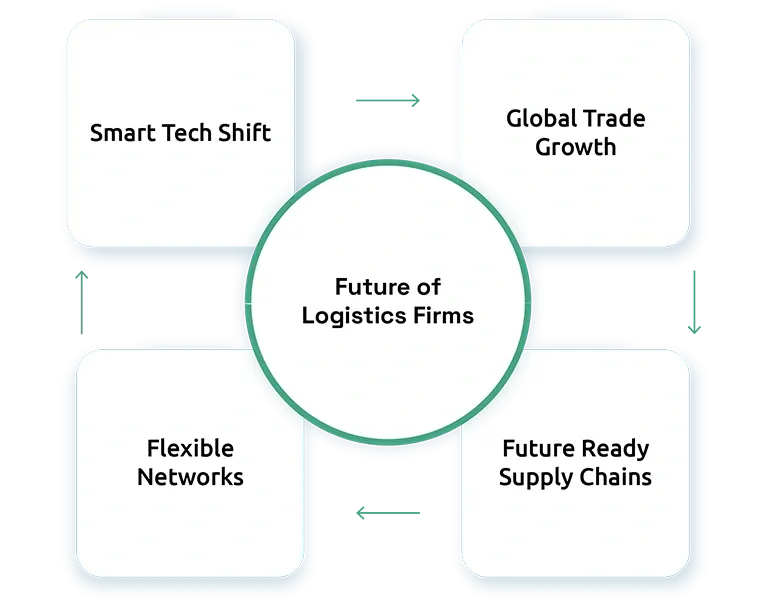
Future of Logistics Firms
The future of logistics firms is being shaped by innovation, digital transformation, and a customer-centric approach. Companies are increasingly investing in smart technologies such as artificial intelligence, real-time tracking systems, and predictive analytics to enhance operational efficiency.
Automation is really changing the way we do things. We use automation in warehouses to manage things and even to find the routes for delivery. This helps us make decisions faster and get things right. For some industries like aviation and medical equipment this is very important because they need things to be, on time and done right. Automation is helping these industries get better at what they do.
Sustainability is something that a lot of companies are paying attention to. Logistics companies are trying to be more eco-friendly by finding the routes for their trucks, cutting down on bad things they put in the air and using warehouses that do not waste energy. Sustainability is a deal and companies that focus on sustainability will be in a good place.
The rise of e-commerce and global trade expansion has really changed things. Now people want logistics networks that can change easily. Companies need to be ready to make their operations bigger or smaller depending on what’s happening in the market. This means that logistics networks need to be flexible. Adaptability is a part of what companies will need to do in the future with their logistics networks. They have to be able to change their logistics networks to stay competitive.
Major Aspect of Logistics Firms
The thing that really matters for logistics firms is that they can make all the parts of the supply chain work together. This means that transportation and warehousing and distribution and compliance management all have to work without any problems. Modern logistics firms need to be good at making all these things work together so that everything runs smoothly.
Another key aspect is the adoption of digital tools to improve visibility and control. Real-time tracking and data analytics allow businesses to monitor shipments, identify potential delays, and take proactive measures. This level of transparency is crucial for maintaining customer trust and ensuring smooth operations.
Collaboration is also becoming increasingly important. Logistics firms are forming strategic partnerships with suppliers, carriers, and technology providers to create more resilient networks. These partnerships help in sharing resources, reducing costs, and improving service quality.
So risk management is really important. There are a lot of things that can go wrong like trade restrictions and natural disasters and political instability. Logistics firms have to be ready for these things. They need to make plans so that things do not get messed up. This means finding different places to get the things they need and building distribution networks that can change easily. Logistics firms have to do this so that logistics firms can keep running. Logistics firms need to think about risk management all the time.

Key Factors of Flexible Logistics
Flexibility in logistics is driven by key things that help companies adjust to changes. One of the things is scalability. Logistics companies need to change how they work based on demand. For example they might need to handle work during busy times or less work when things are slower.
Scalability in logistics means being able to do more or less of things like transportation, storage and delivery. Logistics firms need to be able to adjust to changes, in demand. They must be able to handle work during peak seasons. This helps logistics companies to be more flexible. Flexibility helps them to adapt to changing conditions effectively.
Another critical factor is technology integration. Advanced systems such as cloud-based platforms and automated workflows help streamline operations and improve efficiency. These tools also support better decision-making by providing real-time insights into supply chain performance.
Infrastructure also plays a vital role. Well-connected transportation networks, modern warehouses, and efficient distribution centers enable faster movement of goods and reduce delays. For industries like automotive and IT, where precision and speed are crucial, robust infrastructure is a key enabler of flexibility.
Lastly, customer-centric strategies are driving flexibility. Logistics firms are focusing on personalized services, faster delivery times, and improved communication to meet evolving customer expectations. By aligning their operations with customer needs, businesses can enhance satisfaction and build long-term relationships.
Conclusion
As global trade keeps changing, logistics companies need to be flexible to stay strong. They must get used to changes in the market- use technologies, and make good relationships with other businesses. This will shape the future of logistics. Logistics firms must adapt to changing market dynamics; they have to leverage technologies and build strong partnerships to stay competitive and resilient, in the global trade.
For businesses that import and export and work with industries like aviation and automobile help logistics solutions that can change and adapt easily. This is really important because it helps them deal with problems and make sure everything runs smoothly. Logistics solutions are very important, for import-export businesses, the ones that work with computers, airplanes, medical care and automobiles.
After that being flexible will be really important, for companies that do logistics to be successful. Logistics companies need to be able to adapt to all these changes so they can do well. Flexibility is key for logistics companies to thrive in this world.
DID YOU KNOW
“Many U.S. companies have been moving production out of China for years, DAT’s Caplice said, but tariffs on Mexico could loom as a larger issue given the recent nearshoring trend that has been boosting manufacturing in that country and driving cross-border freight demand.”
FAQs
Why is flexibility important for logistics firms?
It helps firms quickly adapt to market changes, demand fluctuations, and supply chain disruptions.
How can logistics firms improve flexibility?
By adopting advanced technology, scalable operations, and strong partner networks.
What role does technology play in flexible logistics?
It enables real-time tracking, automation, and better decision-making for efficient operations.
Which industries benefit most from flexible logistics?
Industries like IT, aviation, medical, and automotive benefit due to their need for speed and precision.
How does flexibility impact customer satisfaction?
It ensures faster deliveries, reliable services, and better responsiveness to customer needs.