Understanding the Difference Between DDP Shipping and IOR Services
International trade has become increasingly complex as businesses expand into new markets and navigate evolving regulations, customs requirements, and cross-border compliance obligations. Companies involved in importing and exporting IT equipment, medical devices, aviation components, and automotive parts must manage not only transportation but also documentation, duties, taxes, and country-specific import regulations. As global supply chains become more interconnected, organizations are seeking solutions that simplify international shipments while reducing operational risks and delivery delays.
When we talk about trade people often get confused about DDP shipping and Importer of Record services. These two things are often mentioned together. They are actually about different parts of getting something from one country to another. DDP shipping is when the person selling something is in charge of getting it to the buyer and they also have to pay for the transportation and any fees. Importer of Record services are about making sure that everything is done legally. The goods can be brought into a country without any problems. Companies need to know the difference between DDP shipping and Importer of Record services. This is because they want to avoid getting in trouble for not following the rules and they want to make sure that their shipments get through customs quickly and easily.
DDP Shipping: Simplifying Delivery Responsibilities Across Borders
Delivered Duty Paid (DDP) is a shipping arrangement in which the seller takes responsibility for transporting goods to the buyer’s specified destination, covering freight charges, duties, taxes, and delivery-related costs throughout the journey. This approach is particularly beneficial for businesses seeking a streamlined purchasing experience, as the buyer receives the shipment with minimal involvement in transportation management. DDP is commonly used in straightforward trade lanes where import procedures are predictable and well-established. However, while DDP places delivery responsibility on the seller, it does not automatically address import eligibility requirements in every country.
Certain places need a person to approve imports or have rules to follow before goods can be brought in. This means companies sending IT equipment, medical devices, aviation and automobile industry need to understand that getting goods delivered and following import rules are not the thing. Companies must check the rules for transporting goods and the rules for importing goods in the country they are going to.
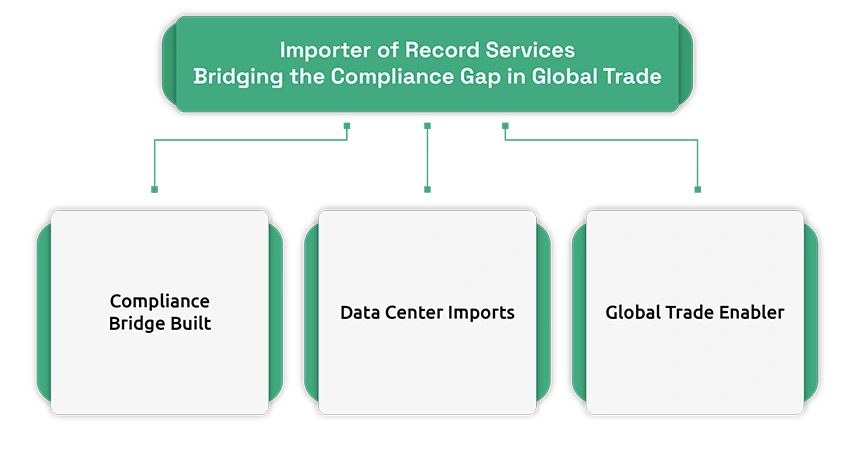
Importer of Record Services: Bridging the Compliance Gap in Global Trade
When you use DDP shipping it makes the delivery process easier because the seller is in charge of transportation and duty. However it does not take care of the things that the destination country requires. That is where you need an Importer of Record Service. The Importer of Record Service takes care of the side of things when you import goods. They make sure you follow all the rules get the permissions and register your products. They also deal with customs. This is really important for things like IT, medical, automotive and aviation. In these areas you often need papers or approvals before you can sell your products in a new market. DDP shipping and Importer of Record Service are two things but they both help with importing goods.
When you are bringing in servers for a data center deployment, medical devices for healthcare facilities, automotive components for manufacturing operations, or aviation parts for aircraft an Importer of Record is really important. This Importer of Record helps companies figure out the rules for importing things and avoid spending much money because of delays. Only an Importer of Record Service can make sure the goods are allowed to enter the country and get to where they need to go without any problems with the rules.
Common Trade Compliance Mistakes That Lead to Costly Delays
Many companies try to use DDP shipping in countries where it is not allowed. This causes problems. The goods can get held up at customs. There can be delays that no one expected. People often make mistakes when they do not get the licenses, certificates or register their products. This is especially true for things like IT equipment, medical devices, aviation parts, and automotive components. When this happens it can hold up projects cost more to store things and cause problems, with getting goods from one place to another. Companies that do not think regulations are a big deal often have trouble when their goods are being cleared through customs. This shows how important it is to know what DDP shipping and Importer of Record services do before you move goods across borders from one country to another.

Conclusion
Than viewing DDP shipping and Importer of Record services as competing solutions businesses should consider them as tools that work well together for international trade. DDP shipping handles transportation, duties and delivery while Importer of Record makes sure goods are imported correctly and follow the rules of the destination country. This is especially helpful for companies, in IT, aviation, medical and automotive sectors as it helps with issues reduces delays and makes cross-border operations smoother. When global trade gets more complicated using the mix of delivery management, trade compliance and customs clearance can make operations more efficient.
DID YOU KNOW
“If the parties wish to exclude from the seller’s obligations some of the costs payable upon importation of the goods (such as value added tax(VAT)), this should be made clear by adding words to this effect: “Delivered duty paid, VAT unpaid … (named place of destination)”.”
FAQs
What is the main difference between DDP shipping and IOR services?
The main difference between DDP shipping and IOR services is that DDP shipping is about getting the goods to the buyers location. This includes taking care of the transportation, duties and taxes for the DDP shipping.
Can DDP shipping be used without an Importer of Record?
In some countries the answer is yes.. In other places with very strict rules about importing things you may still need an Importer of Record even if you use DDP shipping.
When should a business use Importer of Record services?
A business should use Importer of Record services when it does not have a presence in the country where it is sending things when it is sending products that are regulated or when it needs help dealing with the complicated rules about importing things.
Which industries benefit most from combining DDP and IOR services?
Some industries like Information Technology and aviation and medical equipment and telecommunications and automotive manufacturing really benefit from using DDP and IOR services. This is especially true when they are moving high value products or regulated products to countries.
How do DDP and IOR services help reduce shipment delays?
DDP services make transportation and delivery management a lot easier. IOR services make sure that everything is done according to the rules and that all the necessary import documents are in order. When you use DDP and IOR services together you can avoid a lot of problems, with customs