
Economic Nationalism Reshaping Global Trade Governance
The way countries do business with each other is changing a lot. Countries want to help their businesses and keep important resources safe. This is called nationalism. Because of this governments are changing the rules for companies that buy and sell things from countries. They are also changing the rules for companies that invest in countries and for companies that get things from other countries. The global trading environment is getting more complicated, for businesses that import and export things. Trade policies and rules can change quickly. The global trading environment and market access conditions are also changing.
The IT industry, aviation, medical technology and automotive manufacturing are really feeling the effects. These areas of business rely a lot on getting things from countries using special parts and moving goods around easily. Things are changing fast. Now companies need to pay close attention to trade rules. They have to be good at managing problems keeping an eye on their supply chains and dealing with regulations. Companies that take care of these problems now will be, in a spot to stay strong and competitive when it comes to the global market of the automotive manufacturing and IT industry.
How Economic Nationalism is Reshaping Global Trade Networks
Economic nationalism is playing a role in how countries trade with each other. Governments are now focusing on their industries, important manufacturing and their countrys economic interests. They are using policies like rules for content controlling exports checking investments and giving targeted help to industries. These policies are making businesses rethink how they get materials and make products. Companies that trade with countries must deal with more rules and challenges to access markets.
For industries like IT, aviation, medical technology and automotive manufacturing changes can affect how they work with suppliers plan production and operate across borders. To stay ahead businesses need to find a balance between following rules being flexible and having a supply chain while adjusting to changes in global trade.
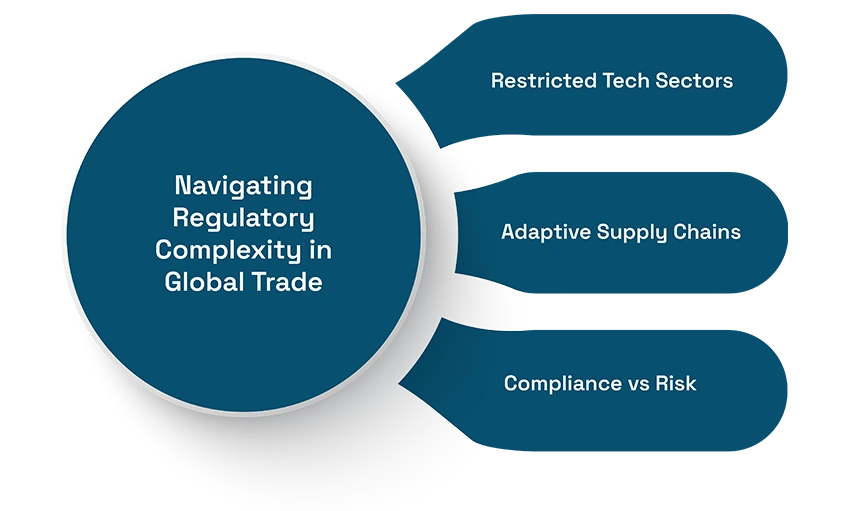
Navigating Regulatory Complexity in Global Trade
International businesses today face a growing number of trade governance challenges as governments implement policies aimed at protecting domestic industries and strategic sectors. Regulatory fragmentation means companies must comply with different standards, documentation requirements, and market-entry rules across multiple countries. Export restrictions on advanced technologies, aviation components, medical devices, and critical automotive parts further complicate cross-border operations by requiring additional approvals and compliance checks. At the same time, tariff uncertainty can significantly impact sourcing decisions, production costs, and long-term business planning as trade policies evolve in response to geopolitical and economic developments.
Many countries are making rules that help companies. These rules say that businesses should make things in their country store data there or buy things from other local companies. To stay in the game companies that do business around the world need to follow these rules well. They have to keep track of what’s happening in their supply chain and they have to be able to change how they get things quickly if the rules change.
Strategic Industries Under Growing Trade Pressure
The IT, aviation, medical and automotive industries are hit hard by nationalism. This is because they rely a lot on supply chains buying parts from different countries and getting special components from many places. These things can be controlled or restricted by export rules. For example some countries may limit the export of technologies and plus aviation manufacturers have to move plane parts across borders and also these parts are highly regulated so its complicated. Medical device companies have rules to follow and need to make sure all the devices arrives on time. Automotive industries rely on the supplier from all over the world, they need raw materials and some products such as batteries, electronics components and some precise ones. As governments make trade policies businesses, in these areas must adjust their plans. They have to change how they get their supplies follow rules and manage their supply chains.
Strengthening Global Trade Through Visibility and Compliance
We live in a time when countries are being very protective of their economies and trade rules are changing a lot. So for companies to do business across borders without many problems they need to be really good at following all the rules and have a clear view of their entire supply chain. Companies that trade with countries need to know what is going on with their suppliers, where their shipments are, what rules they have to follow and how much stock they have at all times. This way they can react fast when something goes wrong. Using computer systems automating paperwork and being proactive about managing risks helps companies keep everything running smoothly while still doing what they are supposed to do in terms of trade rules. When companies combine following trade rules with making their supply chains better they can reduce problems work efficiently and build global operations that can adapt easily to changes, in trade policies and the market.
Conclusion
Economic nationalism is affecting how countries do business with each other. This means companies have to deal with a lot of rules and regulations when they trade with countries. There are also restrictions on what can be traded and companies have to follow these rules. For companies that make things like computers, airplanes, medical equipment and cars it is not about getting their products from one place to another quickly. These companies need to be very careful about following all the rules and making sure they are doing things the way.
Companies that invest in things like knowing what rules they have to follow, getting stuff from lots of places making their supply chain work better and managing their inventory and orders will be better at dealing with unexpected things and keeping their operations running smoothly. If businesses can adjust to changes in trade and make sure they are doing things right when it comes to working with countries they can reduce problems work better and make it possible for their business to grow in a way that will last which is good for the global marketplace and for these companies themselves, like these companies.
DID YOU KNOW
“Economic nationalism has triggered a fundamental shift in international trade, moving global policy from multilateralism to localized industrial policies, sweeping tariffs, and supply chain reshoring ”
FAQs
1. What is economic nationalism in international trade?
Economic nationalism gets the government gets involved to help its businesses and this is done through protectionism, which helps the country be more self-sufficient. The goal is to shield businesses and jobs from competition, with foreign companies.
2. How do trade wars affect global businesses?
Trade wars cause problems for businesses around the world, resulting in a rise in tariffs that impact raw materials and, in turn, affect the profits businesses tend to make.
3. Why are developing countries most impacted by rising protectionism?
Developing countries get hurt a lot by protectionism. Protectionism makes it harder for them to sell their goods in foreign markets. They rely on selling things to countries to grow their economies. This makes it tough for developing countries to compete.
4. Are there any potential benefits to economic nationalism?
Some people think economic nationalism helps countries during times like when theres a big problem with getting goods from other countries, such as what happened during the pandemic.
5. How does economic nationalism affect international trade operations?
Economic nationalism can change how countries trade with each other by adding taxes, on imported goods controlling what can be exported making companies buy things locally and creating more rules.