International trade mainly depends on correct documentation, transparency, & trust between many clients. From exporters & importers to customs authorities & logistics providers, every step involves paperwork that must be verified & shared. Traditional systems often depend on manual processes, which can lead to delays, errors, & fraud. Blockchain technology is growing as a powerful solution to manage & simplify international trade documentation.
What is Blockchain Technology?
Blockchain technology is a digital system designed to record, save, & share data in a secure, transparent, & refined way. Unlike traditional databases that are controlled by a single authority, blockchain operates on a distributed network of computers. Each participant in the network has access to the same data, which is continuously updated & verified.
A blockchain is a digital ledger that records transactions in a structured format. These transactions are grouped into blocks, & each block is linked to the previous one using cryptographic techniques. This creates a continuous “chain” of data, hence the name blockchain. Once a block is added to the chain, it becomes extremely difficult to alter or delete, ensuring data integrity & trust among participants.
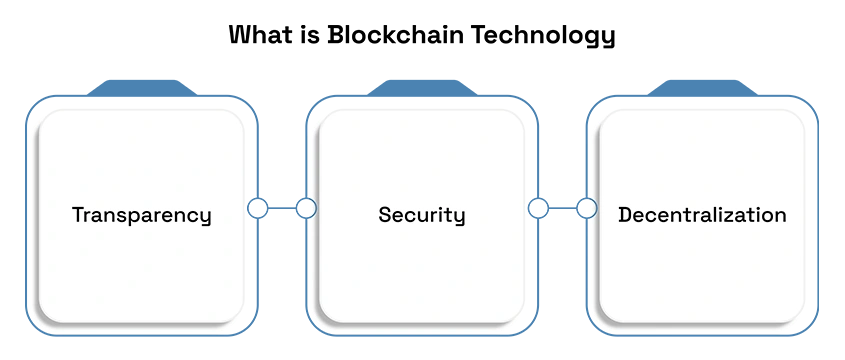
Key Features of Blockchain
- Transparency: All participants can access real-time data
- Security: Data is encrypted and tamper-proof
- Decentralization: No single authority controls the system
- Traceability: Every transaction can be tracked from start to finish
How Blockchain is Changing Import-Export Documentation
Security & Integrity of Documents
In any import-export company, false documents are the most important point. Blockchain makes all documents, including invoices, bills of lading, & customs declarations, secure & tamper-free. Each transaction is added to the blockchain in an encoded manner, & it cannot be modified after it has been added to the blockchain. It guarantees that the documentation you depend on regarding your business is legal & safe. Using blockchain, you do not have to fear that someone will falsify documents or alter any information, as is the case with other systems.
Smart Contracts Automation
The possibility of using smart contracts is one of the most thrilling functions of blockchain. They are self-enforcing contracts in which conditions are coded into contracts & automatically started upon the satisfaction of many set conditions. Suppose that a shipping container is delivered to its destination point. When the money is received, or payment of customs duty is made, the smart contract Springboard goes to the next stage by presenting a bill of lading or paying the supplier. Such a level of automation minimizes the chances of manual interference that, in addition to making transactions quicker, also removes the chances of human error.
Enhance Transparency
An important feature of blockchain technology is its transparency. In contrast to traditional systems, where the flow of paperwork changes hands many times, blockchain provides one immutable ledger where all involved parties have access to it. Any exporter, importer, customs agent, or bank can curtail the course of a transaction so that no one can falsify the records. The above transparency will reduce the risks of fraud & any probability of errors or arguments; the whole process will be easier & more reliable.
Challenges in Traditional Trade Documentation
Manual & Paper-Based Processes
Many trade documents, such as bills of lading & invoices, are still paper-based. This slows down operations & increases the risk of human error.
Lack of Transparency
Different stakeholders often manage separate records, making it difficult to track shipments & verify information.
Risk of Fraud
Document forgery, duplication, & data manipulation are the main risks in global trade.
Delays in Verification
Verification of documents by customs & other authorities can take time, leading to shipment delays & increased costs.
The Future of Blockchain in Import-Export
The use of blockchain in import-export documentation will increase. As the technology is increasingly extensive & more platforms are created, it can be expected that we will witness a more globalized, unified blockchain ecosystem used to record trade documents. It may imply that businesses are not obliged to use various &, more likely incompatible systems to exchange information. Cross-border trade can be made smoother, faster, & more secure with a single blockchain. The blockchain could also have an impact on sustainability due to its transparency. The ability to manage the passage of commodities in a clear, irreversible registry allows companies to be certain that their supply is ethical and environmentally friendly. It can be a big plus to companies struggling to deal with the consumer demand of conducting more sustainable business.
Conclusion
Blockchain is not just developing trade documentation, it’s reshaping it. By making processes faster, safer, & transparent, blockchain minimizes fraud, improves workflows, & removes unnecessary intermediaries, transforming the way goods are exchanged across borders.
Blockchain technology is changing how import & export documents are managed. It makes global trade more transparent, faster, & secure by using smart contracts to automate transactions. As companies & governments start adopting blockchain, global trade is becoming quicker, cheaper, & easier.
Did you know?
US$20 trillion of global trade flows each year, 90% of which is carried by the ocean shipping industry. “IBM and Maersk intend to work with a network of shippers, freight forwarders, ocean carriers, ports, and customs authorities to build the new global trade digitisation solution.
FAQ
-
What is blockchain in international trade documentation?
Blockchain in international trade documentation refers to the use of a decentralized digital ledger to record, store, and share trade-related documents such as invoices, bills of lading, and customs records. It ensures that all parties have access to accurate, real-time, and tamper-proof information.
-
How does blockchain improve transparency in global trade?
Blockchain creates a shared system where all stakeholders can view the same verified data. This eliminates discrepancies, reduces miscommunication, and allows real-time tracking of transactions and shipments across the supply chain.
-
Can blockchain reduce fraud in trade documentation?
Yes, blockchain significantly reduces fraud by using encryption and immutable records. Once a document is recorded on the blockchain, it cannot be altered or duplicated, making it highly secure and reliable.
-
What types of documents can be managed using blockchain?
Blockchain can manage various trade documents, including bills of lading, commercial invoices, certificates of origin, customs declarations, and shipping records, all in a digital and secure format.
-
What are the challenges of using blockchain in international trade?
Some challenges include high implementation costs, lack of global standardization, regulatory uncertainty, and the need for technical expertise. However, as adoption grows, these barriers are gradually being addressed.