Introduction
The way products transport across international borders is changing. Previously, customs authorities depended on trade documents, certificates, & customs compliance to verify imported goods. Today, growing green initiatives rules & supply chain transparency requirements are driving a new digital approach.
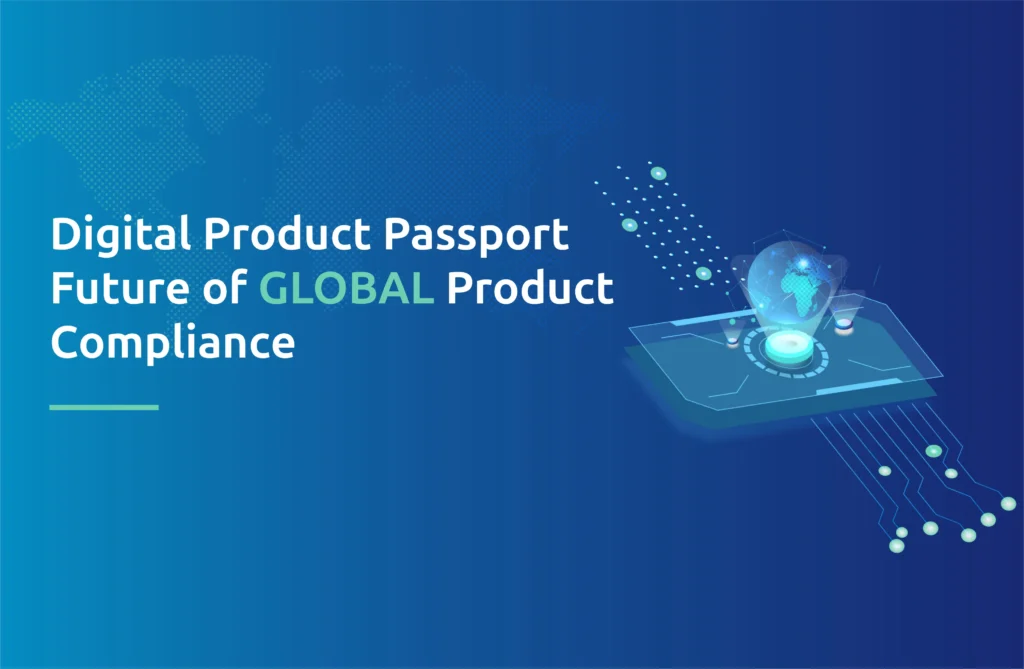
The Digital Product Passport (DPP) is becoming one of the most important regulatory developments impacting global trade. Introduced under the European Union’s Ecodesign for Sustainable Products rules (ESPR), the DPP will create a harmonized digital record containing important information about a product throughout its lifecycle.
For businesses involved in production , importing/exporting, warehousing, & logistics, the DPP will become more than a compliance requirement—it will become a critical tool for market access, transparency, and supply chain efficiency.
Is Your Product Ready for the EU’s Digital Compliance Era?
As global trade becomes over time data-driven, businesses can no longer rely solely on traditional documentation to demonstrate compliance. The European Union’s Digital Product Passport program is setting new requirements for product transparency, product tracking ,& sustainability reporting. Companies that export coustomer goods to the EU may soon need to provide detailed digital product information across the supply chain. Understanding these requirements today can help businesses reduce future compliance risks & maintain smooth access to European markets.
What Is a Digital Product Passport (DPP)?
A Digital Product Passport DPP is a digital record connected to a specific product through technologies such as QR codes, RFID tags, NFC chips, or unique serial numbers. It provides detailed information about a product across its product timeline, such as its origin, material details, carbon footprint, environmental certification, maintenance guidelines,& compliance records. By making this information easily accessible to producers, customs regulators, logistics providers & end users, the DPP creates a clear & recorded product ecosystem that supports both regulatory compliance & sustainability objectives.
Why Is the EU Introducing DPP?
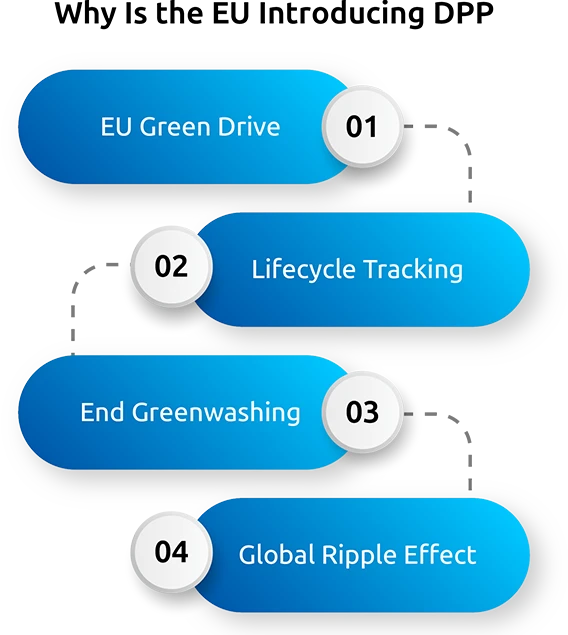
The European Union is implementing the Digital Product Passport as part of its overall effort to develop a resource-efficient economy & improve product sustainability across member states. As consumers & regulators demand greater clarity related to how products are produced, used, & recovered, businesses are expected to provide more detailed information about their products. The DPP helps address these issues by creating a structured digital system that supports product tracking, responsible sourcing, recycling initiatives, & accurate sustainability reporting. It also enables authorities to verify environmental statements more effectively, reducing the risk of inaccurate sustainability statements.
Why DPP Is Becoming the New Border Pass for Consumer Goods
Global trade is becoming increasingly reliant on transparent product information. In the past, customs authorities primarily relied on physical documentation & customs declarations to assess imported goods. With the introduction of the Digital Product Passport, regulators can access a unified source of product data that includes information about origin, materials, environmental footprint, & compliance status. As a result, the DPP is increasingly serving as a digital gateway for products entering regulated markets. Businesses that maintain accurate digital product records will be better positioned to meet compliance requirements & reduce possible delays during customs checks.
Industries Expected to Be Most Affected
Several industries are expected to experience important changes as Digital Product Passport requirements extend. The electronics sector will need to provide detailed information about components, maintainability, & recycling processes, while medical device production will be expected to maintain detailed product visibility records throughout the supply chain. Automotive companies will need to document sourcing information, impact metrics, & battery-lifecycle data, & aviation manufacturers may be required to provide improved visibility into component histories, maintenance records, & environmental performance. These requirements will increase transparency across complex global supply chains while supporting regulatory oversight.
Benefits of DPP for Global Trade
The Digital Product Passport offers benefits that extend beyond regulatory compliance. By creating a single, accessible source of product identity information, businesses can improve supply chain visibility & enhance coordination among manufacturers, delivery partners, logistics providers, & regulatory authorities. Enhanced traceability & risk management, & support sustainability reporting strategies. The DPP can also help customs authorities verify product information more effectively, possibly reducing working complexity & improving the movement of goods across international borders. For consumers, greater clarity can increase confidence in product quality & environmental rules.
Challenges Businesses Should Prepare For
Although the Digital Product Passport presents numerous opportunities, its execution may require significant operational adjustments. Organizations will need to collect and maintain accurate data from suppliers, manufacturers, & logistics partners across multiple regions. Connecting DPP requirements with existing enterprise systems can be complex, particularly for businesses with extensive global supply chains. Companies must also remain informed about evolving regulatory requirements and ensure that product information remains accurate and accessible throughout the product lifecycle. Early preparation and strong collaboration among supply chain stakeholders will be critical for successful implementation.
The Role of Logistics Partners in DPP Compliance
Logistics providers will play a progressively important role in supporting Digital Product Passport compliance. As products move through global supply chains, logistics partners help maintain supply chain visibility, manage documentation, & enable the secure transfer of information between stakeholders. Their ability to provide shipment visibility and support customs compliance processes can contribute to the accuracy & stability of DPP records. For businesses operating across multiple markets, working with experienced logistics partners can simplify compliance efforts while improving supply chain transparency & working efficiency.

Conclusion
The Digital Product Passport is transforming how products are tracked, verified, & traded across global markets. As transparency & adherence requirements continue to develop, businesses must be ready to manage accurate product data & maintain end-to-end supply chain visibility. With expertise in global logistics, customs compliance & supply chain management, helps businesses navigate changing trade requirements, improve operational effectiveness & support seamless cross-border movement of goods in an increasingly regulated marketplace. One Union Solutions remains committed to supporting businesses in building transparent, compliant, and future-ready international trade operations.
Did You Know?
The European Union generates around 2.2 billion tonnes of waste every year, and studies indicate that more than 80% of a product’s environmental impact is determined at the design stage. To address this, the EU is introducing the Digital Product Passport (DPP) under the Ecodesign for Sustainable Products Regulation (ESPR), which will make product-level data accessible across supply chains to improve sustainability, repairability, and recycling outcomes.
FAQ
Will the Digital Product Passport be mandatory for all products entering the EU?
No. DPP requirements will be introduced gradually, beginning with specific product categories identified under the Ecodesign for Sustainable Products Regulation (ESPR). Additional sectors will be added over time.
How does a Digital Product Passport differ from a product label?
A traditional label provides limited information, while a DPP offers detailed digital data, including the product’s origin, materials, environmental impact performance, serviceability, compliance status, & lifecycle history.
Can customs authorities use DPP information during import inspections?
Yes. DPP is designed to provide regulators and customs officials with faster access to product compliance and traceability information, potentially streamlining verification processes.
What data should manufacturers start gathering now for DPP capability?
Businesses should begin collecting information on material structure, supplier details, environmental impact indicators, maintenance data, certifications,& product lifecycle records.
How can logistics providers support Digital Product Passport compliance?
Logistics partners can help maintain supply chain visibility records, support customs documentation, improve shipment visibility, & make sure accurate product information is available across the supply chain.