Overview
The aviation industry going towards the new age which is more of inspired by next-generation aircraft engines that ensure greater fuel efficiency, reduced emissions, and improved performance. As businesses and manufacturers are moving toward sustainability and cost optimization, these advanced engines are becoming central to the future of air travel. However, behind every high-performance engine lies a complex global supply chain that binds multiple industries, technologies, and regulatory frameworks.
For all the business that are working in import-export businesses—especially who plays a major impact on IT, aviation, medical equipment, and automotive sectors—understanding this ecosystem is critical. The production and distribution of aircraft engines involve high-value components, strict compliance standards, and precise coordination across borders.
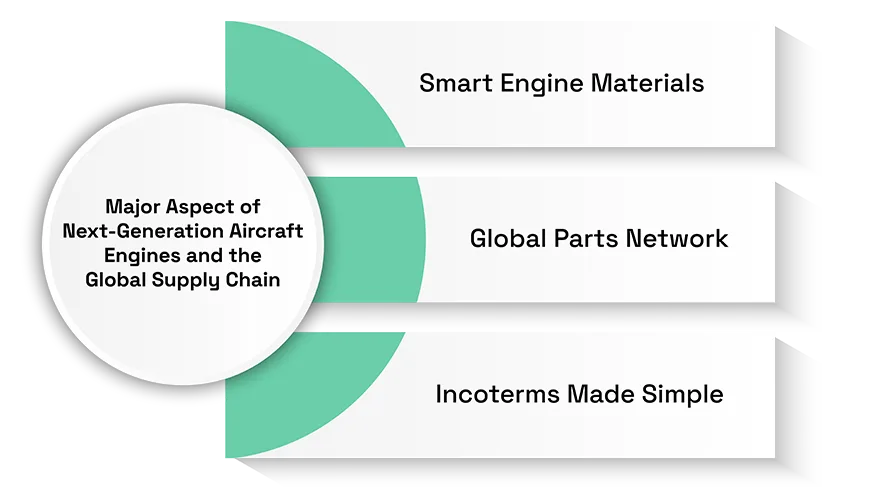
Major Aspect of Next-Generation Aircraft Engines and the Global Supply Chain
Another important segment of next-generation aircraft engines is the integration of advanced materials and digital technologies. Main parts including turbine blades, sensors, and control systems are often manufactured in different countries and assembled in specialized facilities. Because of this, manufacturers and service providers place a high premium on supply chain optimization.
International freight services plays an crucial role in timely and secure movement of these components. Given the high value and sensitivity of aviation parts, transportation should be taken care by precision and compliance. That’s where services like importer of record service and exporter of record services come into play, helping businesses to manage regulatory requirements and documentation efficiently.
Plus the use of standardized systems like HS code and HTS harmonized tariff schedule to classify components accurately. These systems make sure smooth customs clearance and minimize delays in cross-border shipments. In addition to this, Incoterms such as DAP help define responsibilities between buyers and sellers, reducing ambiguity in international transactions.
Supply chain which again plays an important role becomes more interconnected, businesses are also focusing on inventory and order management to maintain continuity. There then arises many questions like “can a freight forwarder be an exporter of record” and “can a customs broker handle both import and export documentation” highlight the importance of growing need for integrated logistics and compliance solutions.
What Has Changed in 2026 and Why It Is Relevant to Global Logistics
In 2026, the supply chain and production of aviation engines have undergone many changes. One of the most notable changes is the increased emphasis on sustainability. Sourcing choices and supplier networks are impacted by engine manufacturers’ investments in carbon-reduction technologies.
Digital transformation is another key factor. Businesses are adopting the best trade compliance software for import export rules to manage all these regulations and to make sure accuracy in documentation. Automation in customs clearance processes has significantly improved efficiency, reducing the risk of delays and penalties.
Trade policies and agreements have also made growth, influencing how components are sourced and transported. Cost structures and sourcing strategies are still impacted by initiatives like the generalized system of preferences (GSP).
As a result, businesses are re-evaluating their supply chains to remain competitive and compliant.
For industries such as medical equipment and automotive, which often share supply chain networks with aviation, these changes are highly relevant. Innovation and efficiency are being driven across sectors by the integration of cutting-edge technologies and more stringent compliance standards.

How Aircraft Engine Components Move Across Borders
Aircraft Engine Parts – A World Tour Aircraft engine parts often take a trip across different countries to get to their final repair destination. The process typically starts with supplier verification and product details , then export documentation or any necessary aviation approvals. The part is then packaged to its handling requirements & shipped via air or specialized freight services. Upon arrival, customs documentation, importer details, duties or product based conditions are checked before the goods can be released. Once customs clearance is complete, the component is taken to the assembly, repair or upkeep facility. Monitoring the shipment and keeping correct records across the process allows for complete shipmfnt visibility rom supplier to end user.
Digital Technology Transforming Aviation Supply Chains
The aviation supply chain is becoming faster, safer, and more effective due to digital systems. Businesses may track aircraft parts in real time, reduce mistakes, and improve planning with the use of a digital supply chain. Automation saves time and labor by speeding inventory changes, documents, and customs processes. Additionally, a number of businesses use trade compliance software to handle import and export rules, provide correct documents, and maintain compliance with changing standards. This keeps shipments going smoothly and helps avoid delays.
EU Customs Reform 2026: What Forwarders Must Prepare in Next-Generation Aircraft Engines and the Global Supply Chain
The EU Customs Reform 2026 introduces major changes which directly affect the movement of aircraft engine components across European borders. The reform focuses on digitization, enhanced transparency, and stricter compliance measures, making it essential for freight forwarders to adapt quickly.
All the industries which are involved in the aviation supply chain, this means ensuring accurate classification of goods using systems like HS code and HTS harmonized tariff schedule. Proper documentation and adherence to Incoterms such as DAP are crucial for avoiding disruptions.
The role of importer of record service and exporter of record services is the most crucial under the new framework. These services help businesses navigate complex regulations and maintain compliance with evolving standards. Using cutting-edge compliance technologies can also help with risk management and better decision-making.
Freight forwarders must also invest in technology to get used with new digital customs platforms. This includes in making sure the inventory and order management systems and to ensure all the seamless data exchange across the supply chain. By doing so, they can enhance efficiency and maintain a competitive edge in the market.
Conclusion
Next-generation aircraft engines stands in for a jump forward in aviation technology, but their success depends mostly on a structured global supply chain. From acquiring all the advanced components to ensure regulatory compliance, every step requires precision and expertise.
For import-export companies operating in the automotive, medical equipment, aviation, and IT sectors, this growing landscape presents both challenges and opportunities. By undertaking the international freight services, leveraging compliance solutions, and focusing on supply chain optimization, businesses can navigate these complexities effectively.
DID YOU KNOW
Global air cargo demand, measured in cargo tonne-kilometers (CTK), rose 3.3% YoY as of October year-to-date.
FAQs
Why is the global supply chain important for aircraft engines?
Aircraft engines are made from many parts that come from different countries. A strong global supply chain helps deliver these parts on time and keeps production running smoothly.
What documents are have to import aircraft engine components?
Documents Common documents involves commercial invoice, packing list, transport document, correct HS code & any export or aviation-related approvals required. Requirements may vary based on the component & country of destination.
What is trade compliance in the aviation industry?
Trade compliance means following all customs rules, import regulations, export laws, and documentation requirements when shipping aircraft parts internationally.
How do international freight services support the aviation industry?
International freight services transport aircraft engine parts safely and on time while helping businesses manage customs procedures and global shipping.
How are aircraft engine components prepared for global shipping?
Components are correctly identified , checked for applicable export and import requirements and packed in accordance with their size, value and handling requirements. Proper documentation or shipment planning is also important before shipping.