
Additive manufacturing is a 3D printing, process that is mainly changing the international aerospace industry. From testing to complete production, this advanced technology is enabling aircraft manufacturers to design, manage, & deliver parts more easily. As global supply chains develop, additive manufacturing is not only changing how aircraft components are made but also shaping the future of global trade.
This shift is helping companies save time & minimize costs in production. It also allows parts to be made closer to where they are needed. Delivery becomes faster, & supply chains become more usable. 3D printing is making the aerospace industry easier & more responsive.
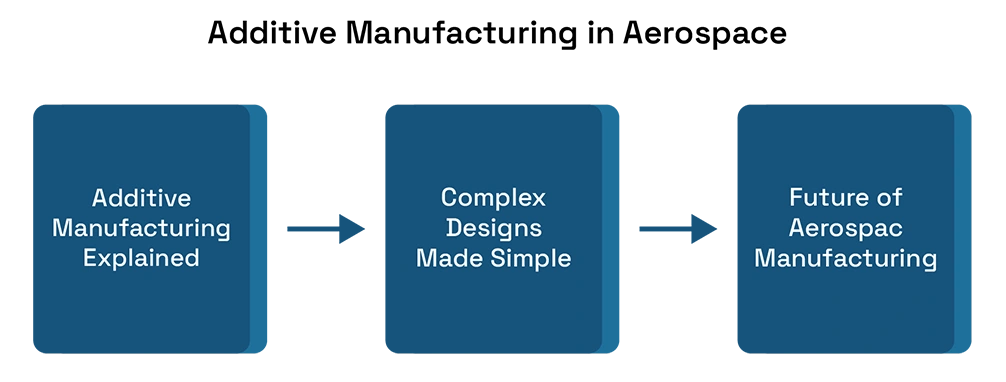
Additive Manufacturing in Aerospace
Additive manufacturing is the process of making components layer by layer using digital design data. This technology is mainly used for making lightweight, strong parts such as brackets, engine components, & cabin interiors.
This method helps minimize material waste & lowers overall production costs. It also makes it easier to create difficult designs that are not possible with traditional methods. Manufacturers can produce parts faster, especially when small quantities are needed. Companies can improve usability & respond quickly to changing demands.
Benefits for Aircraft Parts Production
One of the main advantages of 3D printing is weight minimization. Lighter aircraft parts improve lower pollution, which is a main priority for the aviation industry. Additive manufacturing minimizes material waste compared to traditional machining processes.
Another main benefit is design flexibility. Engineers 7can create difficult geometries that were recently impossible to manufacture. This development makes stronger, more usable components with fewer assembly requirements.
Effect on International Supply Chains
Additive manufacturing is mainly changing international supply chains. Traditionally, aircraft parts were produced in centralized facilities & shipped worldwide. With 3D printing, production can be localized, minimizing the need for long-distance transportation & large inventories.
This shift supports faster delivery times & minimizes disruptions caused by geopolitical tensions, port congestion, or logistics delays. It also enables on-demand manufacturing, allowing companies to produce parts only when needed.
Trade Implications and Market Shifts
The development of additive manufacturing is changing the global trade environment. Countries that invest in advanced manufacturing technologies are gaining a complete edge in aerospace exports. Without exporting complete goods, companies may increasingly share digital design files & produce components closer to the point of use.
This is very useful for freight forwarding & warehousing services. Reduced shipment volumes for many components may lower transportation demand, while growing the need for specialized logistics solutions for high-value materials & 3D printing equipment.
Local Production
Additive manufacturing allows companies to produce parts closer to where they are needed. Instead of shipping components across long distances, production can happen near the final destination. This helps reduce transportation time, lowers shipping costs, and minimizes delays caused by global logistics issues.
Faster Delivery
3D printing helps reduce production time significantly. Since parts can be made quickly and do not require complex setup, companies can deliver products faster. This improves the overall speed of the supply chain and helps businesses meet urgent demands more efficiently.
On-Demand Production
With additive manufacturing, parts can be produced only when they are needed. This reduces the need to store large amounts of inventory. It also helps companies avoid overproduction and lowers storage and warehousing costs, making operations more efficient.
Growing Demand for Materials
As the use of 3D printing increases, there is a rising demand for specialized materials used in the process. These materials are often high-quality and designed for specific uses in aerospace. At the same time, there is also a growing need for advanced machines and equipment that support additive manufacturing.
Regulatory Challenges
Additive manufacturing handles regulatory challenges. Aviation authorities need strict certification for aircraft parts to ensure safety & reliability.
Ensuring consistent quality, traceability, & compliance across different regions remains a critical challenge for manufacturers & suppliers. Aircraft parts must follow very strict safety rules, which takes time. 3D printing machines & materials are expensive. Not all materials can be used in 3D printing. It can be hard to make every part the same. Companies need trained people to use this technology.
There are also challenges with scaling production for large quantities. Some companies still rely on traditional methods for mass production. Maintenance and repair of 3D printing machines can also increase costs. Data security is another concern, as digital design files can be misused or stolen. In some regions, a lack of proper infrastructure can slow down the adoption of this technology.
How Digital Manufacturing Supports Faster Aircraft Part Delivery
Digital manufacturing helps to improve the aircraft supply chain by making aircraft parts faster and more efficiently. Companies can use modern production technology to produce a parts based on digital models and reduce production time. This supports faster delivery and improves aviation logistics by reducing delays, reducing storage requirements, and helping companies in providing aircraft parts as needed.
It also allows companies to produce parts closer to their customers, reducing long-distance shipping. This makes the supply chain more flexible & helps businesses react quickly to fast requirements. Digital manufacturing is creating a simpler, faster, & more reliable way to handle aircraft part production & delivery.
Conclusion
The future of additive manufacturing in aerospace looks easy. As technology grows, more difficult & problematic components are expected to be produced using 3D printing. With AI, automation, & digital supply chain platforms will further improve usability & scalability.
Manufacturing could lead to a more decentralized global trade model, where production is divided across many locations. This will define traditional logistics strategies & create new opportunities for businesses involved in international trade.
Did you know?
International Air Transport Association (IATA), which suggests that supply chain challenges will have cost the industry more than $11 billion in 2025.
FAQ
1. What is additive manufacturing in aircraft parts?
Additive manufacturing, or 3D printing, is a way of making aircraft parts by building them layer by layer using digital designs. It helps create strong and lightweight parts.
2. Why is 3D printing used in the aerospace industry?
It is used because it reduces weight, saves time, lowers material waste, and allows better part designs compared to traditional methods.
3. How does 3D printing affect global trade?
3D printing allows parts to be made closer to where they are needed. This reduces the need to ship parts across countries and changes how global trade works.
4. What are the main benefits of 3D-printed aircraft parts?
The main benefits include faster production, lower costs, lighter parts, and the ability to create complex designs.
5. What challenges does additive manufacturing face in aerospace?
It faces challenges like strict safety rules, high costs, limited materials, and the need for skilled workers.