
Overview
The Red Sea is a vital 1,200-mile-long inland sea, separating Africa and Asia, connected to the Mediterranean via the Suez Canal and the Indian Ocean via the Bab el-Mandeb strait. It is known for its high salinity, deep trenches, extensive coral reefs, and strategic maritime trade importance. Bordered by Egypt, Saudi Arabia, Sudan, Eritrea, Yemen, and Djibouti.
The interference in the distribution of import and export in the Red Sea has been driven by geopolitical tensions, security risks for commercial vessels, and rerouting of cargo through navigational routes such as around the Cape of Good Hope. Therefore, the cost of freight costs, delivery timelines, and regulatory procedures have become more complicated and compromised.
The companies which are involved in international trade, must understand the effects of the disruptions is crucial and important. Businesses which work in industries such as IT infrastructure, aviation components, medical equipment, and automotive manufacturing are affected majorly because their operations rely heavily on timely global shipments. In this environment, proper logistics planning and compliance with international shipping rules have become more important than ever.
Five Major Customs and Regulations Changes for Red Sea Shipping Disruptions 2026
- Increased Cargo Screening and Documentation Requirements
Due to security issues in the Red Sea region, authorities around the world have implemented stricter cargo inspection procedures. Importers and exporters should provide more detailed documentation during the customs clearance process to make sure shipments meet safety and compliance standards.
- Revised Tariff Classifications and Product Identification
With cargo being shipped through alternative ports, classification of products using HS code systems has become essential. Incorrect classification may cause delays or additional duties when shipment arrives at different customs jurisdictions.
- Greater Reliance on Compliance Technology
It has become necessary for companies managing multiple international shipments to adopt digital compliance tools. Many businesses are now checking the best trade compliance software for import export rules to make sure documentation accuracy and faster regulatory approvals.
- Expanded Role of Third-Party Trade Specialists
With growing complications in documentation and compliance protocols, businesses are relying on Importer of record service and exporter of record services to manage their shipments while maintaining correspondence with local laws.
- Stronger Monitoring of Preferential Trade Programs
Programs such as the generalized system of preferences (GSP) are being observed more carefully by customs authorities. Major key players in the industry must ensure that shipments qualify for these benefits and meet the proper documentation standards.
What Has Changed in 2026 and Why It Is Relevant to Global Logistics
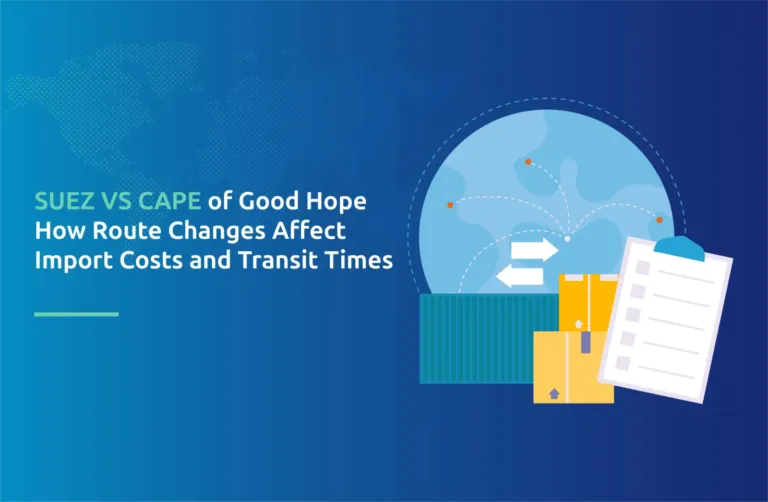
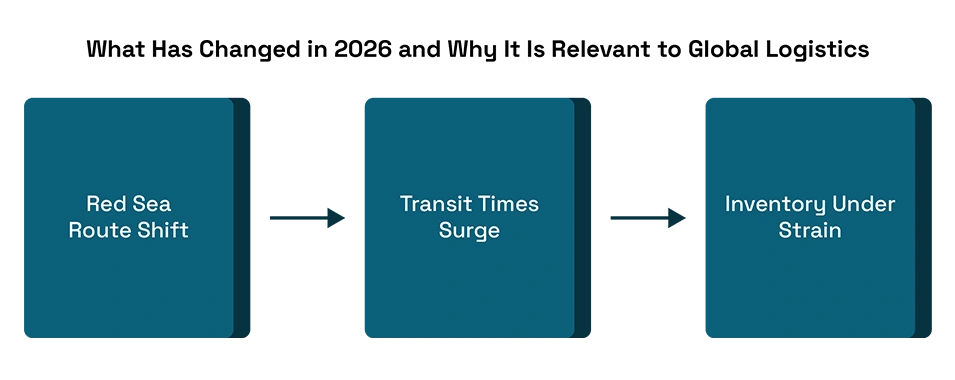
The unsettling nature in the Red Sea has majorly reshaped the way global supply chains operate. One of the major changes is the movement in shipping routes. Majority of the shipments which have previously passed through the Suez Canal are now moving towards the longer routes around southern Africa, increasing transit times and freight costs.
This movement has forced businesses to reshape the strategy of supply chain optimization. Longer shipping routes mean businesses should plan inventory levels more needfully to avoid stock shortages or production delays. This is important for industries like IT hardware and aviation components, where supply disruptions can halt entire operations.
Similarly other major factors that are changing are the growing importance of accurate trade documentation. Proper classification using HS code systems and correct tariff identification through the HTS harmonized tariff Schedule helps to manage customs delays when shipments pass through multiple countries during rerouting.
Businesses should understand international shipping terms such as Incoterms, which define responsibilities between buyers and sellers. For example, delivery terms like DAP or DAPs require clarity about who is responsible for duties, taxes, and transport risks during shipment.
Additionally, organizations which are involved in international shipping often ask operational questions such as whether a freight forwarder can act as an exporter of record. In some specific cases, the answer may depend on local regulations and contractual agreements between trading partners.
EU Customs Reform 2026: What Forwarders Must Prepare in Logistics
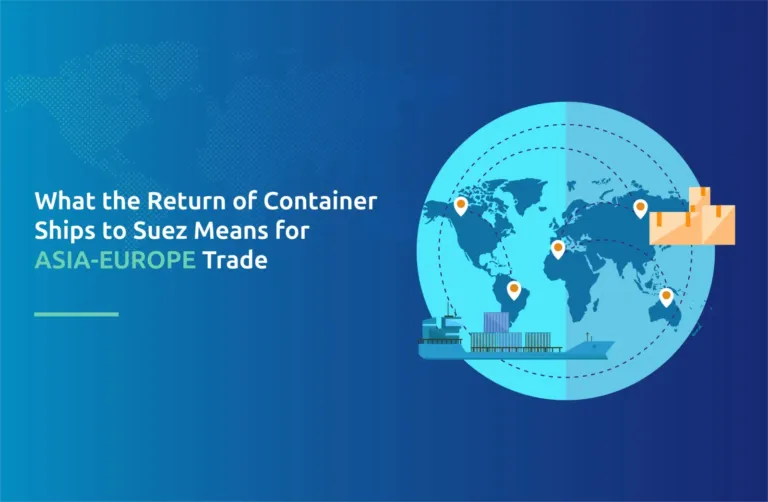
The European Union introduced significant customs reforms in 2026 to target modernizing trade processes and strengthening security across countries. These reforms are mostly important for logistics providers and freight forwarders who operate in between Asia and Europe through the Red Sea corridor.
Another important aspect that involves the adoption of more centralized digital customs systems across EU member states. These systems are taken into consideration to simplify documentation requirements while increasing transparency and traceability of shipments. However, they also require companies to make sure that their internal processes, including inventory and order management systems, are aligned with EU data standards.
Similarly, another area which is also important is compliance accountability. Customs authorities are having more responsibility on businesses to make sure that trade documentation is accurate and complete. This has raised questions about operational roles within the shipping ecosystem, including whether a customs broker can handle both import and export documentation for international shipments.
For businesses shipping aviation equipment, medical devices, automotive components, or data center infrastructure into Europe, adjusting to these changes requires proactive compliance planning and strong communication with logistics partners offering international freight services.

Conclusion
The Red Sea shipping disruptions in 2026 have highlighted how vulnerable global trade networks can be to geopolitical and logistical challenges. As shipping routes shift and customs requirements become more complex, companies must adapt quickly to maintain stable supply chains.
Businesses that operate across global markets—especially in technology, aviation, medical equipment, and automotive sectors—must prioritize compliance, accurate documentation, and strategic logistics planning. By adopting advanced supply chain strategies and working with experienced trade partners, companies can reduce risks and continue operating efficiently despite ongoing disruptions in one of the world’s most important maritime trade routes.
Did You Know
“Commercial shipping in the Red Sea has been significantly disrupted by attacks from Houthi rebels operating out of Yemen.”
FAQs
- Why are Red Sea shipping disruptions affecting global trade in 2026?
Red Sea shipping disruptions are affecting global trade because this route connects major markets in Asia, Europe, and Africa through the Suez Canal. Security concerns and geopolitical tensions have forced many shipping companies to reroute vessels, increasing transit times, transportation costs, and operational complexities for international shipments. - How are longer shipping routes impacting supply chains?
When vessels avoid the Red Sea and travel around the Cape of Good Hope, shipping times can increase by several days or even weeks - What role does customs compliance play during shipping disruptions?
Proper documentation, accurate product classification using HS code systems, and smooth customs clearance processes help prevent costly delays. - How are logistics companies adapting to Red Sea trade challenges?
Logistics providers are responding by adjusting shipping routes, improving risk management strategies, and using digital systems for better visibility across shipments. Many businesses are also partnering with specialists that provide Importer of record Service, exporter of record services, and international freight services to maintain compliance and operational efficiency. - Which industries are most affected by Red Sea shipping disruptions?
Industries that rely on time-sensitive international shipments are most affected. This includes sectors such as IT infrastructure and data center equipment, aviation components, medical equipment, and the automotive industry, where delays can impact manufacturing schedules and global distribution networks.